Wellhead tools are critical equipment in oil well operations, and their quality is directly linked to construction safety, operational efficiency, and overall cost control. However, in real procurement scenarios, the market is filled with numerous brands, varying specifications, and large price gaps. Many companies end up purchasing substandard or incompatible wellhead tools due to limited technical knowledge, resulting in project delays, equipment failures, or even safety accidents. To help procurement teams, construction units, and supply chain managers reduce risks, this guide provides practical selection strategies based on brand qualification, material inspection, certification, after-sales service, and more.
Choose Qualified and Reputable Manufacturers
The first step to avoiding substandard wellhead tools is selecting manufacturers with valid production qualifications, industry certifications, and regulatory compliance. Reputable manufacturers strictly follow industry standards such as API (American Petroleum Institute) and ISO quality management systems. The stronger the manufacturer’s capabilities, the more reliable the tool’s durability and performance. When evaluating suppliers, check whether they have professional production equipment, machining workshops, and testing facilities, and review their past project experience. Avoid sourcing from unlicensed small workshops that cannot guarantee quality.
Match Products to Your Operational Conditions
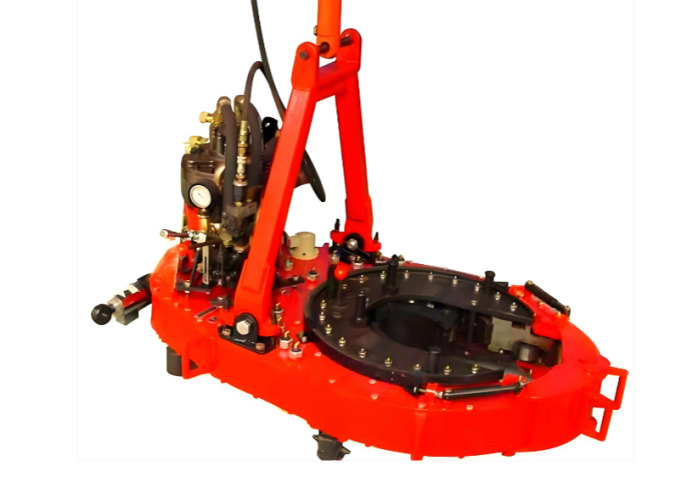
Wellhead tools come in many forms—slips, elevators, centralizers, connectors, tongs, and more. Each type must match specific operational conditions such as well depth, pressure, temperature, and casing size. Choosing solely based on price while overlooking these parameters can easily result in mismatched or underperforming tools. Before purchasing, prepare a detailed wellhead parameter sheet and communicate clearly with the manufacturer to confirm the appropriate model. Ensuring consistency in size, material grade, and load capacity is essential for safe and efficient operations.
Inspect Material Quality and Manufacturing Processes
Wellhead tools must withstand extreme tension, torque, impact, and corrosive environments. Therefore, materials and manufacturing processes determine their safety and service life. Qualified tools typically use high-strength alloy steel, advanced heat-treatment processes, and precision machining to improve durability and toughness. When purchasing, review material certificates, machining records, heat-treatment data, and inspect tool surfaces for cracks, pores, burrs, or poor welding. Any manufacturing defect may lead to failure during high-load operations.
Check Third-Party Testing and Compliance Certifications
To ensure compliance with industry standards, always request third-party inspection reports such as chemical composition tests, dimensional accuracy tests, load tests, and pressure tests. Reliable manufacturers provide complete testing documentation and can support additional factory tests when needed. Besides testing, confirm that the tools comply with API, GB, or internal enterprise standards. Tools lacking certifications or testing records represent major safety hazards and should be avoided.
Avoid Products Priced Suspiciously Low
In wellhead tool procurement, “ultra-low prices” are one of the biggest red flags. Extremely low prices often indicate substandard materials, reduced manufacturing steps, lack of testing, or the use of inferior components. For tools designed to endure extreme loads, low-cost options often come with high safety risks. Evaluate multiple suppliers by comparing materials, craftsmanship, and certification rather than relying solely on price. Reasonable pricing typically reflects the product’s real quality.
Choose Suppliers with Technical Support and After-Sales Service
High-quality wellhead tools come with professional after-sales and technical support, including installation guidance, operation training, and repair or replacement services. If issues arise during use, technical staff can intervene promptly to prevent damage caused by improper handling. Suppliers who provide strong after-sales services usually maintain higher quality control and offer better long-term value to customers.
Conclusion: A Structured Procurement Process Ensures Reliable Wellhead Tools
Wellhead tool procurement directly affects operational safety, and any substandard product can lead to serious consequences. By selecting qualified manufacturers, verifying materials and craftsmanship, emphasizing testing and certifications, matching models to operating conditions, and ensuring technical support, companies can significantly reduce procurement risks. A standardized procurement process ensures safe, reliable, and efficient wellhead operations every time.