In oilfield operations, high-sulfur wells (H₂S wells) are among the most challenging environments due to their strong corrosiveness, high risks, and elevated safety requirements. Hydrogen sulfide not only accelerates metal fatigue and causes sulfide stress cracking (SSC), but can also result in sudden brittle failure when tools are under load. Therefore, selecting appropriate wellhead tools for H₂S wells requires strict attention to materials, structural design, safety ratings, and compliance with industry standards. Improper selection may lead to premature tool failure and significant safety hazards. This article provides a professional analysis of material choices and structural design considerations for wellhead tools used in high-sulfur environments.
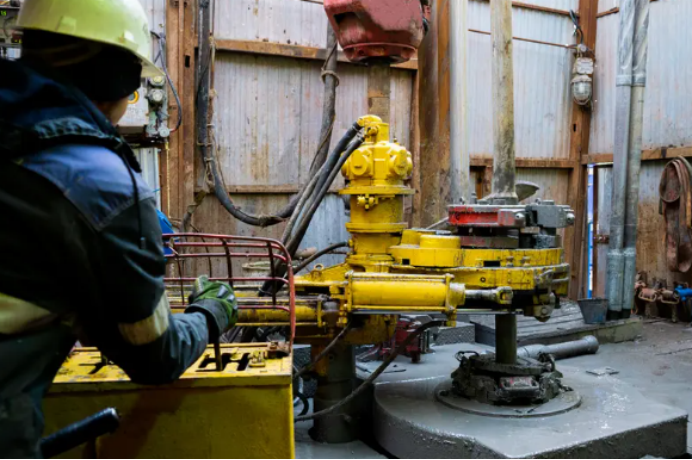
1. Harsh H₂S Conditions Require Stricter Tool Selection
High-sulfur wells contain H₂S, CO₂, brine, and other corrosive media, often combined with high temperature and high pressure. Tools must resist corrosion, stress, and temperature fluctuations simultaneously, meaning they must meet anti-sulfide standards.
Using conventional wellhead tools in H₂S environments greatly increases risks of SSC (Sulfide Stress Cracking) and HIC (Hydrogen-Induced Cracking). These failures can occur unexpectedly—even under normal pressure conditions—which is one of the most dangerous aspects of H₂S operations.
2. Material Selection Is the Core: Compliance with NACE Standards Is Essential
Material selection is the most critical factor when choosing tools for H₂S wells. All metals must comply with anti-sulfide standards such as NACE MR0175/ISO 15156. These materials are designed for high toughness, exceptional corrosion resistance, and reliable H₂S tolerance.
Common anti-sulfide materials include:
Low-Strength Sulfide-Resistant Steel
Although its yield strength is lower, it offers high ductility and reduced brittleness, making it a widely used choice.
Nickel-Based Alloys or Nickel-Enriched Alloy Steel
These materials provide superior resistance to sulfide corrosion and are suitable for high-pressure and high-temperature wells.
Stainless Steel and High-Chromium Alloys
Ideal for environments with both H₂S and CO₂, though care must be taken to avoid cracking under high stress.
In H₂S environments, “stronger” materials are not always better—the key is achieving a balance between strength and sulfide-resistant toughness.
3. Structural Design Must Include Enhanced Safety Margins
Wellhead tools in high-sulfur wells must withstand corrosion, heavy loads, and repeated cycles of stress. This requires increased safety margins in structural design.
Important design considerations include:
Thicker Load-Bearing Structures
Slips, elevators, connectors, and other heavy-load tools often require reinforced wall thickness to prevent cracking.
Avoiding Sharp Corners and Stress Concentration Zones
Reducing stress concentration is essential, as H₂S environments make these areas more prone to cracking.
Reinforced Thread Structures
Threads are common failure points; H₂S well tools use enhanced thread geometries with stronger root radii to reduce crack initiation.
Surface Treatment Enhancements
Nickel plating, phosphating, and corrosion-resistant coatings help significantly extend tool lifespan.
The goal is to reduce brittle failure risks and ensure tool stability in extreme downhole environments.
4. Sealing Materials Must Be Designed for H₂S Resistance
Hydrogen sulfide not only corrodes metals but also degrades rubber components. Therefore, sealing elements such as O-rings, packers, and gaskets must use H₂S-resistant elastomers.
Common H₂S-resistant materials include:
HNBR (Hydrogenated Nitrile Rubber)
FKM (Fluoroelastomer)
AFLAS (Advanced Alkyl Fluorinated Rubber)
These elastomers provide excellent resistance to heat, acid, and hydrogen sulfide, ensuring long-term sealing reliability.
5. Choose Suppliers Certified for H₂S-Resistant Tools
High-sulfur wells require manufacturers with:
Certified anti-sulfide materials
NACE MR0175/ISO 15156 compliance
Pressure, corrosion, and fatigue testing documentation
Specialized production processes for H₂S tools
Working with experienced suppliers significantly reduces operational risk and tool failure rates.
Conclusion: Choosing Tools for H₂S Wells Requires More Than High Strength—H₂S Resistance Is Critical
Selecting wellhead tools for high-sulfur wells requires comprehensive evaluation of materials, structure, sealing elements, and manufacturing standards. Anti-sulfide materials, optimized design, and reliable certification determine whether tools can operate safely in extreme conditions.
For operators working with high-sulfur wells, choosing professional H₂S-resistant wellhead tools is not only a safety requirement but also a cost-effective investment. Proper tool selection is essential for protecting both personnel and wellsite operations.