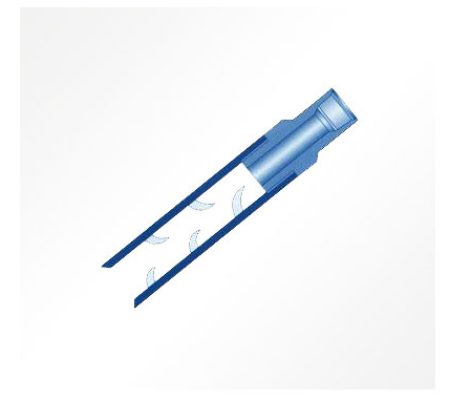
In oil well fishing operations, the inner hook operates under high load and high wear conditions for extended periods, directly impacting operational safety and efficiency. Continued use of a degraded inner hook can lead to failure at critical points, increasing operational risks. Therefore, accurately determining whether the inner hook needs replacement is crucial for optimizing downhole tool solutions and ensuring smooth operations.

Structural and Appearance Conditions are Key Basis for Replacement Determination
After prolonged use, the inner hook’s surface and key structures gradually change due to repeated stress and the influence of downhole media. Significant wear, deformation, or cracks on the inner hook body indicate an impact on its load-bearing capacity. Rounding or erosion at the edges of the engagement point also reduces the stability of the engagement with the target object.
Simultaneously, loose or damaged threads or mating structures at the inner hook connection point often indicate a decrease in overall strength. Continued use in this condition may affect force transmission during fishing and necessitates timely replacement assessment.
Changes in Operational Performance Reflect the Actual Performance of the Inner Hook
Under normal circumstances, the inner hook should run smoothly during deployment and engagement. Difficulties in engagement, uneven force distribution, or decreased stability during pull-out often indicate a decline in the inner hook’s performance. While these issues may not be accompanied by obvious external damage, they already impact operational efficiency.
If the inner hook fails to maintain its original gripping effect after multiple operations, it suggests that its internal structure or key dimensions may have changed. Incorporating operational feedback into the judgment criteria helps to more comprehensively assess whether the inner hook needs replacement, avoiding risks during critical construction phases.
Maintenance Cycle and Solution Matching Determine Replacement Timing
Whether to replace the inner hook should also be determined in conjunction with the established maintenance cycle and the overall downhole tool plan. Under high-frequency use or complex well conditions, the inner hook’s wear rate will significantly accelerate; reasonably shortening the replacement cycle helps ensure operational continuity.
Establishing a standardized detection and evaluation mechanism within the tool plan allows for the early detection of potential problems, providing a basis for replacement decisions. This proactive management approach helps reduce unexpected situations and improves the overall controllability of the operation.
Conclusion
Whether the internal hook needs replacement cannot be determined based on a single symptom, but should be assessed comprehensively considering its structural condition, operational performance, and maintenance cycle. Integrating this judgment process into a systematic downhole tool solution and collaborating with a professional tool service team will help improve the safety and efficiency of retrieval operations, providing more stable and reliable technical support for downhole construction.