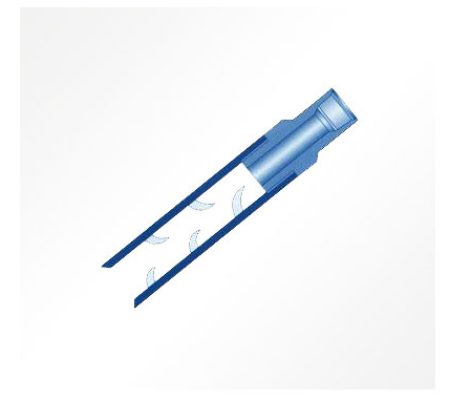
In downhole oil well fishing operations, the internal hook is a key tool, and its operational status directly affects operational efficiency and safety. The complex downhole environment and variable stress conditions inevitably lead to various degrees of malfunctions during use. Understanding common problems and corresponding solutions in advance helps control risks within a predictable range and is an important part of improving downhole tool solutions.
Operational Problems Caused by Unstable Internal Hook Connection
Loose connection or force misalignment of the internal hook during operation often affects the continuity of the pulling process. These problems are often related to wear on key parts of the internal hook or a decrease in dimensional fit. When the connection point cannot provide effective support, slippage or repeated attempts are likely to occur.
To address this issue, the condition of the internal hook should be checked before operation, paying attention to the integrity and sharpness of the connection structure. Simultaneously, during the design phase of the downhole tool solution, appropriately matching the internal hook model with the characteristics of the target object in the well helps reduce the probability of such malfunctions.
Operational Hazards Caused by Abnormal Stress on the Inner Hook
Under complex well conditions, the inner hook may experience uneven stress and increased deformation, thus affecting the overall retrieval effect. This usually manifests as abnormal pull-out resistance or unstable operational feedback. If not adjusted in time, it may increase the risk of tool damage.
Addressing such issues requires a comprehensive judgment based on downhole parameters and operational rhythm. Optimizing the tool combination configuration to ensure the inner hook shares stress with other downhole tools can effectively improve the stress state. This is also a key aspect emphasized in mature oil well tool solutions.
Restricted Inner Hook Movement Affecting Construction Progress
If the inner hook experiences difficulties in lowering or sluggish movement during use, it is often related to downhole deposits or tool matching accuracy. While these faults may not directly lead to operation failure, they significantly prolong the construction cycle.
The solution should start with tool condition maintenance and process management to ensure the inner hook is in good working condition before being lowered into the well. Simultaneously, optimizing operational procedures and specifications will make the inner hook operate more smoothly downhole, ensuring a smoother overall construction rhythm.
Conclusion
Faults occurring during the use of the internal hook are often closely related to tool condition, operating conditions, and system configuration. Identifying common problems systematically and implementing targeted solutions can effectively improve the stability of retrieval operations. Integrating internal hook management into a comprehensive downhole tool solution and collaborating with a professional tool service team helps reduce construction risks, improve overall operational efficiency, and provide reliable support for the smooth progress of downhole engineering.