In oil and gas drilling and completion operations, wellhead tools play a critical role in connecting downhole tubulars, sealing pressure, and transmitting loads. Among all structural elements, the choice of thread standard directly affects the safety, sealing performance, and interchangeability of wellhead tools. Different thread standards vary significantly in structure, load capacity, and applicable operating conditions. Improper selection or use can easily lead to leakage, thread galling, or even wellhead failure. This article provides a systematic analysis of how different thread standards impact wellhead tools.
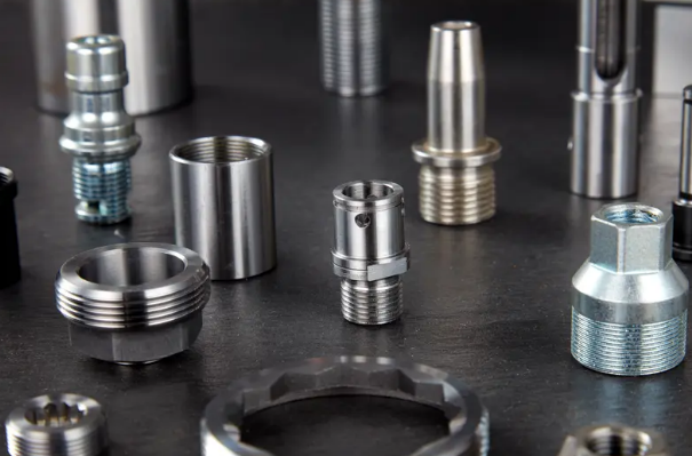
The Importance of Threads in Wellhead Tools
Threads are the primary means of connection and fixation in wellhead tools, serving several key functions:
Transmitting axial tensile loads and torque to ensure overall string strength
Working in conjunction with sealing structures to withstand high internal pressure
Maintaining reliable performance after repeated make-up and break-out operations
Therefore, threads are not merely a connection method, but a core component of the load-bearing and sealing system of wellhead tools.
Overview of Common Thread Standards
The most common thread standards used in wellhead tools include API threads, premium threads, and certain regional or proprietary thread designs.
API threads are the most widely used due to their standardized specifications and good interchangeability, making them suitable for conventional operating conditions. However, under high-pressure, high-temperature, or corrosive environments, their sealing capability and fatigue resistance are relatively limited.
Premium threads are typically optimized in terms of thread profile, taper, and sealing surfaces. They offer superior gas-tight sealing performance as well as higher tensile and torque resistance, making them ideal for deep wells, ultra-deep wells, and complex well conditions.
Impact on Sealing Performance
Differences in thread standards are most evident in sealing mechanisms. Some threads rely on metal-to-metal sealing, while others require thread compounds or additional sealing elements. High-performance thread designs can effectively reduce micro-movement and wear, significantly lowering the risk of leakage.
If an inappropriate thread standard is selected for a wellhead tool, inadequate sealing contact may occur, leading to leakage under high-pressure fluctuations and, in severe cases, increasing the risk of well control incidents.
Impact on Load Capacity and Structural Strength
Thread standards differ in thread angle, pitch, and contact area, all of which directly affect the load-bearing capacity of wellhead tools. Premium threads generally provide a larger load contact area, allowing stress to be distributed more evenly and reducing stress concentration.
In operations involving frequent tripping or high loads, selecting the appropriate thread standard helps extend the service life of wellhead tools and minimizes the risk of thread failure.
Impact on Interchangeability and Operational Efficiency
Highly standardized thread designs improve interchangeability between wellhead tools from different manufacturers, reducing spare parts inventory and enhancing on-site operational efficiency. While non-standard or proprietary threads may offer better performance, they typically require dedicated matching components, increasing management and maintenance costs.
Practical Recommendations for Thread Selection
When selecting thread standards for wellhead tools, it is essential to consider well depth, pressure rating, temperature conditions, and operational frequency. For conventional wells, API threads can meet most requirements. For high-risk or complex well conditions, choosing high-performance thread standards can significantly improve operational safety and reliability.
Conclusion
Overall, different thread standards influence wellhead tools across multiple dimensions, including sealing performance, load capacity, service life, and operational efficiency. Only by selecting thread standards based on actual operating conditions can the full performance potential of wellhead tools be realized, ensuring safe and efficient oil and gas well operations.