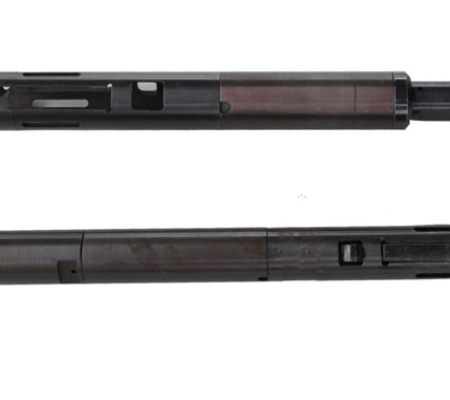
After cementing operations, the tool surface often has a large amount of cement slurry, drilling fluid residue, and impurities adhering to it. If cleaning is not timely or done improperly, it will not only affect the tool’s performance for reuse but may also accelerate corrosion and wear, shortening its service life. Establishing an efficient and standardized cleaning process is crucial for ensuring the stable condition of cementing tools.

Timely Treatment Helps Reduce Residue Solidification
After cementing operations, the cement slurry is still in a partially solidified state, making cleaning more efficient at this stage. If cleaning is delayed, the hardened residue will significantly increase the difficulty of removal and cause mechanical damage to the tool surface. Conducting cleaning operations immediately can effectively reduce labor intensity while protecting the original structural integrity of the tool.
Appropriate Cleaning Methods Improve Cleaning Efficiency
Cementing tools have complex structures, and different parts are suited to different cleaning methods. External surfaces can be flushed with high-pressure water to quickly remove adhering substances; internal channels require special attention to residual blockages to ensure unobstructed flow. Maintaining a stable water flow direction and pressure during cleaning helps avoid impact damage to sealing surfaces and connections.
Targeted Treatment to Prevent Hidden Residues
Some cement slurry or solid particles can easily remain in threads, sealing grooves, and corner areas. If these areas are not thoroughly cleaned, they may cause jamming or seal failure during subsequent use. Manual cleaning and detailed inspection can effectively identify hidden residues, ensuring the overall condition of the tool meets the requirements for re-running.
Cleaning Process Combined with Inspection and Maintenance
Cleaning is not only a process of removing deposits, but also a crucial step in identifying potential problems. Simultaneously observing the tool surface for scratches, deformation, or wear during cleaning helps in timely maintenance or replacement. Combining cleaning with condition inspection significantly improves the efficiency and safety of tool management.
Standardized Storage to Ensure Continued Cleaning Results
After cleaning, cementing tools should be dried promptly and placed in a well-ventilated, dry environment. Proper storage can prevent corrosion caused by residual moisture and maintain the good condition of the tool surface. Standardized storage is also an important guarantee for maintaining the long-term effectiveness of rapid cleaning.
Efficient Cleaning is a Key Aspect of Cementing Tool Management
Rapid cleaning of cementing tools after operation directly affects the stability and service life of the tools. Timely handling, proper cleaning, attention to detail, and standardized storage can effectively reduce the risks of subsequent operations. Establishing a comprehensive cleaning and maintenance process not only helps improve cementing operation efficiency but also provides a solid guarantee for the continuous and safe operation of downhole construction.