During the full lifecycle of oil and gas wells, wellhead tools are subjected to repeated pressure fluctuations, making them typical high-pressure cycling equipment. Compared with short-term static loading, repeated pressurization and depressurization are more likely to cause material fatigue and structural degradation. Understanding the impact of long-term high-pressure cycling on wellhead tools is crucial for ensuring safety and extending service life.
I. Formation and Characteristics of High-Pressure Cycling
High-pressure cycling typically arises from wellhead operations, injection and production switching, pressure testing, and blowdown procedures. The pressure changes are not one-time events but repeat within a certain range. This cyclical state subjects the wellhead tools to alternating and sustained stresses, which damage the equipment differently from single overpressure events.
The key feature of high-pressure cycling is the high frequency and long duration of load changes. Even if individual pressure variations do not exceed design limits, cumulative damage can occur over time.
II. Fatigue Accumulation in Metal Structures
The main structure of wellhead tools is usually made of high-strength alloy steel. Under high-pressure cycling, localized stress concentrations develop within the material. Repeated loading gradually initiates fatigue cracks in these regions.
As the number of cycles increases, cracks propagate, reducing the effective cross-sectional area and ultimately leading to sudden structural failure. Early-stage fatigue damage is often subtle and difficult to detect through visual inspection alone.
III. Performance Changes in Sealing Systems
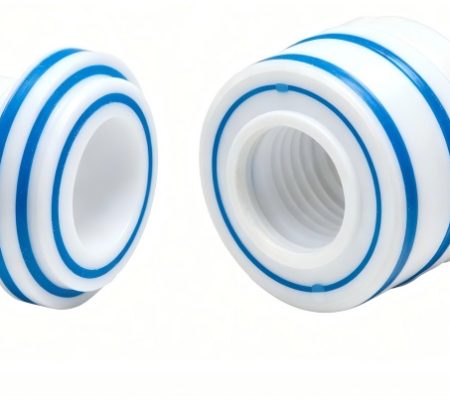
In addition to metal structures, the sealing system of wellhead tools is also affected by high-pressure cycling. Seals experience repeated compression and release, leading to elastic degradation, permanent deformation, or wear.
A decline in sealing performance may result in micro-leakage. Under high-pressure conditions, these leaks accelerate seal aging, creating a feedback loop that shortens the effective service life of the wellhead tool.
IV. Fatigue and Loosening Risks at Connection Points
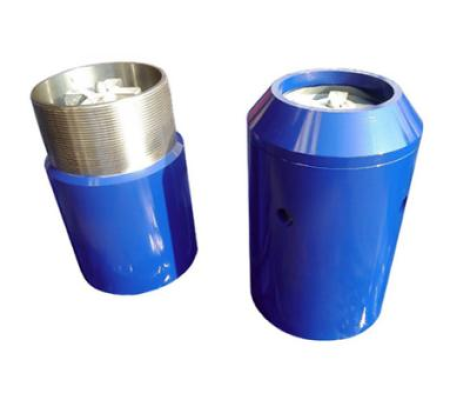
Wellhead tools are typically assembled from multiple components connected by threads or flanges. High-pressure cycling repeatedly loads these connections, causing pre-tightening forces to gradually weaken.
Even slight loosening changes the local stress distribution, accelerating fatigue damage and increasing the risk of structural failure. Connection areas are therefore critical risk points under cyclical high-pressure conditions.
V. Overall Impact on Fatigue Life
Fatigue life is influenced by multiple factors, including pressure amplitude, number of cycles, material properties, and structural design. Long-term high-pressure cycling significantly shortens the safe service life of wellhead tools, often reducing their practical lifespan below the theoretical design value.
Without proper assessment and management of cyclic loads, wellhead tools may degrade before reaching their intended service life, compromising production continuity and safety.
VI. Mitigation Strategies
Addressing fatigue from long-term high-pressure cycling requires a multi-faceted approach involving design, operation, and maintenance. Controlling operational frequency and avoiding unnecessary cycles can reduce cumulative damage.
Regular inspection and condition monitoring help identify early signs of fatigue, allowing preventative measures to extend the overall service life of the wellhead tool.
Conclusion
Long-term high-pressure cycling affects wellhead tools by inducing metal fatigue, degrading seal performance, and weakening connections. These effects develop gradually but can result in sudden failures. Understanding the relationship between cyclic loading and fatigue life allows operators to anticipate risks, implement preventive measures, and ensure safe and stable well operation.