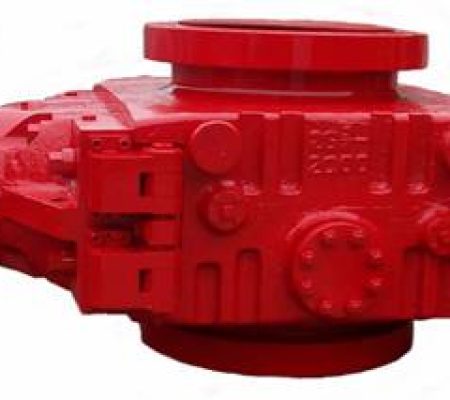
Wellhead tools are critical components in oil and gas operations, directly affecting the safety and efficiency of wellhead activities. With the development of the domestic oil and gas industry, both imported and domestic wellhead tools are available in the market. Many companies face the dilemma of choosing between them: what exactly are the differences between imported and domestic wellhead tools? This article analyzes their differences in terms of performance, quality, cost, and technical support, providing guidance for equipment selection.
1. Performance and Quality Differences
Imported wellhead tools are typically manufactured with advanced technology and high-quality materials, offering high precision, excellent pressure resistance, wear resistance, and corrosion resistance. In complex well conditions and high-pressure environments, imported tools provide more stable reliability, making them ideal for ultra-deep wells, high-temperature high-pressure wells, and other demanding scenarios.
Domestic wellhead tools have developed rapidly in recent years, and some high-end products can meet the requirements of conventional oil and gas wells. They perform reliably under standard well conditions, with improving manufacturing technology gradually narrowing the gap with imported products. However, under extreme conditions, domestic tools may still lag slightly in precision and durability.
2. Cost and Cost-Effectiveness
Imported wellhead tools generally have higher prices, longer delivery cycles, and more expensive spare parts. However, their high reliability and long service life can reduce production risks caused by equipment failure. For high-pressure and high-risk operations, imported tools’ performance and safety advantages are particularly evident.
Domestic wellhead tools are more cost-effective, with shorter procurement and transportation cycles and lower maintenance costs. For conventional or medium- and low-pressure wells, domestic tools offer clear advantages in terms of cost-efficiency. Companies can select tools based on operational needs and budget, balancing safety and economics.
3. Technical Support and After-Sales Service
Imported wellhead tool brands usually provide a global technical standard and service system, including operation training, maintenance guidance, and rapid spare part supply, ensuring smooth wellhead operations. Users benefit from mature manuals and comprehensive technical support.
Domestic wellhead tool manufacturers have natural advantages in local service, offering fast response and teams familiar with domestic operating environments. As domestic brands improve, after-sales service and training systems are increasingly comprehensive, providing reliable support for companies.
4. Application Recommendations
High-risk, challenging wells: Imported wellhead tools are recommended for their reliability and durability.
Conventional or medium/low-pressure wells: Domestic tools can meet safety requirements while controlling costs.
Balancing long-term investment and efficiency: A combination of imported and domestic tools can be used, deploying imported tools in critical sections and domestic tools elsewhere, optimizing costs and managing risk.
Conclusion
Imported and domestic wellhead tools each have advantages in performance, quality, cost, and technical service. Imported tools are suitable for extreme conditions and high safety requirements, while domestic tools offer high cost-effectiveness and localized support for standard operations. Companies should comprehensively assess well conditions, operational requirements, budget, and maintenance capabilities to achieve safe, reliable, and efficient oil and gas operations.