In deep oil and gas exploration and high-pressure gas well development, wellhead pressures often exceed 100 MPa. The high temperature, high pressure, and corrosive substances carried by formation fluids pose severe challenges to the blowout preventer (BOP) control system. As the core barrier for well control safety, the BOP control system needs to build a reliable protection system adapted to high-pressure conditions through collaborative innovation in materials, structure optimization, and intelligent control technologies. From hydraulic drive to sealing design, from real-time monitoring to emergency response, every technological breakthrough redefines well control safety standards under high-pressure environments.

Under high-pressure conditions, the hydraulic drive unit of the BOP control system needs to have stronger pressure bearing capacity and precise control capabilities. Traditional hydraulic systems mostly adopt a 21 MPa pressure standard, while high-pressure well control scenarios require system pressures to be increased to 35 MPa or even higher. A new high-pressure control system achieves a continuous working pressure of 42 MPa by using high-strength alloy steel hydraulic cylinders and a two-stage booster pump set. Its core component—the high-pressure accumulator group—uses carbon fiber wound composite material cylinders instead of traditional steel cylinders, reducing weight by 40% while increasing pressure resistance to 105 MPa. This design not only meets the operational requirements of deep and ultra-deep wells, but also ensures, through redundant configuration (typically equipped with 3 accumulators), that at least two full-sealing gate closure operations can still be completed even if a single accumulator fails. In a field test at a high-pressure gas well, when the wellhead pressure suddenly surged to 85 MPa, the system completed the coordinated closure of the annular blowout preventer and the gate blowout preventer in just 2.3 seconds, successfully sealing off the high-pressure gas flow.
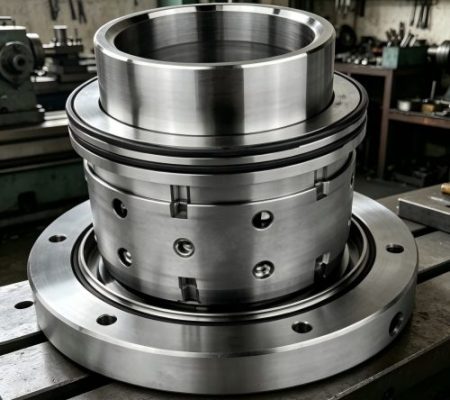
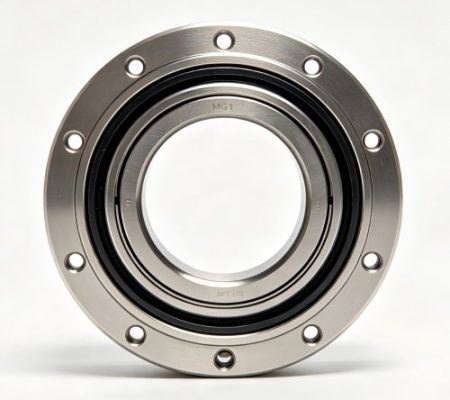
The sealing structure is another key technology under high-pressure conditions. Traditional rubber seals are prone to creep and tearing under high pressure, leading to hydraulic oil leakage or wellhead seal failure. Modern high-pressure blowout preventer control systems employ a dual protection design of metal seals and composite seals: the main sealing ring is forged from a nickel-based alloy, with a 0.2 mm thick hard coating formed by laser cladding, which can resist frictional wear under 120 MPa pressure; the auxiliary seal uses a fluororubber and polytetrafluoroethylene composite material, maintaining a constant contact pressure through a spring preload mechanism, ensuring seal integrity even during pressure fluctuations. Sealing test data for a certain type of high-pressure gate blowout preventer (BOP) showed that after 72 hours of continuous operation at 105 MPa pressure and 150℃, the hydraulic oil leakage rate remained below 0.5 mL/min, far exceeding industry standards.
Intelligent monitoring and adaptive control technology provides dual protection for safe operation under high-pressure conditions. The system’s built-in distributed sensor network can collect more than 20 parameters in real time, including wellhead pressure, hydraulic oil temperature, and gate position, and analyze the data through an edge computing module. When an abnormal pressure increase is detected, the system immediately activates a three-level response mechanism: in the initial stage, it balances the wellhead pressure by adjusting the pressure reducing valve; in the intermediate stage, it automatically starts the backup pump group to increase hydraulic supply; and in the final stage, it directly drives the BOP to close while sending an alarm to the remote control center. An application case on a deep-sea drilling platform shows that when the wellhead pressure suddenly increased to 92 MPa, the system not only completed the BOP closure within 2.1 seconds but also precisely adjusted the control pressure of the annular BOP to 12 MPa through intelligent pressure regulation, preventing equipment damage due to excessive pressure.
From the “power support” of hydraulic drive to the “detail protection” of sealing structures, and then to the “precise decision-making” of intelligent control, the blowout preventer (BOP) control system’s strategies for coping with high-pressure conditions reflect the depth and precision of technological integration. Advances in materials science enable the equipment to withstand extreme pressures, innovations in sealing technology ensure long-term operational reliability, and intelligent control endows the system with the ability to autonomously cope with risks. With the increasing demand for ultra-deep and high-pressure gas well development, future BOP control systems will evolve towards higher pressure levels (such as 140 MPa) and greater intelligence (such as AI predictive maintenance), continuously pushing the safety boundaries of high-pressure well control. In this battle against underground high pressure, technological innovation remains the core force safeguarding energy development security.