In oil and gas well operations, the well control system is the primary safeguard for operational safety and blowout prevention. Wellhead tools, as key components directly involved in pressure containment, sealing, and operational switching, play a critical role within the well control system. If wellhead tools are not properly matched to the well control system, operational efficiency may be compromised and safety risks significantly increased. Therefore, accurately determining compatibility is a crucial step in equipment selection and field management.
Whether the Pressure Rating Matches the Well Control System
The first criterion in assessing compatibility is whether the rated pressure of the wellhead tool fully meets or exceeds the design pressure of the well control system. Well control systems are designed based on formation pressure, well depth, and operational conditions. Wellhead tools must maintain structural integrity and sealing reliability at maximum working pressure. Marginal pressure matching may lead to potential failure under pressure fluctuations or unexpected conditions.
Ability of the Sealing Design to Meet Well Control Requirements
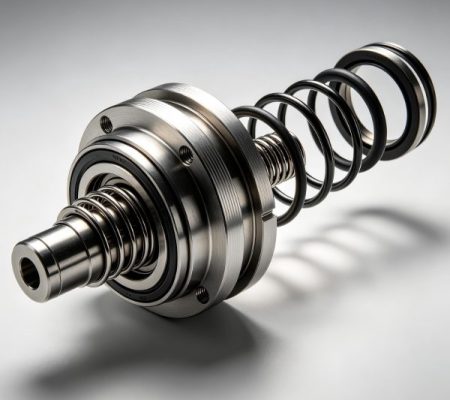
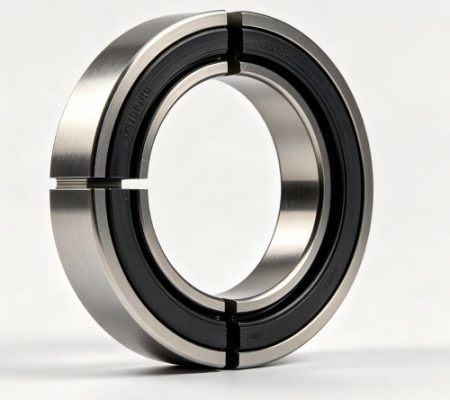
Well control systems demand significantly higher sealing performance than ordinary connection scenarios. When evaluating compatibility, attention should be given to the sealing configuration, sealing materials, and redundancy design. Multi-stage sealing structures and combinations of metal and elastomer seals are commonly used in high-reliability well control systems. If sealing performance degrades under repeated pressure cycles, temperature variations, or frequent operations, the tool may not be suitable for long-term well control service.
Interface Standards and System Compatibility
A well control system consists of blowout preventers, valves, manifolds, and control units, where interface standardization is essential for system integration. Determining compatibility requires verifying whether flange specifications, thread types, and connection dimensions of the wellhead tools align with existing well control equipment. Interface mismatches often lead to on-site modifications, increasing downtime and operational risk.
Alignment of Operating Methods with Well Control Procedures
Well control operations emphasize rapid response and controlled execution. The actuation method, operating torque, and response speed of wellhead tools directly affect overall system performance. Compatible wellhead tools should integrate smoothly into established well control procedures, whether manually operated, hydraulically actuated, or remotely controlled, ensuring seamless coordination with the control system.
Evaluation of Materials and Environmental Adaptability
Well control systems operate under diverse conditions, including high temperature, high H₂S content, corrosive environments, or deepwater applications. The material selection, corrosion protection measures, and surface treatments of wellhead tools must align with these operating environments. Insufficient resistance to corrosion or temperature may result in performance degradation over time, ultimately affecting the reliability of the entire well control system.
Conclusion
Determining whether wellhead tools are compatible with a well control system requires a comprehensive evaluation rather than reliance on a single parameter. By assessing pressure rating, sealing performance, interface compatibility, operational alignment, and environmental adaptability, operators can ensure that wellhead tools function in harmony with the well control system, providing long-term, stable safety assurance for oil and gas well operations.