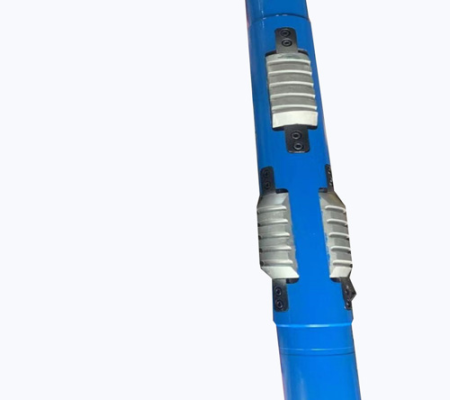
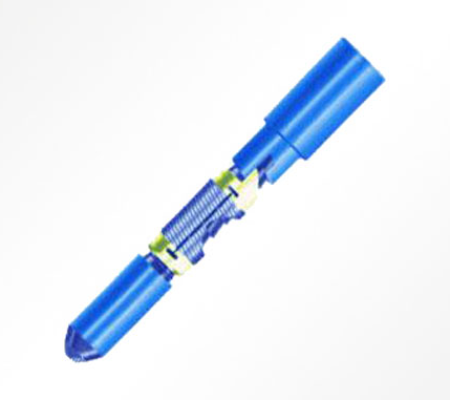
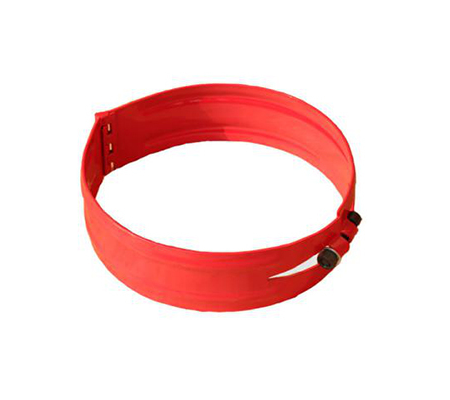
Cementing is a crucial step in downhole operations, and cementing tools are key equipment for successful cementing work. For many newcomers to downhole operations, the complex structure and technical terminology of cementing tools can be challenging to understand. However, understanding their basic functions and operational logic makes the working principle of cementing tools quite straightforward. By simplifying the explanation of their operation, even beginners can quickly grasp the core concepts.
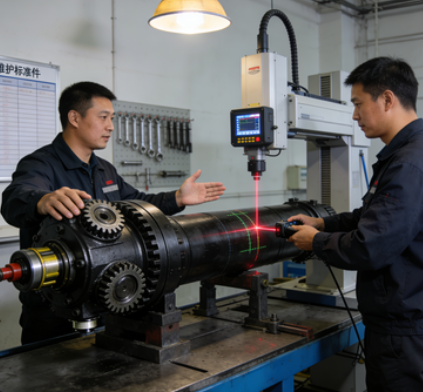
Basic Functions of Cementing Tools Downhole
The primary task of cementing tools is to work with cement slurry to form a stable sealing structure within the wellbore, ensuring a reliable connection between the wellbore and the casing. During the operation, cementing tools guide, isolate, and control the cement slurry, ensuring it reaches the designated location as designed.
When operating downhole, these tools function sequentially according to the construction process, using structural coordination to achieve the directional flow and effective distribution of the cement slurry, creating a stable foundation for subsequent operations.
Operating Logic and Coordination of Cementing Tools
From a working principle perspective, cementing tools do not operate independently but rather in conjunction with casing, cement slurry, and construction equipment. During the downhole process, the tool is in a ready state. As construction commands are executed, its internal structure changes accordingly, guiding the cement slurry to complete replacement and filling.
In this process, the tool relies on its own structural design to achieve sealing, isolation, or opening functions, completing predetermined actions without complex operations, making the cementing process smoother and reducing uncertainties during construction.
Why Cementing Tools Achieve Stable Cementing Results
The key to the stable cementing effect of cementing tools lies in their optimized structural design for the downhole environment. The tool maintains functional stability even under high pressure and complex conditions, preventing cement slurry cross-contamination through reasonable sealing methods.
Furthermore, after completing its task, the tool does not have any additional impact on the downhole structure, ensuring cementing quality while also meeting subsequent construction needs, making the entire downhole operation process more seamless.
Conclusion
The working principle of cementing tools is not difficult to understand. As long as one grasps their role downhole, operational logic, and structural characteristics, even beginners can develop a clear understanding. This intuitive approach not only helps deepen understanding of cementing operations but also lays a solid foundation for subsequent learning of downhole construction techniques, making cementing tools less unfamiliar and complex.