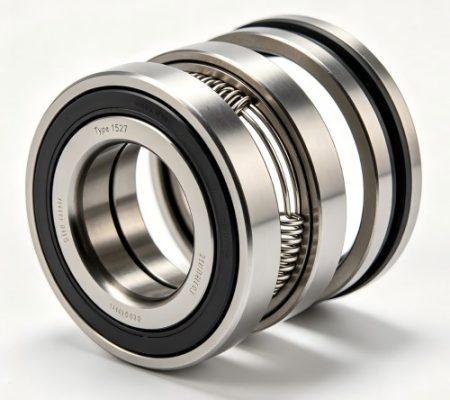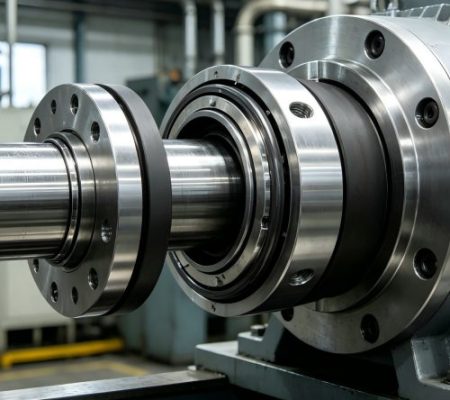

Mechanical seals are the ‘little guardians’ preventing liquid and gas leaks in industrial equipment, such as water pumps and compressors. They resemble two closely spaced ‘discs,’ one moving with the shaft and the other stationary, sandwiched by a thin sealing membrane held together by springs or bellows, keeping the liquid or gas within the pipe. However, if you find the area around the machine damp and leaking, it indicates a seal problem. Don’t panic; follow these steps to address the issue.
Quickly Locating the Root Cause of Mechanical Seal Leaks
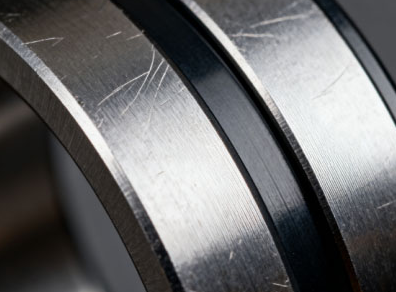
When a leak occurs, the first step is to ‘check the origin’—find the leak location. Is the area around the seal ring wet? Or are there water stains at the contact point between the shaft and the seal? Or does the leak worsen when the machine is running? Different leak locations indicate different problems. For example, a scratched sealing surface, a loose spring, an aged and hardened sealing membrane, or even improper installation or excessive shaft wobble can all cause the seal to malfunction.
If the leak is minor, first try adjusting the pressure. For instance, if the spring is too loose, the sealing surface won’t adhere tightly, allowing liquid to seep in. In this case, gently tighten the pressure cap screws to press the spring more firmly, but don’t use too much force, or you might damage the sealing surface. If the leak persists after adjusting, you’ll need to disassemble and inspect the sealing surface—wipe it with a clean cloth for scratches, gaps, or dirt. If it’s a little dirty, gently wipe it clean with a soft cloth dampened with water; if there’s a small scratch, you can gently sand it with fine sandpaper to smooth the surface, but don’t over-sand, as thinning the sealing surface will actually make it more prone to leaks.
Rubber O-ring Aging Replacement Standard
Appearance Signs of Aging
Typical Manifestations: Cracks, hardening, softening, discoloration, stickiness, powdering, mold growth, surface cracking or network cracking (such as ‘smooth outer layer cracking’), excessive wear, deformation, bubbles, or impurities.
Judgment Basis: According to GB 3452.2-87 and JB/T 7757-2020 standards, O-ring surfaces are not allowed to have defects such as bubbles, cracks, or pores; the allowable defect size range for N-grade (general grade) is 0.08-1.60mm, and S-grade (higher grade) is more stringent (0.05-1.00mm), and the defect spacing must meet the specifications.
If any of the above signs of aging appear, the O-ring must be replaced. When selecting a rubber ring, choose a soft, elastic one, the same size as the original; avoid choosing a larger or smaller one, otherwise it will not be able to tighten properly or will be stuck too tightly. Remember to apply a little grease or special lubricant to the rubber ring during installation to ensure smooth installation and prevent scratches.If the springs are rusty, broken, or weak, they must be replaced. When replacing them, carefully count the number and position of each spring to ensure they are installed correctly. For bellows seals, check for cracks or deformation. If a crack is found, the entire bellows must be replaced; don’t try to patch it up and reuse it, otherwise the leakage will be worse next time. When replacing sealing machinery, ensure all sealing parts are thoroughly cleaned before installation to prevent dust, metal shavings, and other contaminants from getting in. The contact area between the shaft and the seal should be smooth, free of burrs or rust. Tighten the gland screws symmetrically, gradually increasing the force; don’t tighten one spot continuously, otherwise the sealing surface will be misaligned and won’t seal properly.
Solutions for Leaks Caused by Excessive Shaft Wobble
If the shaft wobbles excessively during machine operation, the ‘shaft wobble problem’ must be addressed first. For example, check if the bearings are loose or damaged, or if the shaft is bent. Repairing these issues will ensure stable shaft movement, allowing the seal to ‘stand upright and fit tightly.’ Investigate Potential Causes
Bearing Issues: Check bearing clearance, wear, and lubrication status (e.g., insufficient oil, deteriorated oil quality, excessively high oil temperature). Check for loose bearing housing bolts.
Shaft Issues: Shaft bending (detected with a dial indicator), thermal deformation (elongation/bending due to temperature differences), dynamic imbalance (vibration caused by centrifugal force during high-speed rotation).
Installation Defects: Poor coupling alignment (excessive coaxiality tolerance), improper bearing preload (too loose causing wobbling, too tight exacerbating wear), excessively tight/loose sealing glands.
External Factors: Loose foundation, pipeline stress transmission (e.g., uneven shaft stress due to pipeline vibration), resonance (equipment natural frequency coincides with excitation frequency).
Measures to Resolve Shaft Oscillation
Bearing and Shaft System Repair
Bearing Replacement and Adjustment: Select high-precision bearings (e.g., C3 clearance grade), adjust bearing clearance according to specifications (e.g., use a feeler gauge to measure the clearance between the end cap and the bearing outer ring), ensure sufficient and clean grease (e.g., lithium-based grease, synthetic oil), and regularly monitor oil temperature and vibration.
Shaft straightening and dynamic balancing: For bent shafts, perform cold/hot straightening (using a press or heating method), or replace the shaft entirely; for high-speed rotating shafts, perform on-site dynamic balancing (e.g., adjusting counterweights) to reduce vibrations caused by unbalanced forces.
Coupling alignment: Use a laser alignment instrument to precisely adjust the coaxiality of the motor and equipment shafts (error ≤ 0.05mm) to reduce additional bending moments.
Remember to regularly check for seal leaks, listen for unusual noises, and feel the shaft temperature. If you find significant leaks, a sudden temperature increase, or strange noises, stop the machine immediately for inspection; don’t let small problems develop into major issues.
Don’t panic if the mechanical seal leaks; the key is to pinpoint the cause and address it step by step. From locating the leak, adjusting the pressure, repairing the sealing surface, replacing parts, to proper installation, every step requires meticulous attention. Regular monitoring and inspections will reduce leaks, allow the machine to work more efficiently, and extend its lifespan with greater peace of mind. This saves money and effort, and allows the equipment to ‘run wild’ for several more years. Why not do it?