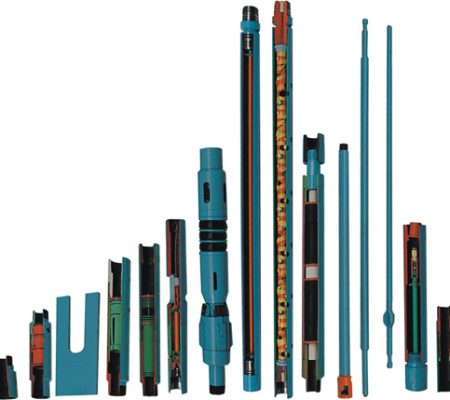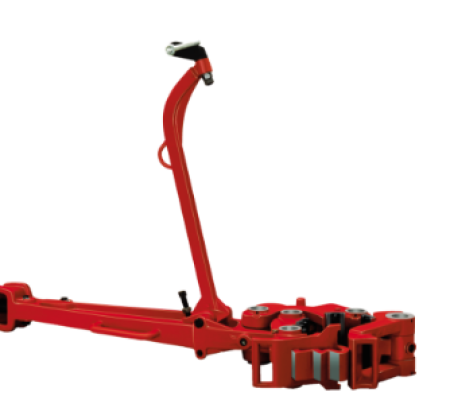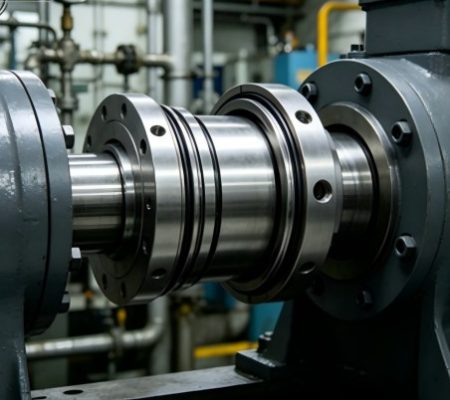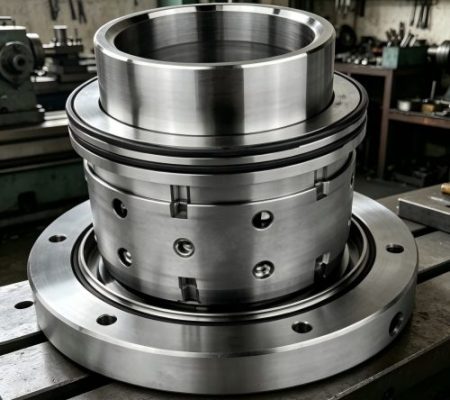
Stabilizers are essential tools in downhole drilling for controlling drill string posture, reducing bit wobble, and minimizing vibration. Based on blade design, stabilizers are mainly divided into straight blade stabilizers and helical blade stabilizers. Different blade shapes perform differently under downhole conditions, and selecting the appropriate stabilizer type is crucial for drilling efficiency, wellbore quality, and drill string longevity.
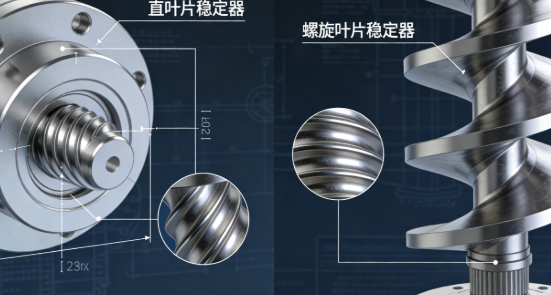
Features and Advantages of Straight Blade Stabilizers
Straight blade stabilizers have blades aligned along the drill string axis, featuring a simple structure and low manufacturing cost. In downhole operation, they provide uniform radial support, reducing bit deviation and vibration to maintain the drill string’s central position. The main advantages of straight blade stabilizers include:
- Low manufacturing and maintenance costs: Simple design allows for mature production processes and easy replacement
- Reduced wellbore wear: Even contact between blades and wellbore minimizes localized impact, suitable for most conventional wellbore diameters
Straight blade stabilizers are suitable for vertical wells, gently inclined sections, and formations with relatively uniform hardness, maintaining drill string stability while reducing equipment wear and maintenance needs.
Features and Advantages of Helical Blade Stabilizers
Helical blade stabilizers have blades arranged in a spiral along the drill string, generating guiding force as the drill rotates, which improves downhole trajectory control. Helical blade stabilizers are particularly effective in high-angle wells and complex formations. Their main advantages include:
- Enhanced guiding capability: Spiral blades provide continuous lateral force during rotation, helping the bit follow the planned trajectory
- Reduced drill string vibration: By distributing load and optimizing friction characteristics, helical blades help lower bending vibration
Helical blade stabilizers are ideal for highly deviated wells, complex formations, or directional drilling operations requiring precise trajectory control, improving wellbore curve accuracy and drill string efficiency.
Limitations of Straight and Helical Blade Stabilizers
Although both types of stabilizers have clear advantages, they also have limitations. Straight blade stabilizers offer limited guiding capability in high-angle wells or complex formations, which can result in bit deviation or wellbore misalignment. Helical blade stabilizers are more complex to manufacture, costlier, and can increase friction during rotation, raising drill string torque. Additionally, in softer formations, helical blades may increase localized wellbore wear, requiring careful coordination with drilling fluid and drill speed.
Selection and Application Techniques
In practical drilling operations, the choice of stabilizer type should consider wellbore inclination, formation characteristics, well diameter, and drilling speed. Key application techniques include:
- Use straight blade stabilizers for vertical or gently inclined sections to reduce cost while maintaining drill string stability
- Use helical blade stabilizers for high-angle or complex formations to enhance guiding capability and reduce drill string vibration
Proper combination and placement of different stabilizer types optimize drill string load distribution, improve wellbore trajectory control, and enhance drilling efficiency.