Downhole stabilizers are essential tools in drilling operations, ensuring drill string stability and controlling wellbore trajectory. During drilling, stabilizers may experience various failures, such as blade wear, cracks, deformation, or twisting, which can affect drill guidance and downhole efficiency. Understanding common failure types and quick repair techniques is important for reducing downtime, extending equipment life, and improving operational safety.
Blade Wear and Repair Methods
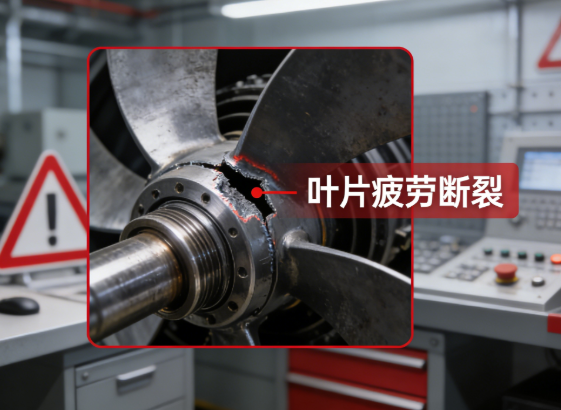
Blade wear is one of the most common stabilizer failures, usually caused by drill string wobble, vibration, or friction with the formation. In sandstone or hard rock formations, blades are prone to scratches, pits, or metal spalling. Quick repair methods include:
- On-site grinding or welding: Minor wear can be restored by grinding or welding local areas to return the blade to its original shape
- Replacing severely worn blades: Blades that exceed design tolerance should be replaced promptly to maintain support and guidance performance
Timely handling of blade wear restores radial support, reduces bit wobble, and ensures accurate wellbore trajectory control.
Cracks and Deformation Handling
Under high-load or high-vibration conditions, stabilizer bodies or blades may develop cracks, bending, or twisting. Cracks and deformation create uneven load distribution, causing drill string trajectory issues. Quick handling methods include:
- Welding and heat treatment: Small cracks can be repaired by welding, followed by heat treatment to restore material strength
- Replacing deformed components: Severely bent or twisted blades and bodies should be replaced immediately to prevent downhole accidents
During repairs, drilling parameters such as torque, weight on bit, and rotation speed should be monitored to ensure the repaired stabilizer operates normally.
Connection Loosening and Tightening Techniques
Stabilizers experience high torque and vibration, and loose connections can lead to blade misalignment or detachment, affecting trajectory control. Tightening techniques include:
- Check and reinforce threads or clamps: Ensure blades and the body are securely fixed
- Use anti-loosening washers or locking devices: Enhance connection stability and prevent vibration-induced loosening
Securing connections reduces abnormal blade wear and stabilizer failure risk, enhancing drilling safety.
Lubrication and Drilling Fluid Management
Stabilizer friction and wear are closely related to drilling fluid performance. Insufficient mud viscosity or poor lubrication accelerates blade wear and increases vibration. Operational techniques include:
- Maintain proper mud viscosity and flow rate: Ensure effective lubrication between stabilizer and wellbore
- Select formation-appropriate drilling fluid formulations: Reduce friction and minimize localized blade wear
Proper drilling fluid management extends stabilizer life and maintains wellbore trajectory control efficiency.