In various types of mechanical equipment, wind power systems, and industrial transmission structures, stabilizer blades operate for long periods under high-speed rotation or continuous load. Their wear condition directly affects operational safety and efficiency. Accurately determining whether stabilizer blades are experiencing abnormal wear is an essential part of equipment maintenance and inspection. Using scientific observation and analysis methods helps identify potential risks early and reduces losses caused by unexpected failures.
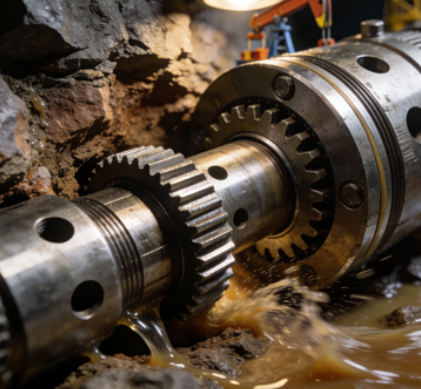
Common Signs of Stabilizer Blade Wear
During operation, stabilizer blades often exhibit visible characteristics that provide intuitive clues for assessment.
- Obvious scratches, grooves, or irregular wear marks on the blade surface
- Reduced surface gloss, with a dull or rough appearance
- Thinning of blade edges and changes to the original rounded profile
- Localized peeling, cracks, or pitting corrosion
These conditions are usually caused by long-term friction, media erosion, or uneven stress distribution, and they should be analyzed in combination with the actual operating environment.
Assessing Wear Through Visual Inspection
Visual inspection is a fundamental step in determining the wear condition of stabilizer blades. With the aid of the naked eye or magnifying tools, both the overall blade and specific areas can be systematically examined. Special attention should be paid to the leading edge, stress-concentrated zones, and areas with frequent contact with other components. Uneven wear patterns may indicate assembly deviations or abnormal operating parameters within the system.
Evaluating Wear by Measuring Dimensional Changes
As operating time increases, key dimensions of stabilizer blades may change. Using professional measuring tools to check blade thickness, width, and critical structural dimensions, then comparing them with factory specifications or technical standards, allows for a clearer evaluation of wear. When dimensional deviations exceed allowable limits, the blade can be considered to have entered a significant wear stage that requires attention.
Analyzing Blade Condition Through Operating Data
Blade wear is reflected not only in appearance and dimensions but also in operating data. Parameters such as vibration levels, noise, and energy consumption may show abnormal fluctuations due to blade wear. By comparing historical operating data, it is possible to indirectly determine whether continuous wear is occurring.
Inspecting Material Fatigue and Structural Changes
Under high loads or complex working conditions, stabilizer blades are prone to material fatigue. Non-destructive testing methods, including ultrasonic testing and magnetic particle inspection, can be used to detect internal microcracks or structural defects. These issues are often difficult to identify visually but have a significant impact on blade service life.
Making Judgments Based on Operating Environment
The wear condition of stabilizer blades is closely related to the operating environment. Environments with high dust levels, high humidity, or corrosive media accelerate surface material loss. When assessing blade wear, operating conditions, service duration, and maintenance history should be considered together to avoid bias caused by relying on a single evaluation method.
The Role of Maintenance Records in Wear Assessment
Comprehensive maintenance and inspection records are important references for identifying wear trends in stabilizer blades. Comparing results from previous inspections provides a clear understanding of wear progression and rate, supporting the development of effective maintenance plans. A lack of long-term records can cause wear issues to be overlooked and increase operational risk.
The Value of Professional Inspection Tools
When conditions allow, using professional inspection equipment to evaluate stabilizer blades can improve assessment accuracy. Methods such as 3D scanning and surface roughness testing quantify wear levels and make results more objective and reliable. These approaches are especially suitable for critical equipment or high-value systems requiring detailed inspection.
The Importance of Wear Assessment for Equipment Operation
Accurate determination of stabilizer blade wear affects not only the service life of individual components but also the stability of the entire system. Continuous monitoring of blade condition allows maintenance measures to be taken before problems escalate, reducing downtime risk and improving overall operational efficiency.