In oil and gas drilling operations, a blowout is a highly concerning situation requiring close monitoring. It acts as a danger signal; if not handled promptly and correctly, it can quickly escalate into a well kick or even a blowout, leading to serious casualties, equipment damage, and environmental pollution. Therefore, strictly following the correct operating procedures when a blowout is detected is crucial to ensuring the safe and smooth progress of drilling operations.
Issuing an Alarm and Notifying Relevant Personnel
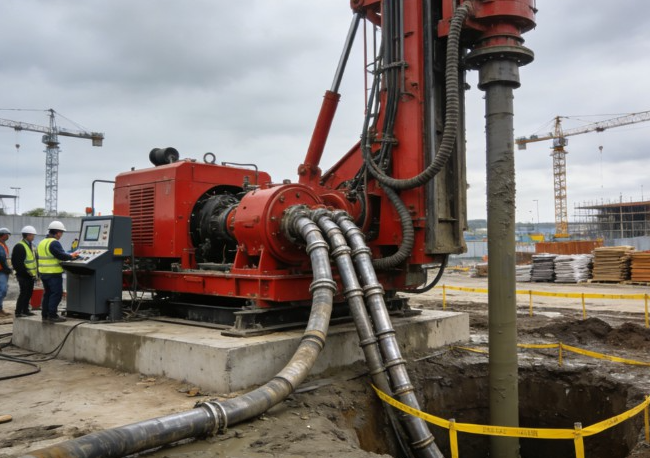
Upon detecting signs of a blowout, on-site personnel must immediately issue an alarm. This is typically done using audible and visual alarms; the sharp alarm sound and flashing lights quickly attract the attention of those nearby. Simultaneously, on-site personnel must immediately and clearly report the blowout situation to the driller via communication equipment, such as a walkie-talkie, including the type of blowout (gas, liquid, or a gas-liquid mixture), the approximate flow rate, and the location of the blowout. Upon receiving a report, the driller must promptly notify the drilling supervisor, geological supervisor, and well control team to ensure all parties are promptly informed of the situation and to provide a basis for subsequent decision-making and actions.
Stop Operations and Raise the Drill String
After confirming the blowout, the driller must decisively issue a stop operation order. Immediately cease all ongoing operations, including drilling and circulation, and raise the drill string to a suitable position. Generally, the drill string should be raised a certain distance from the bottom of the well to prevent the drill bit from continuing to break up the formation rock and further worsening the blowout. Simultaneously, ensure the drill string is suspended, and carefully control the speed during the raising process to prevent pressure fluctuations in the well from exacerbating the blowout. Once the drill string is in position, apply the brakes to keep it stationary, preparing for subsequent shut-in operations.
Shut-in Operation
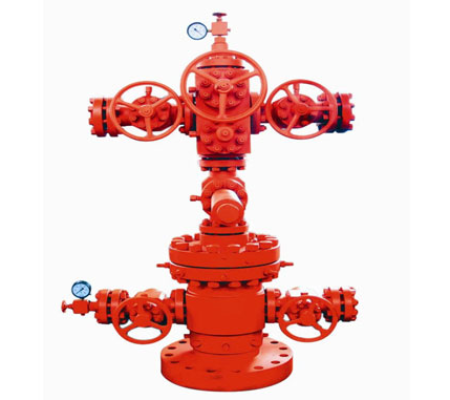
Shut-in is a crucial step in controlling the blowout. The appropriate shut-in method must be selected based on the configuration of the well control equipment and the actual site conditions. Common methods include manual shut-in with a blowout preventer (BOP) and hydraulic shut-in.
Manual Shut-in: For blowout preventers (BOPs) with manual shut-in capabilities, operators must quickly and accurately operate the manual shut-in device according to the operating procedures. For example, for manual gate BOPs, the full-sealing gate and the partial-sealing gate must be closed sequentially to ensure a tight wellhead seal and prevent further fluid leakage. During operation, care must be taken to apply force evenly to avoid damaging the equipment due to improper operation.
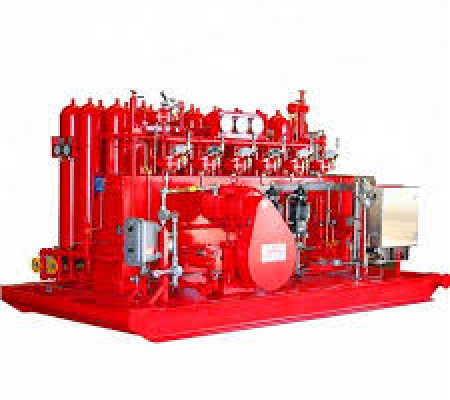
Hydraulic Shut-in: If the BOP is equipped with a hydraulic control system, the driller must quickly initiate the hydraulic shut-in procedure. Using the corresponding buttons on the control panel, hydraulic oil is directed to each gate of the BOP to achieve rapid shut-in. Hydraulic shut-in offers advantages such as speed and ease of operation, but it is crucial to monitor pressure changes in the hydraulic system to ensure normal system operation. After shut-in, the BOP’s seals must be checked to confirm there are no leaks.
Recording Key Data
After shut-in, a series of key data must be recorded promptly and accurately. This data is essential for subsequent well control analysis and decision-making.
Shutdown Pressure: Read the standby pressure value after shutting in the well using the standby pressure gauge. This data reflects the difference between the formation pressure and the drilling fluid column pressure, and is an important basis for judging the magnitude of formation pressure and the nature of the blowout.
Shutdown Casing Pressure: Observe the casing pressure gauge reading and record the casing pressure after shutting in the well. Changes in casing pressure reflect the activity state of the fluid in the well and the working status of the well control equipment.
Drilling Fluid Performance Parameters: Measure the density, viscosity, shear stress, and other performance parameters of the drilling fluid and compare them with the data before the blowout. Understanding the changes in drilling fluid performance helps to determine the cause of the blowout and take appropriate measures.
Develop and Implement a Well Control Plan
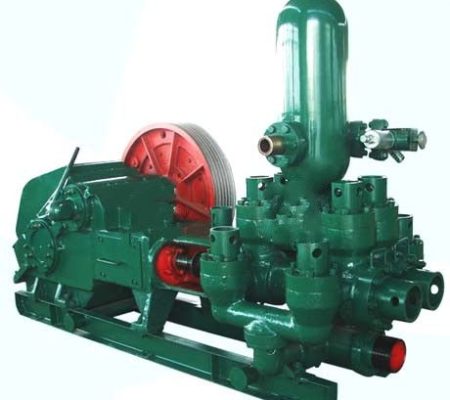
Based on the recorded key data and the actual situation on site, the well control team should quickly develop a scientific and reasonable well control plan. The well control plan should comprehensively consider factors such as formation pressure, drilling fluid performance, and well structure, and select appropriate well control methods and fluids. Common well control methods include the driller’s method, the engineer’s method, and the circulating-and-weighting method.
Driller’s Method:Suitable for situations with small overflows and good formation permeability. This method involves two circulations to expel gas that has entered the well, while gradually adjusting the drilling fluid density to balance formation pressure.
Engineer’s Method:A single-circulation well control method suitable for situations with large overflows and high formation pressure. A single circulation pumps weighted drilling fluid into the well to quickly establish pressure balance.
Simultaneous Circulation and Weighting Method:Gradually increases the drilling fluid density during circulation. Suitable for situations where formation pressure is unclear or where a slow pressure balance needs to be established.
After developing a well control plan, the well control operation must be strictly organized and implemented according to the plan requirements.During the well control process, closely monitor changes in parameters such as standpipe pressure, casing pressure, and drilling fluid return rate, and adjust the well control parameters promptly according to the actual situation to ensure the smooth progress of the well control operation.
Follow-up Monitoring and Recovery Operations
After successful well control, normal drilling operations cannot be resumed immediately. Continuous monitoring of the wellhead, well control equipment, and drilling fluid performance is necessary. Observe the wellhead for signs of re-overflow, check the sealing performance and operational status of the well control equipment, and regularly measure the various performance parameters of the drilling fluid to ensure they meet drilling requirements. Only after confirming everything is normal can drilling operations be gradually resumed. However, vigilance must be maintained during the resumption process, and operating procedures must be strictly followed to prevent recurrence of overflows or other well control problems.
The correct operating procedures after an overflow is a tightly linked and rigorous process. Each step is crucial to the success or failure of well control and the safety of drilling operations. Only by strictly following these procedures can overflows be controlled promptly and effectively, accidents be avoided, and personnel safety and the smooth progress of drilling operations be ensured.