The low temperatures of winter pose a severe challenge to the normal operation of construction equipment, especially temperature-sensitive mechanical systems like solids control equipment. Components such as hydraulic systems, sensors, and pipelines are prone to malfunction due to freezing or performance degradation at low temperatures. This article, combining industry practice and engineering technical specifications, systematically outlines antifreeze and insulation measures for solids control equipment during winter construction, providing practical solutions for engineering sites.
Equipment Body Insulation
Full Wrapping with Insulation Materials
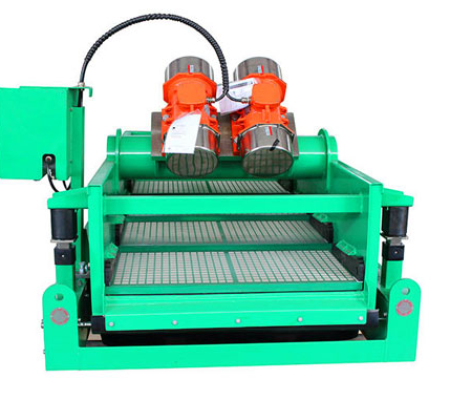
For core components of solids control equipment such as vibrating screens, centrifuges, and mud pumps, a composite insulation layer is required. For example, wrap the equipment shell with 1.5 cm thick rock wool board or glass wool felt, add an aluminum foil moisture-proof layer, and seal the joints with weather-resistant tape. For pipeline systems, self-regulating heating cables are preferred, as they can automatically adjust their power according to the ambient temperature to avoid localized overheating or insufficient insulation. A drilling project in an oilfield used this solution to maintain the equipment surface temperature above 5°C, effectively preventing the mud pipeline from freezing.
Enhanced Protection through Localized Heating
For critical sensors, hydraulic valve assemblies, and other precision components, localized heating devices should be added. For example, small constant-temperature heating elements can be installed around the amplitude sensor of a vibrating screen to maintain the sensor’s operating temperature above 0℃; silicone rubber heating plates can be laid at the bottom of the hydraulic oil tank, working in conjunction with a temperature controller to achieve precise temperature control between 30-40℃. A tunnel engineering project showed that such measures can reduce the hydraulic system failure rate by 70%.
Fluid System Antifreeze
Scientific Antifreeze Ratio
The cooling system of solids control equipment needs to be replaced with ethylene glycol-based antifreeze, whose freezing point must be at least 10℃ lower than the local minimum air temperature. For example, in an environment of -20℃, an antifreeze with a freezing point of -35℃ should be selected, and the concentration should be controlled within the range of 50%-60% to avoid excessive viscosity due to high concentration, which would affect heat dissipation. Before replacement, the existing coolant must be thoroughly flushed to prevent chemical reactions between different components.
Dynamic Management of Mud Circulation
During winter construction, the mud circulation system must maintain low-flow operation 24 hours a day to prevent mud from stagnating and freezing in the pipelines. For shutdowns exceeding 4 hours, the mud in the equipment must be emptied and antifreeze injected. A shale gas drilling project adopted a ‘dual-pump rotation + intelligent flow control’ technology, automatically adjusting the start-up and shutdown frequency of the mud pumps through a PLC system, ensuring mud fluidity while reducing energy consumption.
Optimization of Operation Procedures
Preheating Procedure Before Start-up
Before equipment startup, a ‘three-stage preheating’ process must be performed: First, the electric heat tracing system must be turned on for 2 hours to raise the pipeline temperature above 0°C; second, the hydraulic system must be started and run unloaded for 15 minutes to promote oil circulation; finally, the system must be gradually loaded to the operating parameters. Practice on a deep-sea drilling platform shows that this process can reduce equipment wear by 40% and extend its service life.
Post-Shutdown Maintenance Standards
Upon shutdown, the ‘Three Cleans and Three Checks’ procedure must be performed immediately: clean snow and ice from the equipment surface and check the integrity of the insulation layer; drain residual pressure from the hydraulic system and check the operating status of the heating device; clean the mud tank and check the antifreeze level. A desert oilfield project reduced equipment failure response time to within 30 minutes by establishing a standardized maintenance checklist.
Emergency Support Mechanism
Temperature Monitoring and Early Warning System
PT100 temperature sensors are installed on critical parts of the equipment, and data is transmitted to the central control room in real time. When the temperature falls below the set threshold, the system automatically triggers a three-level response: Level 1 warning (yellow) activates the backup heating device; Level 2 warning (orange) notifies maintenance personnel to conduct on-site inspection; Level 3 warning (red) forces a shutdown and initiates the emergency drainage procedure. After implementing this system, a multinational engineering company saw a 92% reduction in equipment freezing damage incidents.
Emergency Supplies Reserve Plan
Sufficient antifreeze, insulation cotton, electric heating tape, and other consumables must be stocked at the construction site, along with emergency equipment such as mobile diesel heaters and high-pressure steam cleaners. A ‘5-minute response circle’ should be established to ensure that maintenance personnel arrive on site within 10 minutes with their toolkits. A polar research station successfully repaired a hydraulic system malfunction in solids control equipment at -40℃ using this plan.
Winter antifreeze and insulation measures for solids control equipment require a four-in-one system integrating ‘physical protection, fluid management, process optimization, and emergency support.’ Through the deep integration of materials science, automatic control technology, and standardized management, stable operation of equipment can be achieved in extreme environments down to -30℃.