In the grand scheme of oil and gas exploration and development, well control acts as a solid cornerstone, silently supporting the safety and stability of the entire operation. It is not an abstract concept, but is closely linked to the safety of every drilling site, every worker, the company’s economic benefits, and the industry’s sustainable development. So, why is well control so important?
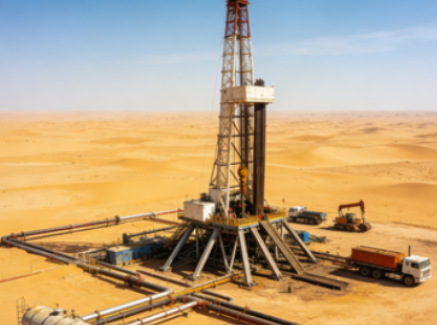
Ensuring Personnel Safety
The primary significance of well control lies in building a robust line of defense for on-site personnel. During drilling, abnormal pressure changes within the well can trigger dangerous situations such as blowouts. When a blowout occurs, high-pressure oil and gas flows, carrying drilling fluid, cuttings, and other debris, are ejected at high speed from the wellhead, creating a powerful impact and destructive force. This force can not only destroy wellhead equipment but also cause direct physical injury to surrounding personnel, such as being hit by flying objects or being knocked down by the powerful airflow.
Even more serious is that after a blowout goes out of control, the oil and gas mix with air to form a flammable gas cloud, which, upon encountering a source of ignition, can trigger a violent explosion and fire. Under the intense heat, high pressure, and toxic gases, on-site personnel face a life-or-death test, their lives severely threatened. Effective well control measures can monitor well pressure changes in a timely manner, allowing for preventative and control measures to nip blowout risks in the bud, thus maximizing the safety of workers.
Protecting the Environment from Pollution
Well control plays a crucial role in environmental protection during oil and gas extraction. When a blowout goes out of control, large quantities of crude oil and natural gas leak uncontrollably into the surrounding environment. Crude oil contains various harmful substances, such as volatile organic compounds like benzene, toluene, and xylene, as well as heavy metals. Once these substances enter the soil, they alter its physicochemical properties, damage its structure, and affect the survival and activity of soil microorganisms, leading to decreased soil fertility and impacting crop growth and development.
When crude oil leaks into water bodies, it forms a thick oil film on the surface, preventing oxygen from dissolving into the water and causing aquatic life to die from lack of oxygen. Meanwhile, harmful substances in crude oil can accumulate in organisms through the food chain, causing long-term damage to aquatic ecosystems. Natural gas leaks lead to increased concentrations of greenhouse gases in the atmosphere, exacerbating global warming. Strict well control management can effectively prevent blowouts, avoid these environmental disasters, and protect the ecological environment upon which we depend for survival.
Maintaining Corporate Economic Benefits
For oil and gas companies, well control is a key factor in ensuring economic benefits. Blowouts not only damage and render drilling equipment unusable, causing huge direct economic losses, but also interrupt drilling operations and delay schedules. Resuming drilling requires significant investment of manpower, resources, and capital, including purchasing new equipment, reorganizing construction teams, and redesigning drilling operations, which greatly increases the company’s operating costs.
Furthermore, blowouts can trigger a series of legal disputes and compensation liabilities. If leaked crude oil and natural gas damage the property of nearby residents, the company will be liable for corresponding compensation; if it causes serious environmental pollution, the company may also face severe penalties from environmental protection departments. These additional economic burdens will further weaken the company’s profitability. Effective well control management can reduce the probability of blowouts, minimize equipment damage and operational interruptions, thereby ensuring normal production and operation and improving the economic efficiency of enterprises.
Promoting Sustainable Industry Development
From a macro-level perspective, well control is a crucial guarantee for the sustainable development of the oil and gas industry. A safe and environmentally friendly industry image is essential for attracting investment, expanding markets, and enhancing industry competitiveness. Frequent blowouts not only raise public concerns about the safety of oil and gas extraction, affecting the industry’s reputation and image, but also lead to increased government oversight, increasing operating costs and compliance difficulties for enterprises.
Conversely, strengthening well control management and improving the overall safety level of the industry can enhance public trust and support for the oil and gas sector, creating a favorable social environment for sustainable development. Furthermore, good well control practices also contribute to technological innovation and progress within the industry, promoting continuous improvement and refinement of drilling processes and equipment, and enhancing the overall efficiency and competitiveness of the industry.
Well control plays an irreplaceable and vital role in ensuring personnel safety, protecting the environment, maintaining enterprise economic benefits, and promoting sustainable industry development. Well control is an indispensable and crucial link in the exploration and development of oil and gas. Every practitioner should deeply understand the importance of well control, strictly abide by well control regulations, continuously improve well control technology, and jointly contribute to the safe, stable, and sustainable development of the industry.