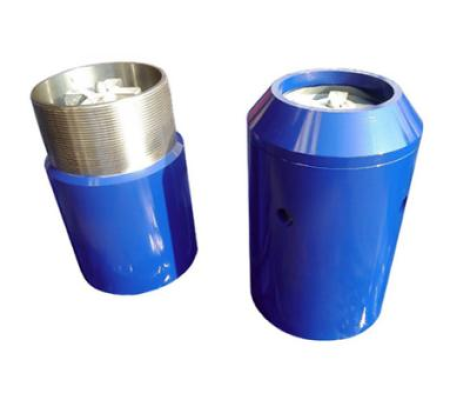
The float valve (Sub) is commonly used in drilling tool systems and is an important component of the float valve assembly. Many people focus more on the valve body itself when learning about float valves, and understand less about the working principle of the Sub. In fact, the float valve (Sub) is not just a simple connector; it is closely related to the fluid channel design, pressure transmission, and the valve body’s operation. Understanding its working principle helps to more accurately understand its role in downhole tool systems.

Fluid Channel Structure is the Foundation of Operation
The operation of the float valve (Sub) is based on its internal fluid channel structure. When drilling fluid or other media flow through the tool string, they enter the valve body’s working area through the internal channels of the Sub. The channel structure needs to ensure stable fluid flow while maintaining continuous flow velocity and pressure transmission. If the channel design is unreasonable, it may affect the stability of the fluid path, thus affecting the overall operation of the float valve. Therefore, the Sub is not simply a mechanical connection, but a crucial structure participating in the fluid flow process.
Pressure Changes Drive Valve Body Actions
The working principle of the float valve (Sub) is closely related to pressure changes. During system operation, when the fluid flows in the normal direction, the pressure pushes the valve body into a flow-allowing state, allowing the medium to pass through. When reverse pressure or backflow occurs, the valve body responds under pressure, achieving a closing or blocking function. The Sub plays a role in pressure transmission and support during this process, enabling the valve body to operate. Without a stable Sub structure, the valve body’s response may be affected.
Flow Control Logic Achieved Through Coordination
The operation of the float valve Sub is not independent but achieves flow control logic through coordination with the float valve assembly.
- Assists in maintaining unobstructed flow during forward flow.
- Supports valve body response during pressure changes.
- Coordinates to block backflow when it occurs.
- Internal structure guides the medium along its path.
- Maintains system stability under dynamic loads.
This coordination constitutes an important part of the working principle of the float valve Sub.
Mechanical Support Ensures Adaptability to Dynamic Conditions
The downhole operating environment involves high pressure, vibration, and complex dynamic loads, which determines that the float valve Sub not only participates in fluid control but also undertakes mechanical support tasks. During operation, the Sub (sub valve) bears the load through a stable connection structure and maintains the valve body’s installation position without displacement. Only with structural stability can the valve’s operating logic remain effective. For this reason, the working principle of the Sub valve incorporates both mechanical support and fluid control characteristics, rather than just a single function.
Overall Operation Relies on Structural and Functional Synergy
The Sub valve’s true effectiveness does not depend on the action of a single component, but rather on the coordinated operation of the fluid passage, pressure response, mechanical support, and valve body. The core of its working principle lies in utilizing structural design to ensure the medium flows along a predetermined path and, under abnormal operating conditions, assists in preventing backflow and providing operational protection. Understanding this synergistic logic helps explain the Sub valve’s crucial role in drilling tool systems and facilitates more accurate assessment of its operational status during application and maintenance.