Vibrating screens operate at high frequencies for extended periods in industrial screening and solids control systems. Under continuous vibration, material impact, and complex environmental conditions, the equipment is prone to wear and performance degradation. Without systematic maintenance, not only will screening efficiency decrease, but it may also lead to abnormalities in the excitation system or structural damage. Proper maintenance methods can significantly extend the equipment’s service life and maintain stable operation.

Daily Operational Inspections to Maintain Basic Stability
Daily inspections are the foundation of maintenance work, enabling the timely detection of potential abnormalities. During operation, attention should be paid to any abnormal noise, uneven vibration, or localized loosening. If the screen surface is found to be unstable, the machine should be stopped immediately for inspection to prevent the problem from escalating. Regularly observing material distribution also helps determine if the feed is uniform, thereby reducing the impact of localized overload on the equipment. Maintaining a daily inspection habit can effectively reduce the probability of sudden failures.
Screen Cleaning and Replacement to Ensure Screening Efficiency
The condition of the screen directly affects the screening effect and equipment load. After long-term use, blockages or wear problems are likely to occur. Cleaning and replacement need to be adjusted according to the operating conditions.
- Regularly clean residual material from the screen holes.
- Check for damage or deformation of the screen mesh.
- Select the appropriate mesh size based on the material characteristics.
- Shorten the replacement cycle in high-wear environments.
- Maintain stable screen tension.
A well-maintained screen mesh reduces the extra burden on the vibration system and improves overall screening efficiency.
Vibration System Lubrication and Tightening Maintenance
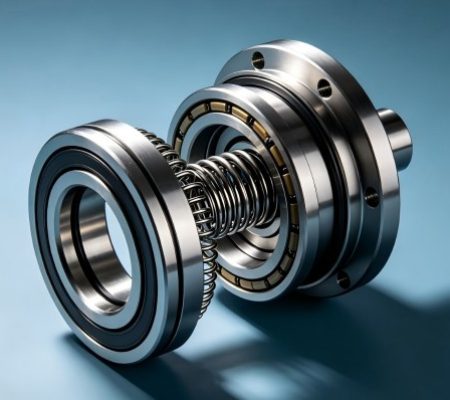
The vibrator is the core power source of the vibrating screen, and its operating status directly affects equipment stability. Insufficient lubrication increases frictional resistance, leading to temperature rise and accelerated wear; therefore, lubricating materials need to be replenished or replaced regularly. Simultaneously check the tightness of bearings and eccentric structures to avoid abnormal vibration or structural imbalance due to loosening. Maintaining a well-maintained vibration system helps reduce equipment operating load and extend service life.
Structural Connection and Foundation Fixing Inspection
During long-term operation, continuous vibration can easily lead to loosening of connecting parts or foundation misalignment. Bolt tightness needs to be checked regularly to ensure uniform stress on all connections. Instability in the foundation structure will amplify operating vibration and increase equipment fatigue. Regular inspections of the support structure can prevent additional stress during operation, ensuring the stability of the entire machine.
Optimization of Operating Environment and Methods
The operating environment has a significant impact on equipment lifespan. High dust or high humidity environments can accelerate corrosion and clogging. Keeping the working area clean can reduce the impact of external factors on the equipment. During operation, avoid prolonged overload operation and maintain uniform and stable feeding to prevent excessive localized impact. Reasonably controlling the operating rhythm can not only reduce equipment wear and tear but also improve overall operating efficiency, allowing the vibrating screen to maintain stable performance for a longer period.