
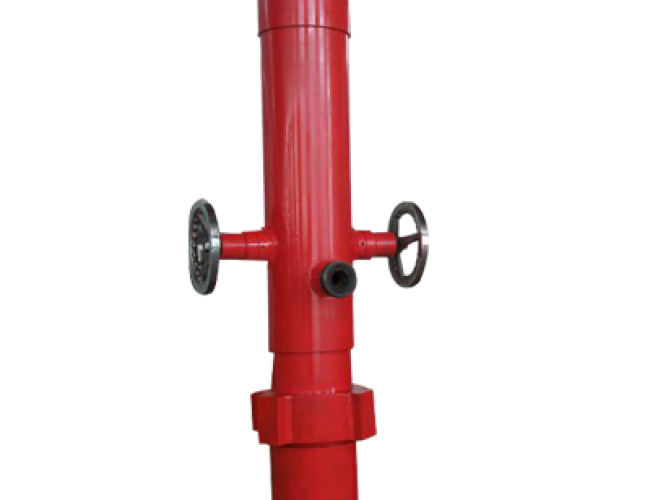
Cement heads, as key devices in oil well cementing operations, play a decisive role in cementing effectiveness. They precisely control the timing of rubber plug deployment, paving the way for subsequent operations; they also finely regulate cement slurry flow based on downhole conditions, ensuring high-quality cement sheath formation. Simultaneously, they effectively isolate the wellbore, preventing interference from formation fluids. The proper functioning and operational precision of cement heads directly affect the quality of cementing and operational safety, making them a crucial and indispensable element in cementing operations.
Main Functions of Cement Heads:
In the complex and critical process of cementing, the cement head, installed at the top of the casing string, plays a vital role. It has internal channels that allow for the sequential injection of cement slurry, separating fluid, and rubber plugs in a precise order. This design ensures that different media enter the well safely and reliably in a predetermined sequence, effectively preventing mixing and guaranteeing the formation of a complete and uniform cement sheath in the target well section. Downhole operators can use cement heads to achieve precise control over the cementing process, ensuring the cementing operation proceeds smoothly according to plan.
Structural Composition and Working Principle:
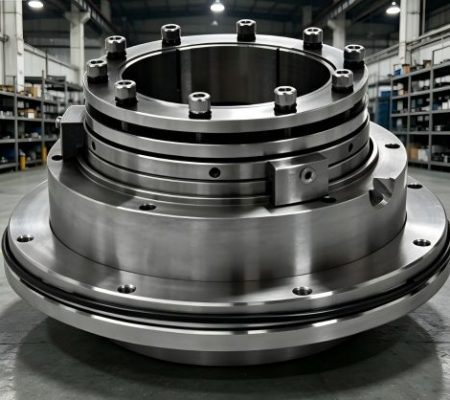
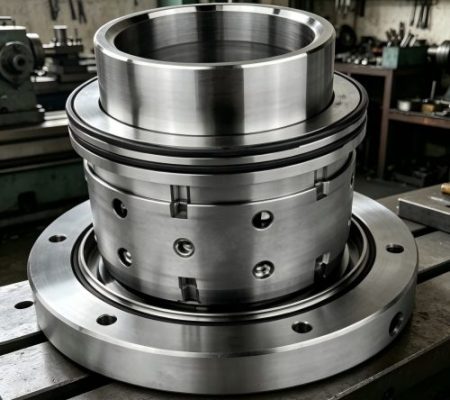
Cement heads are typically composed of a shell, plug release mechanism, sealing system, and pressure control components. They possess excellent sealing and pressure resistance, enabling stable operation in complex downhole environments. During cementing, the rubber plugs inside the cement head are released sequentially according to a predetermined order. At this time, pump pressure pushes the cement slurry downwards, allowing it to move smoothly down the casing string, laying the foundation for subsequent cementing operations. When the upper and lower rubber plugs collide, a clear pressure signal is generated. This signal is crucial for field operators, clearly indicating that the cementing operation is complete. Operators can easily assess the progress on-site based on this signal and adjust subsequent work plans accordingly.
Downhole Operation Precautions:
Cement heads must undergo rigorous and meticulous inspection before use. Particular attention should be paid to the reliability of the seals, grouting mechanism, and connections. The quality of the seals directly affects the sealing performance of the cement head. Problems with the seals can lead to media leakage, affecting cementing results. The proper operation of the grouting mechanism is crucial for ensuring accurate cement slurry injection. The reliability of the connectors guarantees a stable connection between the cement head and other equipment. During operation, personnel should strictly control pump pressure and flow rate according to design parameters. Abnormal pressure or flow rate may damage the equipment and affect the normal progress of cementing operations. Only by correctly operating the cement head can the cementing success rate be effectively improved, laying a solid and reliable foundation for subsequent downhole operations and the long-term stable production of oil and gas wells.