1. Product Overview
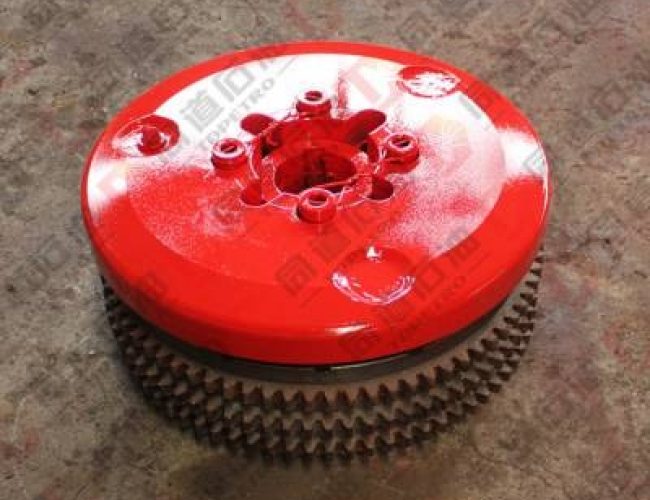
This comprehensive pressure plate list, curated for Drilling Solutions, features 31 precision-engineered components spanning 6” to 36” diameters, with key part numbers including R06-03-000 (6”), R08-03-000 (8”), R18-03-000 (18”), R21-03-400 (21”), and R36-03-900 (36”). Each pressure plate is specifically designed to fit and optimize the performance of critical drilling equipment, including exact OEM models such as Cameron BOPs (Type U, Type C), Halliburton drilling jars (HJ-500, HJ-750), Schlumberger wellhead assemblies (WH-1500, WH-3000), Baker Hughes hydraulic hold-down tools (HDT-8, HDT-21), and National Oilwell Varco (NOV) rotary drive systems (RD-14, RD-24). These plates are the core sealing and load-bearing components for onshore/offshore drilling, well completion, and well intervention operations.
2. Key Product Features
Every pressure plate in the list is fully certified to API 16A and API 7K standards, with pressure ratings calibrated to their size and variant. For example: the R06-03-000 (6”) plate is rated for 5,000 psi (345 bar), ideal for light-duty hydraulic hold-down tools (Schlumberger HDT-8); the R18-03-000 (18”) and R21-03-400 (21”) plates are rated for 10,000 psi (690 bar), designed for Cameron Type U BOPs in high-pressure well control; the R36-03-900 (36”) plate is engineered for 15,000 psi (1034 bar) service, compatible with large-bore wellhead assemblies (Schlumberger WH-3000) in deepwater drilling. All plates pass hydrostatic testing (no leakage at 1.5x rated pressure) and non-destructive testing (NDT) to detect hidden defects—ensuring compliance with global drilling safety regulations.
3. Structural Characteristics
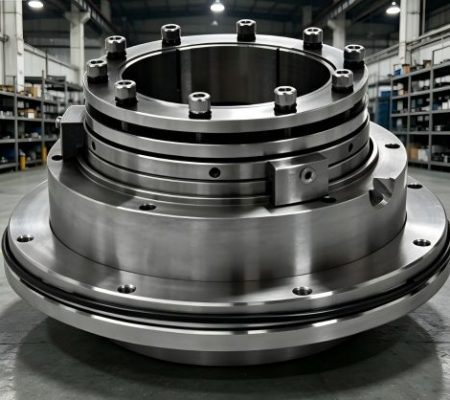
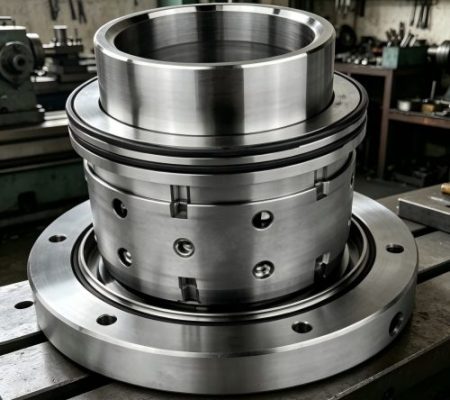
These compact to mid-size plates (2–15 kg) feature a solid monolithic design with a flat sealing face and counterbored mounting holes that match SAE J429 Grade 8 bolts—compatible with light-to-medium-duty drilling tools. Key variants: R14-03-999 includes a recessed O-ring groove for secondary sealing, ideal for Schlumberger HDT-21 hold-down tools; R08-11-002 integrates a locating pin to prevent slippage in high-vibration drilling jars (Halliburton HJ-500); R11-03-400 has a reinforced edge for increased load resistance in 11” wellhead assemblies (Baker Hughes WH-1500). Their lightweight design allows quick manual installation, critical for field intervention work.
4. Applicable Working Conditions
All pressure plates are engineered to perform in the most demanding drilling environments, aligned with API standards and the operational needs of compatible equipment (Cameron BOPs, Halliburton jars, Schlumberger wellheads):
- Pressure Range: 5,000 psi (345 bar) for 6”–11” plates, 10,000 psi (690 bar) for 14”–27” plates, 15,000 psi (1034 bar) for the 36” R36-03-900 plate.
- Temperature Range: -40°C to 120°C, compatible with arctic onshore drilling (Alaska, Siberia) and high-temperature geothermal operations (Nevada, Iceland).
- Environmental Resistance: 17-4 PH stainless steel variants resist saltwater corrosion (offshore Gulf of Mexico, North Sea); 4140 alloy steel plates withstand abrasion from drilling mud (onshore shale plays).
- Vibration Resistance: Rated to withstand 15 g (10–1000 Hz) vibration from rotary drilling operations, ensuring no loosening or seal failure.
5. Maintenance and Care Recommendations
Inspect pressure plates before every installation—this is non-negotiable for well control safety. Check for: scratches, dents, or pitting on the sealing face (any damage over 0.05mm requires reconditioning or replacement); wear or deformation of mounting holes/locating pins; and corrosion (white rust on stainless steel variants indicates surface degradation). For plates in active service, conduct a post-operation inspection to remove seal residue buildup, which can cause uneven pressure distribution in future use. For offshore operations, inspect plates weekly for saltwater corrosion.
We supply the following spare parts:
| R06-03-000 6” pressure plate | R08-03-000 8” pressure plate |
| R08-03-200 8” pressure plate | R08-03-400 8” pressure plate |
| R08-11-002 8” pressure plate | R11-03-000 11” pressure plate |
| R11-03-100 11” pressure plate | R11-03-400 11” pressure plate |
| R14-03-000 14” pressure plate | R14-03-400 14” pressure plate |
| R14-03-100 14” pressure plate | R14-03-999 14” pressure plate |
| R16-03-000 16” pressure plate | R16-03-400 16” pressure plate |
| R16-03-101 16” pressure plate | R18-03-000 18” pressure plate |
| R18-03-001 18” pressure plate | R18-03-101 18” pressure plate |
| R18-03-105 18” pressure plate | R18-03-006 18” pressure plate |
| R19-03-000 19” pressure plate | R21-03-000 21” pressure plate |
| R21-03-001 21” pressure plate | R21-03-100 21” pressure plate |
| R21-03-400 21” pressure plate | R24-03-003 24” pressure plate |
| R24-03-100 24” pressure plate | R24-11-104 24” pressure plate |
| R25-03-000 25” pressure plate | R27-03-000 27” pressure plate |
| R36-03-900 36” pressure plate |
6. On-Site Fault Repair Cases (Drilling Pressure Plates)
Case 1: Seal Leak in 18” Cameron Type U BOP (R18-03-000 Pressure Plate)
Symptom: An offshore drilling rig in the Gulf of Mexico experienced a slow hydraulic leak in its 18” Cameron Type U BOP during a well test. Pressure testing confirmed the leak originated at the BOP seal interface with the pressure plate.
Inspection and Repair: The maintenance team removed the R18-03-000 plate and found a 0.1mm scratch on the sealing face (caused by a dropped metal tool during prior maintenance). They replaced the damaged plate with a new R18-03-000 unit from the list, cleaned the BOP seal bore with non-abrasive solvent, and retorqued the mounting bolts to 350 N·m (API specs). Hydrostatic testing at 15,000 psi (1.5x rated pressure) showed zero leakage, and the BOP resumed normal operation within 2 hours—minimizing NPT.
Precaution: Always use a soft mallet and protective covers when handling pressure plates to avoid sealing face damage.
Case 2: Premature Failure in 21” Schlumberger WH-1500 Wellhead (R21-03-100 vs. R21-03-400)
Symptom: An onshore contractor in the Permian Basin installed an R21-03-100 pressure plate in a 21” Schlumberger WH-1500 wellhead operating at 10,000 psi. After 2 weeks of service, the plate deformed, causing pressure loss and a well control incident.
Inspection and Repair: The team referenced the pressure plate list and discovered the R21-03-100 is rated for 5,000 psi (light-duty), while the R21-03-400 is engineered for 10,000 psi (heavy-duty) applications. They replaced the incorrect plate with an R21-03-400 unit (reinforced flange for high pressure), re-torqued the bolts, and passed pressure testing. No further issues were reported over 6 months of service.
Precaution: Always cross-reference part number variants with your equipment’s operating pressure and OEM specifications before installation.
Case 3: Rotational Slippage in 8” Halliburton HJ-500 Drilling Jar (R08-11-002 Pressure Plate)
Symptom: A well service team in Texas reported their 8” Halliburton HJ-500 drilling jar failed to actuate properly— the pressure plate was slipping rotationally inside the jar’s hydraulic chamber, reducing actuation force by 40%.
Inspection and Repair: The original generic 8” plate lacked a locating pin, causing slippage. The team installed an R08-11-002 plate (from the list), which includes a precision locating pin that mates with the jar’s housing. This eliminated slippage, and the jar’s actuation force was restored to the manufacturer’s specification of 25 tons. The jar resumed normal operation for the remainder of the well intervention project.
Precaution: Use variant plates with anti-rotation features (like R08-11-002) for high-torque drilling tool applications (drilling jars, rotary drives).
7. Frequently Asked Questions (FAQ)
| Question | Answer |
| How do I choose the right pressure plate variant (e.g., R08-03-000 vs. R08-03-400) for my Cameron BOP or Halliburton drilling jar? | Variant numbers indicate key design modifications for specific equipment and pressure needs. Suffixes like “400” mean reinforced construction for high pressure (10,000+ psi), while “000” is standard-duty (5,000 psi). For example, R08-03-400 works with Halliburton HJ-750 jars (high torque), while R08-03-000 fits HJ-500 jars (standard torque). Always check your equipment’s OEM manual for the specified part number—this list is cross-referenced with Cameron, Halliburton, and Schlumberger to ensure exact compatibility. If unsure, share your equipment model (e.g., Cameron Type U BOP) and operating pressure, and we can match the right plate. |
| Are these pressure plates compatible with non-OEM drilling equipment that meets API standards? | Yes—all plates are built to API 16A and API 7K dimensional standards, which are universal across the drilling industry. While variants like R08-11-002 are designed for specific OEM tools (NOV RD-14), standard-duty plates (R06-03-000, R14-03-000, R16-03-000) will fit any non-OEM equipment that matches the same diameter, pressure rating, and bolt circle size. Always verify bolt circle diameter (e.g., 12” bolt circle for 18” plates) and mounting hole size before installation to avoid compatibility issues. |
| What is the typical service life of these pressure plates, and how can I extend it? | Under standard onshore drilling conditions, 6”–14” standard-duty plates last 2,000–3,000 operating hours; 16”–27” heavy-duty plates and the R36-03-900 last 4,000–5,000 hours. In offshore saltwater or abrasive drilling mud environments, service life drops by 30%. You can extend lifespan by 20% through routine inspection (before each use), proper storage (VCI film, padded racks), and reconditioning minor sealing face damage (precision lapping). Never reuse plates with cracks, excessive wear, or failed pressure tests—safety always comes first. |
8. Procurement Guide and Call to Action
This pressure plate list is the definitive resource for sourcing API-certified, Drilling Solutions-aligned pressure plates that fit your exact drilling equipment (Cameron BOPs, Halliburton jars, Schlumberger wellheads). With a complete size range (6”–36”) and variant options for every application, it eliminates the risk of incompatible parts, reduces unplanned downtime, and ensures compliance with critical well safety standards. Every plate is precision-manufactured to meet API 16A/7K requirements, with traceable quality control and a certificate of conformity (COC) for audit compliance—delivering the reliability your drilling operation depends on.