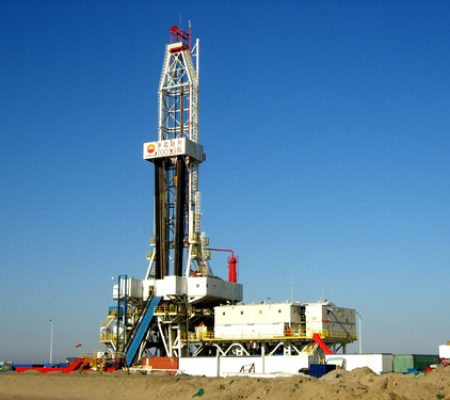
In the context of modern drilling and engineering construction equipment upgrades, traditional fixed-speed drive systems are increasingly unable to meet the demands of complex formations and high-precision operations. Variable-frequency drive drilling rigs, as a new type of power control technology, achieve more efficient and stable drilling control by precisely adjusting motor speed. They offer significant advantages in energy utilization, construction efficiency, and equipment adaptability, and are gradually becoming an important development direction in the engineering field.

Improved Energy Efficiency
The most direct advantage of variable-frequency drive technology is its ability to significantly optimize energy consumption.
- By adjusting motor speed through a frequency converter, the equipment operates within the optimal power range, avoiding unnecessary energy waste
- Automatically adjusts output power based on formation resistance, improving overall energy efficiency
- Reduces speed under low-load conditions to maximize energy savings
- Compared with traditional fixed-speed systems, it significantly reduces long-term electricity or fuel consumption
Therefore, its energy-saving advantage is especially evident in long-duration continuous operations.
Enhanced Drilling Efficiency and Operational Stability
In actual drilling operations, variable-frequency systems can better adapt to formation changes, improving overall efficiency.
- Real-time adjustment of speed and torque based on rock hardness improves rock-breaking efficiency
- Reduces issues such as drill bit jamming and excessive vibration caused by sudden impact loads
- Maintains continuous and stable drilling, reducing downtime for adjustments
- Improves overall drilling smoothness and controllability in complex formations
This dynamic adjustment capability makes construction more efficient and stable.
Reduced Equipment Wear and Maintenance Costs
In addition to efficiency improvements, variable-frequency drive systems also significantly extend equipment lifespan.
- Soft start and soft stop reduce mechanical impact and sudden stress on components
- Decreases frequent start-stop cycles, improving motor and transmission system durability
- Reduces drilling vibration, lowering abnormal wear on drill bits and rods
- Reduces failure rates, thereby lowering maintenance and downtime costs
Over long-term operation, these advantages significantly reduce total maintenance expenses.
Improved Control Precision and Intelligence Level
Variable-frequency technology enables more refined control and facilitates intelligent upgrades of drilling rigs.
- Allows precise adjustment of speed and torque for higher operational accuracy
- Supports integration with automated control systems for remote monitoring and adjustment
- Automatically optimizes operating parameters based on real-time data
- Provides a strong foundation for digital and intelligent drilling systems
This drives drilling rigs from mechanical control toward intelligent equipment.
Stronger Adaptability to Complex Working Conditions
In complex geological and special environments, variable-frequency drilling rigs demonstrate greater adaptability.
- Adjusts parameters flexibly in alternating soft and hard formations, reducing jamming risks
- Provides stable torque output in high-resistance rock formations
- Maintains smooth operation under unstable working conditions, improving safety
- Suitable for multiple engineering scenarios, enabling multi-purpose applications
This flexibility greatly expands its application range in modern engineering.
Variable-frequency drive drilling rigs, with their advantages in energy efficiency, operational stability, precise control, and strong adaptability, are gradually transforming the operating mode of traditional drilling equipment. From optimizing energy utilization to improving construction efficiency, from reducing maintenance costs to enabling intelligent upgrades, their value in modern engineering systems continues to grow. As the industry moves toward greener and more digital development, variable-frequency drive technology will become even more widely adopted, serving as a key direction for future drilling equipment upgrades and providing more efficient and reliable support for engineering projects.