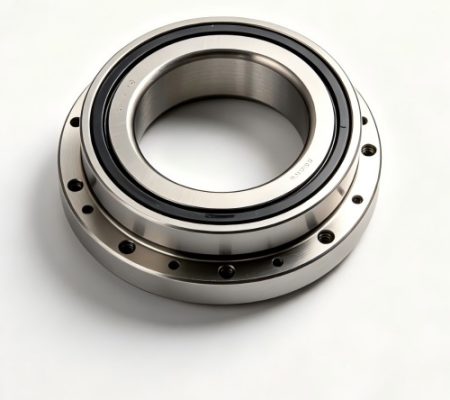
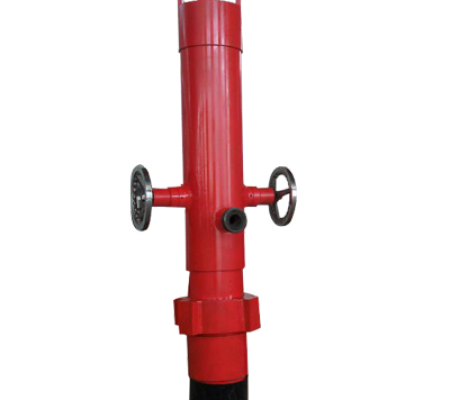
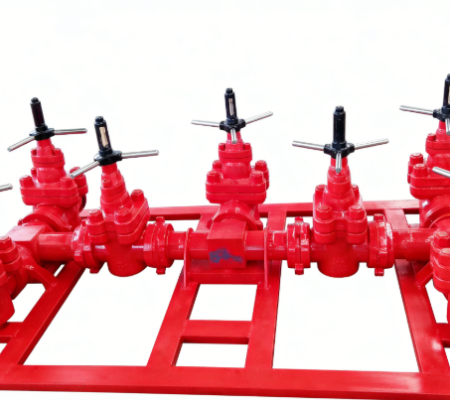
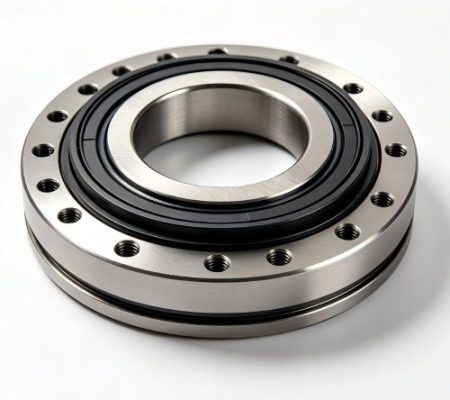
In oil and gas drilling and production, the wellhead area plays a crucial role in connecting the underground wellbore with surface equipment, and wellhead sealing is a vital link in ensuring safe production. Because wells typically contain high-pressure oil and gas and complex fluids, seal failure can easily lead to leaks, pressure runaway, and other problems. Therefore, the sealing performance of wellhead equipment directly affects the stable operation of the entire system. Modern wellhead systems place greater emphasis on pressure-bearing capacity and multi-layered sealing structures. Through the coordinated operation of different components, effective isolation and control of fluids within the well are achieved, thus providing reliable protection for drilling and oil production operations.
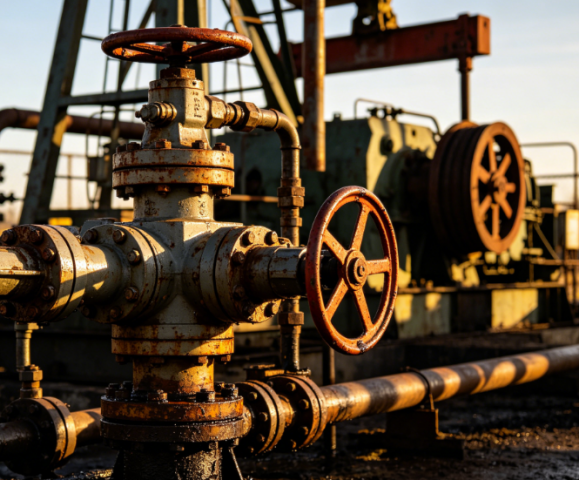
Using Multi-Layered Sealing Structures to Isolate Fluids
Wellhead equipment needs to maintain a stable sealing state under complex pressure environments.
- Multi-layered isolation of the tubing, casing, and annulus is achieved through the combined use of metal and rubber sealing components.
- Different sealing layers can disperse pressure effects, reduce the risk of localized leaks, and improve overall sealing reliability.
This structural design effectively ensures the safe operation of the wellhead.
Relying on High-Strength Components to Withstand Well Pressure
Wellheads are exposed to high-pressure environments for extended periods, requiring high equipment strength.
- The wellhead equipment is constructed from high-strength alloy materials, capable of withstanding significant well pressure and external impacts.
- It maintains structural stability even under high-pressure conditions, preventing seal failure due to deformation.
This pressure-bearing capacity is a crucial foundation for stable sealing.
Enhancing overall sealing performance through seamless connections
The wellhead system comprises multiple components working together, making connection stability critical.
- Casing heads, pipe heads, and Christmas trees are tightly connected via standard interfaces, minimizing gaps.
- A well-designed connection structure prevents vibration or misalignment from affecting the seal.
This connection method enhances the overall stability of the wellhead system.
Achieving dynamic pressure control in conjunction with the well control system
Sealing depends not only on structural design but also on pressure control capabilities.
- The wellhead equipment can work in conjunction with the well control system to regulate well pressure, maintaining it within a safe range.
- It responds quickly to abnormal conditions, reducing the impact of sudden pressure changes on the sealing structure.
This dynamic control capability improves the continuous stability of the wellhead seal.
In modern oil and gas development engineering, wellhead sealing is no longer merely the function of a single component but the result of the coordinated operation of the entire wellhead system. From multi-layered sealing structures and high-strength pressure-bearing designs to connection stability and dynamic pressure control, every aspect directly impacts wellhead safety. Continuously optimizing wellhead equipment performance allows the system to operate stably under complex conditions, providing more reliable safety guarantees for drilling and oil production operations.