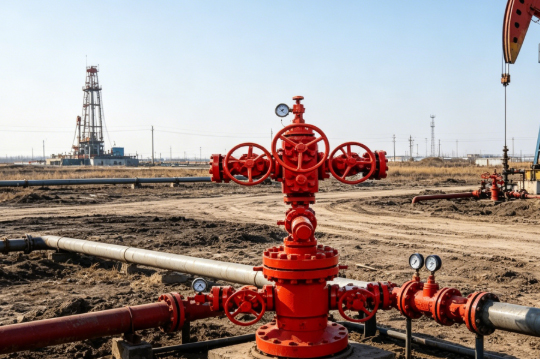
A wellhead Christmas tree (or wellhead tree assembly) is a key piece of equipment in the oil and gas wellhead control system, typically forming a well control safety barrier together with a Blowout Preventer. Its function is to control the flow and pressure of the oil and gas well, and to provide testing, injection, production, and emergency shutdown functions. Due to its long-term exposure to high pressure, corrosive media, and complex operating conditions, proper maintenance and inspection are crucial for safe production.
The Role of Wellhead Christmas Tree Equipment
- What is a Christmas tree?
A wellhead Christmas tree (or wellhead tree) is a valve assembly system installed at the oil and gas wellhead to control the production and shutdown of fluids within the well. Its name comes from its layered structure, resembling a Christmas tree. It is usually installed on the casing head and tubing head, working in conjunction with the wellhead Blowout Preventer to replace temporary well control equipment during the production phase, achieving long-term safe control. Its core functions include: controlling flow, isolating pressure, providing pressure testing ports, and emergency shutdown capabilities; it is the “control center” of the oil and gas production system.
- Main Components of the Equipment
A typical Christmas tree consists of several key components, including the main valve, wing valves, throttle valves, pressure gauge ports, and safety valves. The main valve is responsible for overall on/off control, the wing valves are used for lateral flow control, the throttle valves are used to regulate production, and the test port is used for pressure monitoring. These components together form a multi-layered safety control system; failure in any part can affect the overall safe operation.
Wellhead Equipment Maintenance and Inspection Procedures
- Well Shutdown and Pressure Release Procedures
Before performing maintenance, the standard well shutdown procedure must be executed to ensure complete release of wellhead pressure. The procedure typically includes closing the main valve, isolating the production line, releasing residual pressure, and confirming that the pressure gauge reading is zero. This step must be strictly performed according to well control operating procedures, as any residual high pressure can pose a serious safety risk. Maintenance personnel must also confirm that the upstream Blowout Preventer is in a safe condition to prevent the risk of a blowout.
- Initial Visual and Functional Inspection Procedures
With the equipment depressurized, a visual inspection is first performed, including checking the valve bodies for corrosion, cracks, or signs of leakage. Then, test the opening and closing status of each valve one by one to confirm whether the handwheel operates smoothly and whether the seal is good. Simultaneously check whether the pressure gauge is at zero and whether there is any blockage or damage at the interfaces. This step is mainly used to determine if there are any obvious abnormalities in the equipment, providing basic data for subsequent in-depth inspections.
- Functional Testing and Sealing Verification
After completing the basic checks, functional testing is required, including opening and closing each valve one by one to confirm normal responsiveness. Simultaneously, a sealing test is performed, checking for leaks in the valve body and connections by applying pressure. If an abnormal pressure drop is found, it needs to be immediately marked and the maintenance process initiated. This stage is a critical step to ensure the equipment can be put back into production.
How to Maintain a Christmas Tree?
Valve Sealing Performance Testing
The core safety point of a wellhead Christmas tree lies in the sealing system, including metal seals and elastic seal structures. During testing, focus should be placed on valve seat wear, the aging of the sealing rings, and leakage under high pressure. For equipment that has been operating for a long time, even small leaks can expand under high pressure; therefore, pressure holding tests are needed for accurate assessment. Good sealing performance is an important guarantee against wellhead runaway.
Corrosion and Erosion Control
Oil and gas media typically contain H₂S, CO₂, and particulate matter, all of which can cause corrosion and erosion of wellhead equipment. This is especially true for throttle valves and wing valves, where large flow velocity variations easily lead to erosion wear. Therefore, during maintenance, it is crucial to carefully inspect the inner wall of the flow channel for thinning, pitting, or crack propagation, and determine whether to replace components based on the degree of wear.
Torque and Operating Force Control
During maintenance and reset, the operating torque of valves must conform to the standard range. Excessive torque may indicate internal scaling or mechanical jamming; insufficient torque may indicate structural loosening or wear. Therefore, calibration using a standard torque tool is necessary to ensure each valve operates within its design range, thereby avoiding misoperation or structural damage.
What are the material requirements for high-pressure wellhead equipment?
- Valve Body Material Selection
Wellhead Christmas tree valve bodies are typically made of high-strength alloy steel, such as low-alloy steel or stainless steel, to withstand high pressure and corrosive environments. In sulfur-containing oil and gas wells, sulfur-resistant materials are also required to prevent sulfide stress cracking. These materials must possess not only high strength but also good toughness to withstand pressure fluctuations and temperature changes.
- Sealing Material Selection
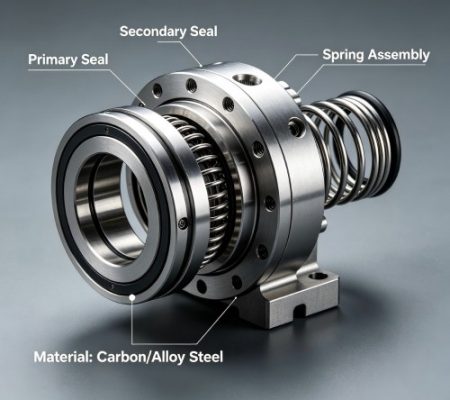
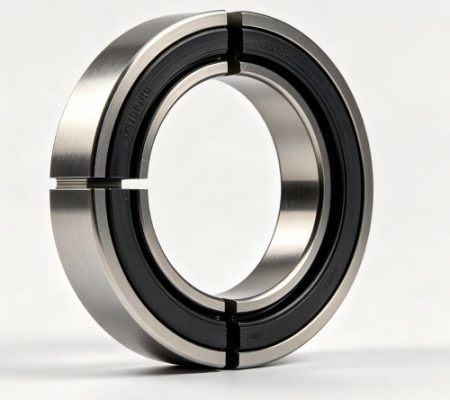
Seals are typically made of fluororubber (FKM), polytetrafluoroethylene (PTFE), or high-performance elastomers. These materials offer excellent oil resistance, high-temperature resistance, and chemical corrosion resistance. Under high-pressure conditions, metal-non-metal composite sealing structures may be used to improve sealing reliability and service life.
- Wear-Resistant Materials for Internal Flow Channels
For throttling and high-speed fluid areas, hardened alloy coatings or wear-resistant bushings are typically used to reduce erosion damage. For example, tungsten carbide coatings can significantly improve wear resistance, thereby extending equipment lifespan. The choice of these materials directly affects the stability of the equipment during long-term production.
Common Questions
“How often should the wellhead Christmas tree be inspected for safety?”
This is one of the most frequently asked questions in the field. Generally, the frequency of inspections depends on well conditions and production intensity, but periodic inspections are usually recommended, such as daily visual inspections, monthly functional tests, and annual comprehensive overhauls. For high-pressure or sulfur-containing wells, the inspection frequency needs to be higher. Furthermore, any abnormalities (such as minor leaks or operational malfunctions) should be addressed immediately, rather than waiting for periodic inspections. Another common question is: “The equipment looks fine, does it still need to be disassembled and inspected?” The answer is yes. Many internal wear and seal aging issues cannot be directly assessed by the naked eye and must be confirmed through pressure testing or professional inspection methods.
The wellhead Christmas tree equipment acts like a “control switch” for oil and gas wells, controlling whether oil and gas flow out, how much flow, or whether it is completely shut off. It operates under high pressure and a complex environment for extended periods, so safety cannot be judged solely by whether it “looks fine”; regular inspection and maintenance are necessary. The core of maintenance boils down to three things: first, check for leaks and damage; second, test the switches to ensure they function smoothly; and third, use pressure testing to confirm it can truly withstand the pressure. If all these are normal, the equipment can continue to be used with confidence. Furthermore, because the wellhead environment is extremely harsh, ordinary steel cannot withstand it for long periods; it requires a combination of pressure-resistant, corrosion-resistant, and wear-resistant materials. For on-site operations, the most important thing is not complex procedures, but standardized processes: first depressurize, then inspect, then test, and finally confirm safety. Many accidents are not due to sudden equipment failure, but rather to omitted maintenance steps or insufficient inspection.