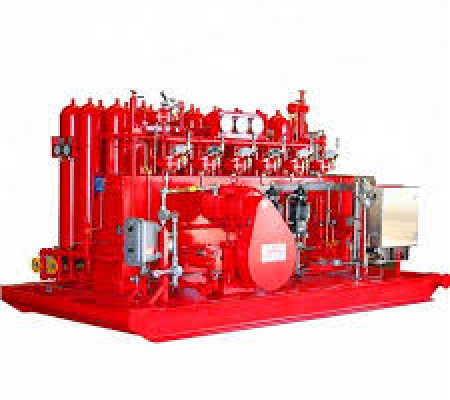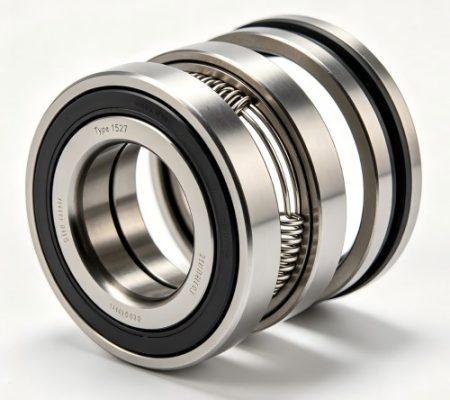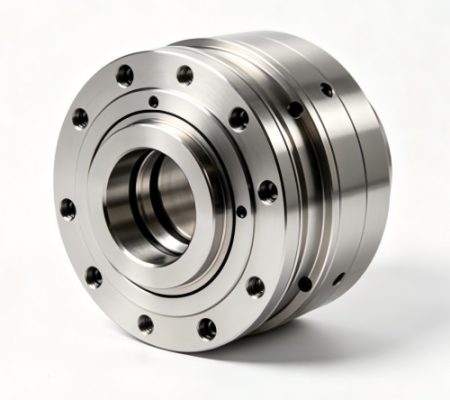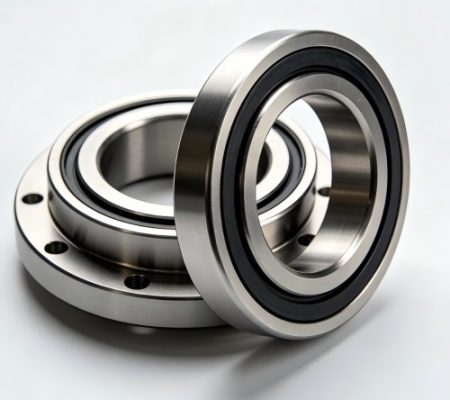
In oil and gas drilling projects, well control equipment (BCO) plays a crucial role in pressure control, blowout prevention, and safety management. Its performance directly impacts construction safety and overall operational efficiency. Due to significant differences in well type, formation conditions, and construction environment, the selection of BCO requires comprehensive consideration of multiple factors. If equipment parameters do not match the site conditions, it can not only affect normal construction but also increase the risks of blowouts and leaks. Appropriate BCO selection not only improves system stability but also enhances subsequent maintenance and operational efficiency, making it of great importance in drilling projects.
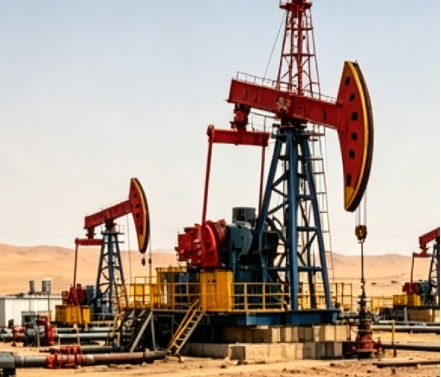
Selecting the Appropriate Pressure Rating Based on Well Conditions
Different formation environments require different pressure ratings for BCO.
- During selection, the required pressure rating must be determined by considering well depth, formation pressure, and fluid properties.
- Insufficient pressure rating can easily lead to operational risks, while excessively high parameters may increase unnecessary costs.
Appropriately matching the pressure rating can improve equipment operational safety.
Focusing on Equipment Sealing Performance and Stability
Well control systems operate under high pressure for extended periods, making sealing performance extremely critical.
- Equipment with reliable sealing structures should be selected to minimize oil and gas leakage and pressure loss.
- Equipment must maintain stable operation even under frequent operation and complex environments to prevent malfunctions from affecting construction.
Good sealing and stability contribute to ensuring overall well control effectiveness.
Consider equipment compatibility and ease of operation
Well control equipment typically needs to be used with multiple systems.
- During selection, it should be confirmed whether the equipment interfaces, specifications, and structure are compatible with existing drilling systems.
- Equipment with simple operation procedures and easy maintenance reduces on-site operational difficulty and improves construction efficiency.
This compatibility and ease of use are of significant value for long-term use.
Emphasis on material quality and environmental adaptability
Complex operating conditions place higher demands on equipment material performance.
- Well control equipment needs to possess good pressure resistance, corrosion resistance, and impact resistance to adapt to harsh environments.
- It should maintain stable performance and a long service life under high temperature, high pressure, or corrosive media conditions.
This environmental adaptability enhances the overall reliability of the equipment.
In actual drilling projects, the selection of well control equipment is crucial to construction efficiency and directly impacts on-site safety and subsequent operational stability. From pressure rating and sealing performance to system compatibility and material quality, each aspect requires comprehensive judgment based on actual working conditions. A scientifically sound selection process ensures stable operation of the well control system in complex environments, while reducing maintenance and accident risks, providing more reliable safety assurance for drilling projects.