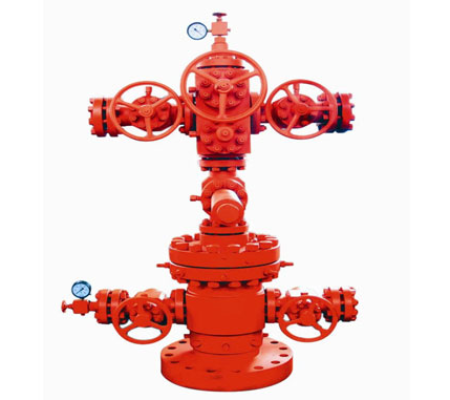
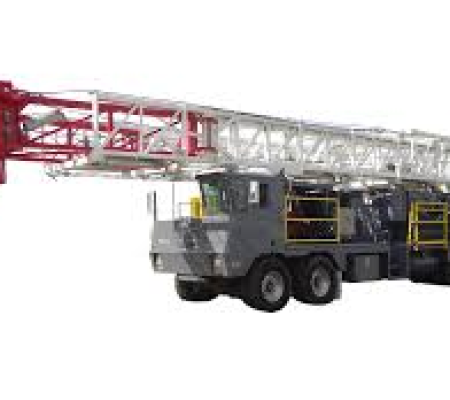
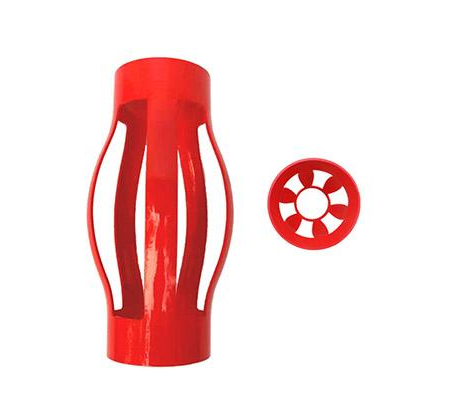
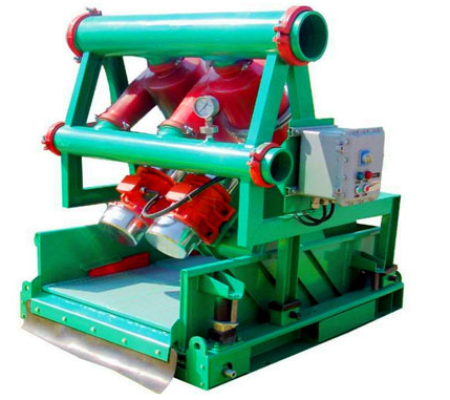
In oil and gas drilling and wellhead operations, wellhead tools are subjected to high loads, high wear, and complex operating conditions for extended periods. Their lifespan impacts construction costs and directly affects operational safety and efficiency. Improper maintenance or incorrect use can easily lead to premature tool damage or performance degradation. Extending the lifespan of wellhead tools depends not only on the quality of the materials themselves but also on daily operating procedures, maintenance, and matching with operating conditions. Scientific management and proper use can significantly improve the stability and durability of tools, enabling them to maintain good performance during long-term, high-intensity operations.
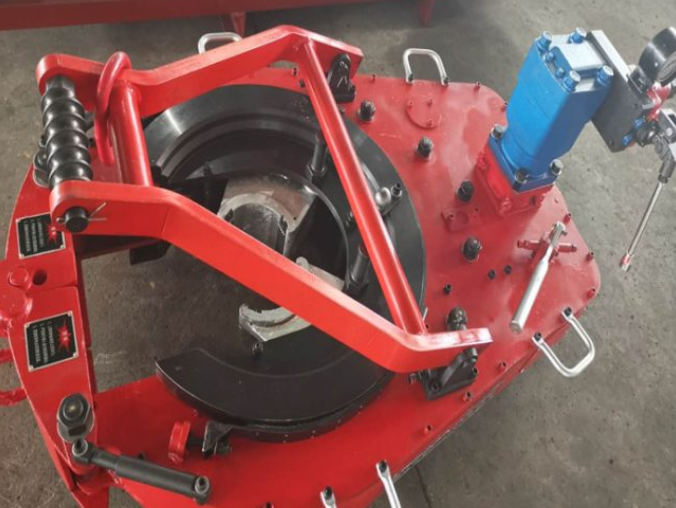
Standardized Operating Procedures to Reduce Human-Induced Damage
During the use of wellhead tools, the standardization of operation directly affects the degree of wear.
- Follow standard procedures for installation and disassembly, avoiding forceful impacts or improper stress that could cause structural damage.
- Control operating force appropriately to reduce the impact of impact loads on tool connections.
This standardized operation can effectively reduce the risk of premature damage.
Strengthening Daily Maintenance and Regular Inspections
Regular maintenance is a crucial aspect of extending tool life.
- Periodicly inspect wellhead tools to promptly detect problems such as wear, cracks, or loosening.
- Lubricate and clean critical components to reduce friction and corrosion.
This maintenance method ensures long-term stable tool operation.
Select appropriate operating conditions and correctly match equipment
Different operating environments have different performance requirements for tools.
- Select the appropriate model based on well depth, pressure, and operation type to avoid overloading.
- Ensure wellhead tools are compatible with other equipment specifications to reduce uneven stress.
Proper matching can significantly extend equipment lifespan.
Improve the storage environment to prevent corrosion and aging
Storage conditions are equally important for tool lifespan.
- Avoid prolonged storage in humid, high-temperature, or corrosive environments to reduce material oxidation and corrosion.
- After use, promptly clean oil and impurities and perform rust prevention treatment.
Good storage habits help maintain stable tool performance.
In actual wellhead operations, tool lifespan is not determined by a single factor but is influenced by operating methods, maintenance levels, operating condition matching, and storage conditions. Through standardized use and scientific management, equipment wear can be significantly reduced, operational stability improved, and replacement and maintenance costs reduced. For wellhead operation systems that operate under high intensity for extended periods, extending tool life is not only an economic necessity but also a crucial foundation for ensuring safe production.