In drilling engineering, well control systems are a core component of operational safety, and the kill manifold, as an important part of the well control equipment, plays a key role in controlling wellhead pressure and handling abnormal conditions. Especially in high-pressure formations or complex geological environments, once risks such as influx or blowout occur, the kill manifold provides a stable channel for drilling fluid circulation and pressure control, thereby effectively reducing accident risks. Therefore, understanding the role of the kill manifold in well control is of great significance for improving overall drilling safety.
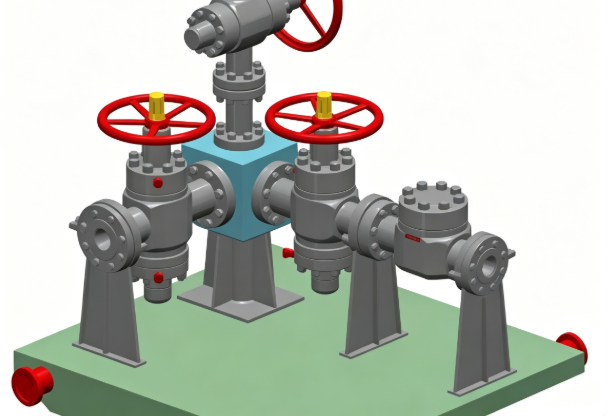
Basic Functions and Structural Role of the Kill Manifold
The kill manifold is a critical manifold device used in well control systems to guide and regulate high-pressure fluids, and its structural design directly affects pressure management performance.
- Acts as a transport channel for drilling fluid and kill fluid, ensuring stable injection into the well
- Allows rapid switching of flow paths under abnormal conditions to control wellhead pressure
- Uses multiple valve assemblies to regulate flow under different working conditions
- Works with blowout preventer systems to enhance overall well control capability
Its core function is to establish a controllable high-pressure fluid management channel.
Key Role in Blowout Prevention
Before a blowout risk occurs, the kill manifold serves as an important preventive and control tool within the system.
- When formation pressure becomes abnormal, weighted drilling fluid can be quickly injected for balance control
- Helps reduce pressure fluctuations at the bottom of the well and prevents sudden influx into the wellbore
- Provides a stable circulation path to maintain continuous well control system operation
- Works with monitoring equipment to enable rapid response to abnormal pressure
In the preventive stage, it is a critical guarantee for system stability.
Core Application in Blowout Handling
When a blowout or influx has already occurred, the role of the kill manifold becomes even more critical.
- Quickly establishes a kill circulation path to control formation fluid outflow
- Gradually restores wellbore pressure balance by injecting kill fluid
- Works with choke manifolds to adjust back pressure for safe control
- Provides multiple fluid control pathways in emergency situations
- Improves response efficiency and reduces risk of accident escalation
It plays an irreplaceable role in emergency control.
Synergy with Other Well Control Equipment
The kill manifold does not operate independently; it is a key coordination node in the well control system.
- Works with blowout preventer systems to achieve wellhead sealing and pressure control
- Cooperates with choke manifolds for pressure regulation and flow control
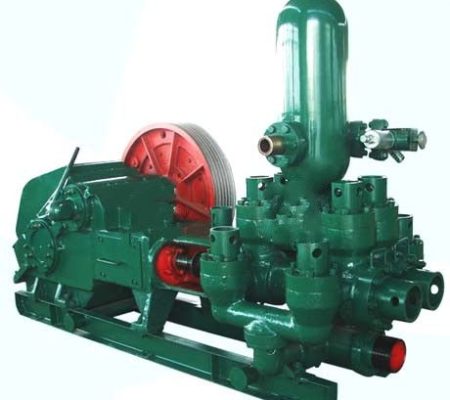
- Connects with mud pump systems to ensure stable kill fluid delivery
- Integrates with monitoring systems for real-time pressure feedback and adjustment
System synergy determines overall well control performance.
Importance in Improving Drilling Safety and Efficiency
In modern drilling operations, the kill manifold not only handles emergencies but also contributes to overall efficiency.
- Improves well control response speed and reduces accident handling time
- Enhances safety in high-pressure formation drilling
- Reduces economic losses and environmental risks caused by blowouts
- Improves continuous operation capability in complex geological conditions
- Optimizes drilling workflow and enhances operational stability
Safety and efficiency are improved simultaneously in well control systems.
As a key component of well control systems, the kill manifold plays a vital role in drilling engineering safety. From pressure control to blowout prevention, from emergency response to system coordination, it is involved in multiple stages of well control operations. As drilling projects continue to move toward deeper and more complex formations, the requirements for well control systems are increasing, making the performance and reliability of kill manifolds even more critical. In the future, with the development of intelligent well control technologies, kill manifolds will be further integrated with automated control systems, providing safer, more efficient, and more reliable support for modern drilling engineering.