Cement plugs are common downhole tools in oil and gas well construction, primarily used for plugging, isolating, and controlling downhole fluid flow. Due to their excellent sealing performance and stability, they are widely used in drilling, well workover, and well abandonment operations. Different construction environments have different requirements for cement plugs, necessitating the selection of the appropriate type based on well depth, pressure, and operational objectives.
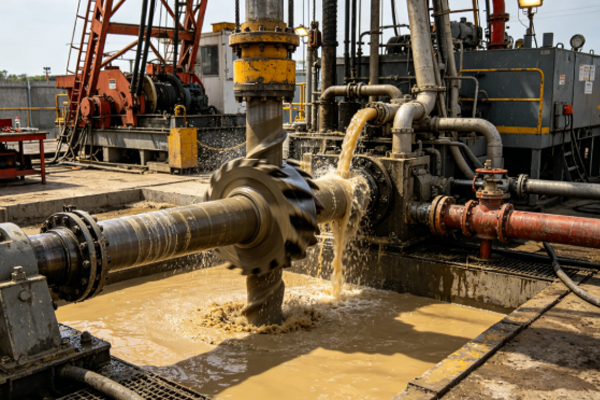
Cement plugs are commonly used for isolation in plugging operations.
In downhole plugging operations, cement plugs form a stable isolation layer to block fluid pathways or seal specific well sections. During construction, cement slurry is typically pumped to the designated location, where it solidifies to form a robust barrier.
This operation is commonly used for high-pressure layer isolation, lost circulation layer plugging, and handling abnormal well sections. After solidification, cement plugs exhibit strong stability, reducing the risk of inter-layer fluid cross-flow and improving overall wellbore safety. For well sections requiring long-term isolation, cement plugs also maintain a relatively stable sealing effect.
Use in Downhole Workover Operations
During well workover, cement plugs are frequently used to adjust downhole structures or address malfunctions.
- Sealing damaged sections to reduce fluid leakage
- Isolating abnormal formations to maintain downhole stability
- Providing a support foundation for sidetracking operations
- Repairing wellbore issues to reduce risk
- Addressing downhole crossflow
In complex workover environments, cement plugs can help restore wellbore functionality and improve subsequent construction efficiency.
Cement Plugs as a Foundation for Sidetracking Operations
Sidetracking operations typically require drilling through a new window in the existing wellbore, and cement plugs can serve as a stable support layer. During construction, cement plugs are first installed in the well, and then their strength is used for directional window drilling.
Because cement plugs form a relatively stable support structure, they help maintain tool stability and reduce deviation during sidetracking. Cement plugs have high application value in the construction of old wells for refurbishment or wellbore adjustment operations.
Well Sealing Operations Rely on Cement Plugs for Isolation
When oil and gas wells reach the end-of-life stage, well sealing operations are necessary to prevent underground fluid leakage, and cement plugs are a crucial tool in this process.
- Prevent long-term flow of oil and gas layers
- Reduce the risk of groundwater pollution
- Seal abandoned well sections to maintain safety
- Improve the long-term stability of the wellhead
- Meet downhole environmental requirements
Multiple cement plugs are typically installed during well abandonment to ensure long-term isolation between different formations.
Cement Plugs are also suitable for special downhole environments
In high-temperature, high-pressure, or complex formation environments, cement plugs also have strong adaptability. By adjusting the cement slurry formula and construction process, different well conditions can be met, improving sealing stability.
For well sections with severe leakage or unstable well walls, cement plugs can enhance downhole support and reduce construction risks. In deep wells and wells with complex structures, the proper use of cement plugs can also improve overall operational safety and create more stable conditions for subsequent construction.