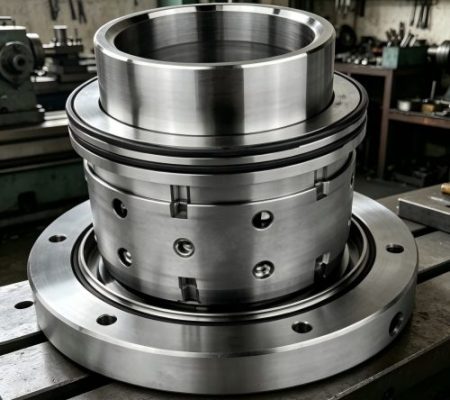
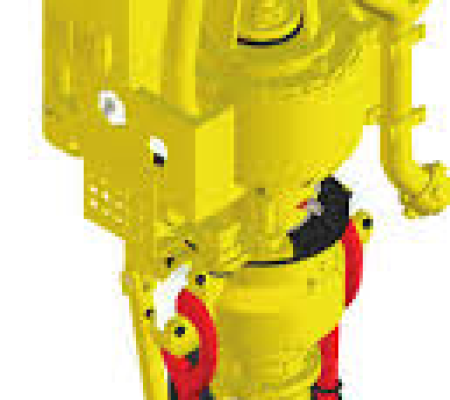
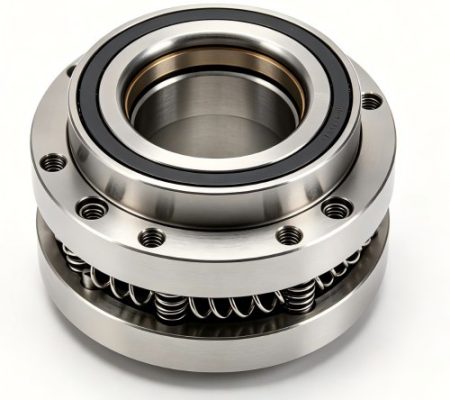
A cement head is a key piece of equipment in oil and gas drilling cementing operations. It is mainly installed at the top of the casing and connects the surface pumping system and the downhole casing system. During cementing, cement slurry needs to accurately enter the wellbore according to design requirements to complete drilling fluid replacement and annular sealing. The cement head is a crucial tool for achieving this process. By controlling fluid delivery and plug release, the cement head ensures smooth cementing operations, improves wellbore sealing quality, and enhances subsequent production safety.
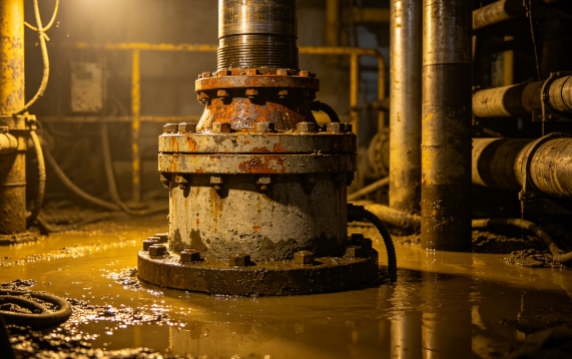
Cement Head Achieves Fluid Delivery Through the Connection System
The starting point of the cement head’s operation is establishing a connection channel between the surface equipment and the downhole casing. Once cementing operations begin, a high-pressure pump delivers cement slurry from the mixing equipment to the cement head, which then flows into the casing through internal channels. Throughout the delivery process, the cement head needs to withstand high pressure while maintaining stable fluid flow to prevent leakage or pressure loss. Due to the high requirements for flow and pressure control in cementing operations, the internal structure of the cement head typically employs a high-strength design and is equipped with a reliable sealing system. This ensures that the cement slurry is delivered to the designated location along the predetermined route, improving construction stability.
Cement Head Uses Rubber Plugs for Fluid Isolation
During cementing, different fluids need to be effectively separated to prevent mixing and affecting the cementing effect. The rubber plug system is achieved through the cement head for release and control.
- The lower rubber plug isolates the drilling fluid from the cement slurry.
- The upper rubber plug isolates the cement slurry from the displacement fluid.
- The rubber plug pushes the cement slurry towards the bottom of the well.
- Prevents mixing and contamination of different fluids.
- Improves replacement efficiency and cementing quality.
Through the combined use of rubber plugs and the cement head, the entire cementing process can be completed according to the designed sequence, ensuring more accurate and reliable construction at each stage.
Pressure Transmission Aids in Completing Cementing Construction
Pressure control is a crucial aspect of the cement head’s operation. After the cement slurry enters the casing, the surface pump continuously provides pressure to push the fluid downwards. During this process, the cement head not only performs the delivery function but also is responsible for stably transmitting pressure to the downhole system. When the rubber plug reaches the designated position, the construction personnel can determine whether the plug is in place by observing pressure changes. For example, after the upper and lower rubber plugs come into contact, the system pressure usually changes significantly, providing on-site operators with a basis for judgment. This pressure feedback mechanism helps construction personnel grasp the construction progress and improve the accuracy of cementing control.
Differences in Working Methods of Different Types of Cement Heads
Depending on construction requirements, the structures of cement heads used on-site also differ.
- Single-plug cement heads are suitable for simple cementing operations.
- Double-plug cement heads are suitable for standard cementing operations.
- High-pressure cement heads are suitable for deep well environments.
- Quick-install cement heads shorten installation time.
- Special cement heads meet the needs of complex well conditions.
Although the structures differ, the core principles are basically the same: all complete the cementing task through fluid delivery, rubber plug control, and pressure transmission.
Sealing System Ensures Construction Safety and Stability
The long-term application of cement heads in high-pressure construction environments is closely related to their sealing system. During construction, if leakage occurs at the connection points, it will not only waste cement slurry but may also affect the cementing quality. To ensure the normal operation of the equipment, cement heads typically use pressure-resistant sealing rings, locking mechanisms, and high-strength connection structures. Good sealing performance ensures that all fluid enters the designated channel, improving construction efficiency. It also reduces the risk of equipment failure and ensures operational safety under high-pressure conditions. For deep wells, ultra-deep wells, and complex well construction, a reliable sealing system is a crucial foundation for successful cementing.