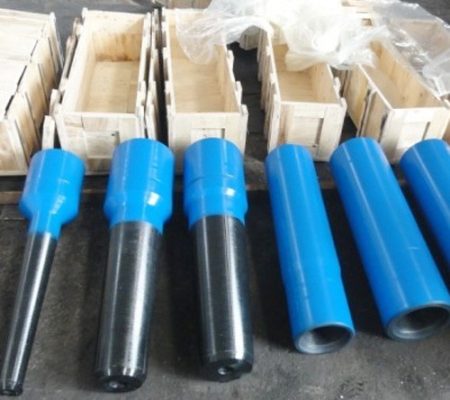
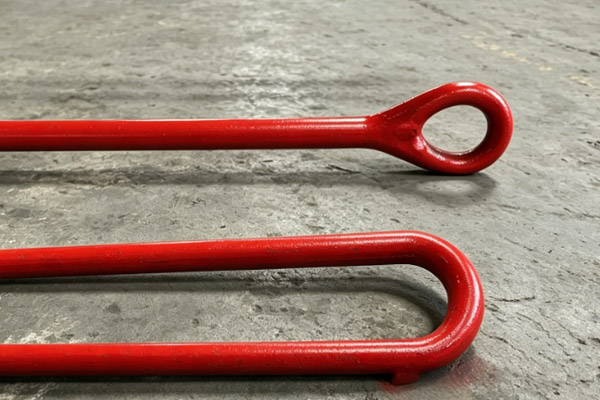
In oil and gas drilling operations, the stability of the wellhead hoisting system directly affects hoisting safety and construction efficiency, especially under high-load conditions such as drill string tripping and casing hoisting, where the reliability requirements for connecting components are even higher. The elevator connection, as a key load-bearing component in the wellhead hoisting system, is mainly used to connect the lifting clamps and hoisting equipment, achieving stable hoisting of the drill string or casing and safe load transfer. It is optimized in terms of load-bearing capacity, connection stability, and impact resistance, thus playing a crucial role in the wellhead hoisting system.
Stable Connection Structure, Improved Overall Load-Bearing Capacity
Load-bearing stability is critical during wellhead hoisting. The elevator connection adopts a high-strength integrated structural design, allowing the hoisting load to be evenly distributed throughout the overall structure, avoiding excessive local stress that could lead to deformation or instability. Simultaneously, this structure maintains stable performance even under long-term high-load operation, reducing the risk of fatigue damage, thereby improving overall load-bearing capacity and operational safety.
Optimized Force Transfer, Reduced Hoisting Sway
Uneven force distribution during hoisting can easily lead to equipment sway.
- The elevator connection enables stable load transfer between upper and lower equipment, reducing impact.
- The rigid structural design reduces sway and vibration during hoisting.
- Stable stress distribution also improves the controllability and safety of wellhead operations.
This optimized stress distribution enhances hoisting stability.
Improved connection precision and enhanced system synergy
Wellhead hoisting requires the coordinated operation of multiple devices.
- Standardized connection interfaces allow for more precise matching between the elevator, hoisting clamps, and lifting equipment.
- Good compatibility reduces installation errors and improves operational efficiency.
- System synergy enhances the continuity of the overall hoisting process.
This synergistic advantage improves on-site operational efficiency.
Adapting to complex working conditions and ensuring continuous stable operation
Drilling site environments are complex and place high demands on equipment.
- The elevator connections use high-strength, wear-resistant materials, capable of withstanding high-load, frequent operations.
- It maintains stable performance even under high temperature, high pressure, and harsh environments.
- Good impact resistance extends equipment lifespan and reduces maintenance frequency.
This adaptability ensures long-term hoisting stability.
In modern drilling engineering, elevator connections are not only fundamental components of the hoisting system but also crucial links in ensuring the safety and efficiency of wellhead hoisting. From structural load-bearing and stress optimization to system coordination and environmental adaptation, their role permeates the entire hoisting process. Through proper selection and standardized use, hoisting stability can be effectively improved, providing more reliable support for oil and gas development projects.