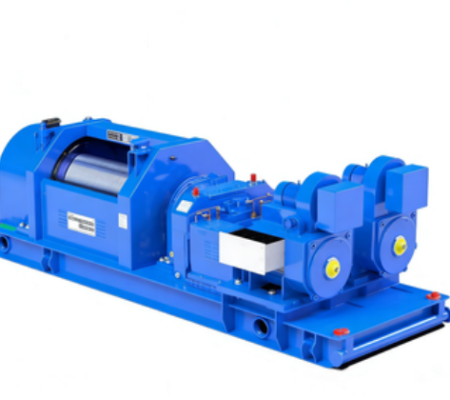
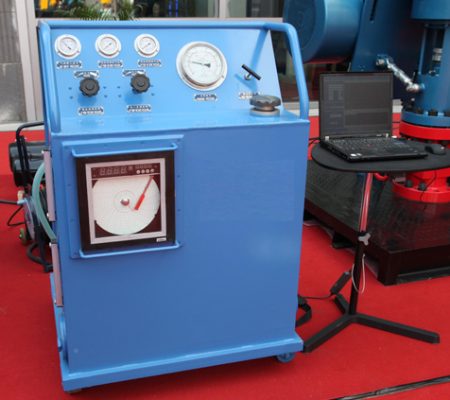
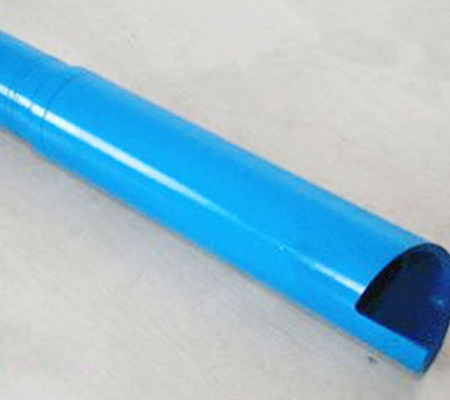
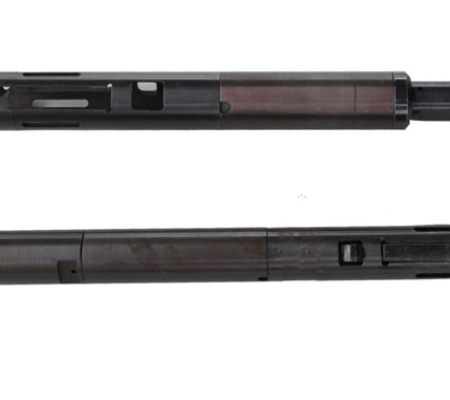
In oil and gas drilling, blowouts are one of the most critical safety risks to prevent. When the formation pressure downhole exceeds the wellbore pressure, oil and gas can rapidly enter the wellbore. If not controlled promptly, this can easily lead to a blowout, affecting not only the drilling progress but also potentially threatening personnel safety and equipment stability. Therefore, a robust well control system is crucial for drilling operations. The blowout preventer (BOP), as the core equipment in the well control system, plays a vital role in sealing the wellhead, controlling pressure, and preventing oil and gas leakage. Modern BOPs have continuously improved in sealing performance, response speed, and pressure resistance, providing reliable protection against blowout risks.
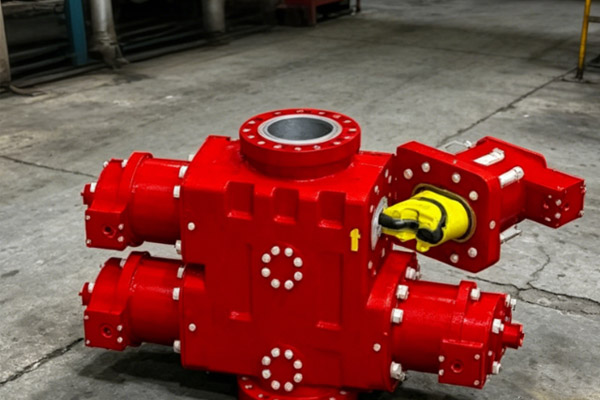
Rapid Wellhead Sealing to Prevent Oil and Gas Leakage
Timely well sealing is a crucial measure for controlling blowout risks.
- BOPs can quickly close the wellhead passage in the event of abnormal pressure, preventing further oil and gas leakage.
- A rapid response mechanism helps shorten incident handling time and reduces the possibility of risk escalation.
- Stable well sealing capability buys valuable time for subsequent well control measures.
This rapid sealing capability is one of the key functions of a BOP.
Maintaining Pressure Balance and Enhancing Well Control Capabilities
Pressure management is a crucial aspect of blowout prevention. Blowout preventers (BOPs) work in conjunction with drilling fluid circulation systems and other well control equipment to effectively control wellhead pressure, reducing the impact of abnormal pressure fluctuations. When a blowout or pressure change occurs downhole, the BOP can promptly establish a sealed environment, creating conditions for pressure regulation and maintaining pressure balance inside and outside the wellbore. Stable pressure control not only reduces the probability of a blowout but also helps ensure the continuous and stable operation of drilling.
Improving Emergency Response Efficiency and Reducing Accident Impact
Rapid action is required in the event of an emergency.
- Blowout preventers support hydraulic control systems, increasing the speed of well sealing actions.
- Automated control reduces manual operation time and improves response efficiency.
- Rapid emergency response helps reduce equipment damage and production losses.
This emergency capability enhances the overall level of the well control system.
Adapting to Complex Conditions and Ensuring Continuous Safe Operation
The drilling environment is complex, placing high demands on equipment performance.
- Blowout preventers are manufactured using high-strength, pressure-resistant materials, enabling them to withstand high-pressure and high-temperature conditions.
- A stable structural design ensures reliable operation during continuous work.
- Good wear resistance helps extend equipment life and reduce the risk of failure.
This adaptability to various operating conditions improves long-term operational safety.
In modern drilling operations, blowout preventers (BOPs) are not only an important component of the well control system but also a key safety device for mitigating blowout risks. From rapid well sealing to pressure control, emergency response, and adaptation to complex environments, their role covers the entire drilling safety management process. Through scientific selection, standardized maintenance, and proper use, well control capabilities can be further enhanced, creating a safer and more stable operating environment for oil and gas development projects.