High-temperature and high-pressure operating conditions are common in industries such as petroleum and petrochemicals, power generation, natural gas transportation, coal chemical processing, pharmaceuticals, metallurgy, and high-temperature thermal oil circulation systems. During operation, equipment must withstand not only elevated temperatures but also significant system pressures. If the sealing system cannot operate reliably, the consequences may range from medium leakage and equipment downtime to serious safety incidents and environmental pollution.
What Is a Mechanical Seal in High-Temperature and High-Pressure Applications?
The Role of Mechanical Seals in Industrial Equipment
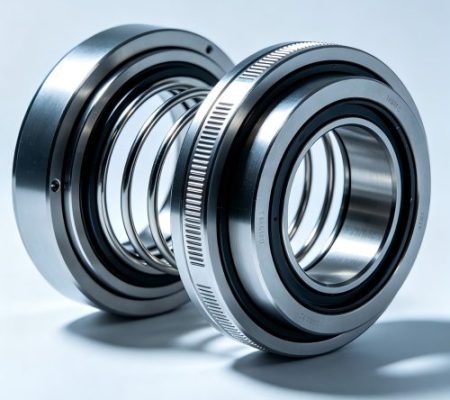
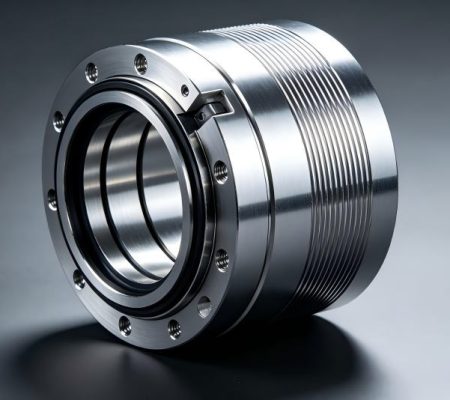
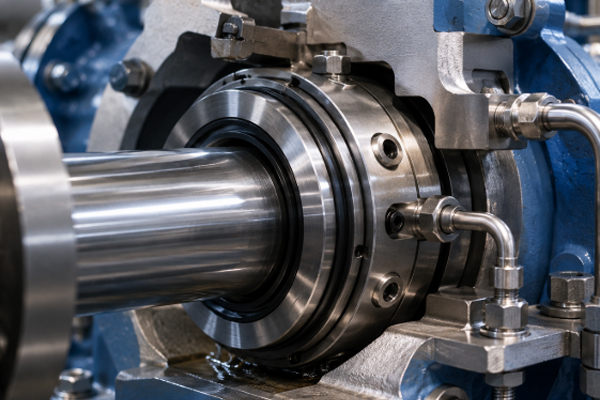
A mechanical seal is a device that creates a sealing interface through the close contact of a rotating ring and a stationary ring. Its primary purpose is to prevent internal process media from leaking out of the equipment while also preventing external air from entering the system and disrupting the production process.Under normal operating conditions, some equipment may use packing seals or other simple sealing methods. However, when medium temperatures exceed 150°C and pressures exceed 1.6 MPa or higher, conventional sealing methods often experience increased wear, higher leakage rates, and more frequent maintenance requirements. Mechanical seals, through precision engineering, can provide a more stable and reliable sealing solution.In high-temperature and high-pressure environments, mechanical seals not only prevent leakage but also help maintain equipment efficiency, reduce medium loss, and improve operational safety. As a result, they are widely used in industrial equipment.
What Requirements Do High-Temperature and High-Pressure Conditions Place on Sealing Systems?
High-temperature and high-pressure conditions affect sealing systems in multiple ways:High temperatures cause thermal expansion of sealing materials.
- High pressures increase sealing face contact loads.
- Temperature fluctuations may cause seal deformation.
- High-speed operation intensifies frictional heat generation.
- Corrosive media can shorten material service life.
Pressure fluctuations may lead to seal failure.In such environments, sealing systems must possess excellent temperature resistance, pressure-bearing capability, and operational stability. Therefore, high-temperature and high-pressure equipment typically requires specially designed mechanical seal solutions rather than standard sealing structures.
Why Are Mechanical Seals Needed in High-Temperature and High-Pressure Applications?
Under high-temperature and high-pressure conditions, process media are often flammable, explosive, toxic, or highly valuable. Any leakage may result not only in product loss but also in risks to personnel safety and environmental protection.
For example:
- Leakage of high-temperature heat transfer oil may cause fire hazards
- Natural gas leakage presents explosion risks
- Leakage of chemical raw materials may cause environmental contamination
Steam leakage may lead to equipment damage.Through precision-engineered sealing face structures, mechanical seals can effectively minimize leakage and improve equipment safety levels.
As industrial environmental standards continue to become more stringent, many industries now impose strict requirements on equipment leakage rates.
Mechanical seals offer several advantages:
- Controlled micro-leakage design
- Compliance with environmental regulations
- Reduced VOC emissions
- Prevention of hazardous medium leakage
Improved sustainability and green manufacturing performanceAs a result, high-temperature and high-pressure applications are increasingly adopting mechanical seal solutions in modern industrial production.
How Do Mechanical Seals Achieve Stable Operation in High-Temperature and High-Pressure Conditions?
Seal Selection Process
In practical engineering applications, mechanical seals cannot simply be installed and used directly. A systematic selection process is required.
The main steps include:
- Operating Condition Verification
The following parameters must first be determined:Operating temperature range、Operating pressure range、Rotational speed、Medium characteristics、Viscosity.Corrosion levelThese parameters determine the appropriate seal structure and material selection.
- Seal Structure Design
Based on operating conditions, the following options may be selected:Single mechanical seal\Double mechanical seal\Balanced mechanical seal\Unbalanced mechanical seal.Cartridge mechanical sealFor high-pressure environments, balanced seal designs are generally preferred because they reduce face loading.
- Auxiliary System Configuration
To ensure long-term stable operation, auxiliary systems are often required, including:Flushing systems\Cooling systems\Barrier fluid systems\Pressure balancing systems.Heat exchange systemsAuxiliary systems are particularly important for high-temperature and high-pressure applications.
- Installation and Commissioning
During installation, special attention must be paid to:Axial positioning accuracy;Shaft alignment tolerance;Seal chamber cleanliness;Spring compression settings.Cooling pipeline flow conditionsAfter installation, trial operation should be conducted to monitor temperature rise, vibration, and leakage to ensure the equipment meets design requirements.
How Can High-Temperature and High-Pressure Mechanical Seals Achieve Long-Term Reliable Operation?
Proper Selection of Seal Materials
Material performance directly determines the service life of a mechanical seal.
Common sealing face materials include:
- Silicon carbide (SiC)
- Tungsten carbide
- Graphite
- Alumina ceramic
Carbon graphiteAmong these materials, silicon carbide offers outstanding wear resistance and high-temperature performance, making it one of the most widely used materials in high-temperature and high-pressure applications.
Secondary sealing materials commonly include:
- Fluoroelastomers (FKM)
- Perfluoroelastomers (FFKM)
- Polytetrafluoroethylene (PTFE)
Flexible graphiteDifferent material combinations are selected according to specific operating conditions.
The Importance of Thermal Management Technology
One of the greatest challenges in high-temperature environments is frictional heat accumulation.
If heat cannot be dissipated effectively, the following problems may occur:Seal face damage\Material degradation\Lubrication film breakdown\Increased thermal deformation.Therefore, modern mechanical seals commonly utilize:Cooling jacket designs\Circulating cooling systems\External flushing systems\Thermal balance structural designs.These thermal management technologies significantly improve sealing stability.
Pressure Balancing Design Technology
High pressure increases the contact force between sealing faces.
If not properly designed, it may result in:
- Rapid face wear
- Increased frictional power loss
- Premature seal failure
Balanced mechanical seals reduce face loading by optimizing the pressure-loaded area ratio, resulting in:Lower friction coefficients、Longer service life、Higher operational reliability.This is one of the primary reasons why mechanical seals are widely used in high-pressure equipment.
Operational Monitoring and Maintenance Management
Even when high-quality mechanical seals are selected, a comprehensive maintenance program remains essential.
Regular inspections should include:
- Leakage rate trends
- Cooling system condition
- Seal chamber temperature
- Equipment vibration levels
Bearing operating conditionsThrough preventive maintenance, seal service life can be significantly extended while reducing the risk of unexpected failures.
Cost-Related Questions
Is a Mechanical Seal Always Required for High-Temperature and High-Pressure Applications?
The answer is not absolute, but in most cases, a mechanical seal is strongly recommended.If equipment operates at elevated temperatures, high pressures, or handles hazardous or valuable media, a mechanical seal is usually the safer and more cost-effective option.Although packing seals have lower initial costs, under high-temperature and high-pressure conditions they are more likely to experience:
- Increased leakage rates
- Frequent maintenance requirements
- Higher energy consumption
Accelerated equipment wearMechanical seals can significantly improve sealing performance and operational reliability, especially in continuous production systems and critical process equipment.When selecting a sealing solution, companies should consider medium characteristics, operating parameters, safety requirements, and maintenance costs rather than focusing solely on purchase price.For long-term operation of high-temperature and high-pressure equipment, properly configured mechanical seals often provide a higher return on investment.High-temperature and high-pressure applications place extremely demanding requirements on equipment sealing systems. Conventional sealing methods often struggle to meet long-term expectations for safety, stability, and environmental compliance.With their superior sealing performance, low leakage rates, and excellent operational reliability, mechanical seals have become an essential component of modern industrial equipment.
Particularly in industries such as petrochemicals, energy, power generation, natural gas, and specialty chemicals, high-temperature and high-pressure mechanical seals have effectively become the standard configuration for critical equipment.Mechanical seals not only effectively control medium leakage but also reduce maintenance frequency, improve production efficiency, minimize downtime losses, and help companies comply with increasingly strict environmental regulations.However, fully realizing the advantages of mechanical seals requires more than just selecting the right product. Success also depends on proper seal selection, appropriate material combinations, well-designed auxiliary systems, and standardized installation and maintenance practices.