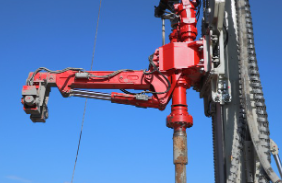
In oil and gas development and geological engineering, standardized operation procedures for drilling equipment are directly related to construction efficiency and operational safety. A clear and systematic workflow can reduce equipment failures, lower downhole risks, and improve overall project quality. Whether for shallow exploration or deep well development, mastering the correct operation of drilling equipment is a fundamental skill for engineers.
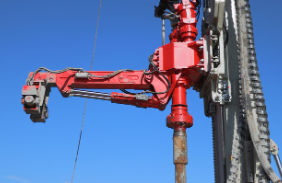
Pre-Drilling Equipment Inspection and Preparation
Before starting drilling operations, a comprehensive inspection is required, as even minor issues can impact safety and efficiency later.
- Check the power system to ensure diesel engines or electric motors start properly and deliver stable output, avoiding interruptions or insufficient power during operations.
- Inspect the hydraulic system for stable pressure and absence of leaks, unusual noise, or anomalies to prevent loss of control during drilling.
- Examine the drill rods and drill bits to ensure connections are secure and undamaged, reducing the risk of breakage or sticking.
- Verify the mud circulation system is clean, and pumps and pipes are functional to maintain stable wellbore pressure.
Equipment preparation is the foundation for safe drilling operations.
Equipment Start-Up and Alignment
After inspection, the next step is start-up and alignment, which ensures the equipment can enter drilling operations smoothly and maintain precision.
- Start the power system and perform a no-load test to confirm smooth operation without unusual vibrations or noise.
- Adjust the rig position so that the drill rod is vertically aligned with the wellbore, ensuring accurate drilling direction.
- Check the hoisting system for smooth operation and balanced load.
- Gradually apply load and monitor system response to avoid sudden high-pressure impacts.
Start-up and alignment directly affect subsequent drilling stability.
Drilling Process Operations
The drilling phase is the core of equipment operation, requiring continuous parameter monitoring and adjustments based on formation conditions to ensure smooth progress.
- Control drilling pressure and rotation speed, adjusting parameters for different formations to ensure rock-breaking efficiency and wellbore stability.
- Activate the mud circulation system to maintain bottom-hole pressure and remove cuttings.
- Monitor torque and pump pressure to detect anomalies and make timely adjustments.
- Periodically lift the drill string to clear cuttings and prevent blockages from affecting drilling efficiency.
The stability of drilling operations directly determines project quality.
Tripping Operations (Raising and Lowering Drill String)
Tripping is a frequent operation requiring high equipment safety standards and strict adherence to procedures to prevent accidents.
- Slowly lift the drill string to avoid impact loads that may damage the equipment.
- Control the lowering speed to ensure the drill rod enters the well smoothly.
- Check drill rod connections to prevent loosening or damage.
Proper tripping reduces equipment wear and operational risks.
Post-Drilling Shutdown and Maintenance
After completing drilling, equipment must undergo systematic maintenance to ensure good condition and extend service life.
- Sequentially shut down power and circulation systems to ensure full stop.
- Clean drill tools and circulation lines to prevent sediment or corrosion.
- Check and depressurize the hydraulic system to ensure safety.
- Record equipment wear for reference in future maintenance.
Standardized maintenance is key to long-term stable operation.
The drilling equipment operation procedures cover the entire cycle of preparation, start-up, drilling, tripping, and post-drilling maintenance. Each step directly impacts efficiency and safety. Following standardized procedures reduces equipment failures, improves operational stability, and provides reliable support for modern drilling projects.