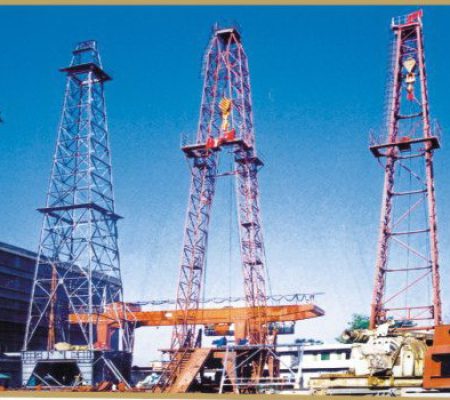
Wellhead tools are essential for ensuring safe and stable oil and gas production. They bear high pressure, complex mechanical loads, and harsh environmental conditions, making them prone to various types of failures during long-term operation. Understanding the common issues, identifying early signs, and adopting timely maintenance strategies can significantly reduce downtime and improve operational efficiency. This article outlines the major types of failures seen in wellhead tools and offers guidance to help operators manage them more effectively.
Seal Failure
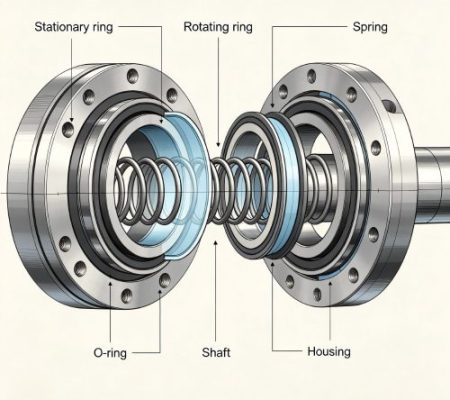
Seal failure is one of the most frequent problems in wellhead tools. Long-term exposure to high pressure, corrosive fluids, and temperature fluctuations may cause rubber seals or metal-to-metal seals to harden, deform, or crack. Once the sealing integrity is compromised, leakage becomes the primary symptom, potentially leading to pressure loss and well control risks. Preventive measures include selecting sealing materials compatible with the medium, performing routine inspections, and replacing aging seals promptly.
Valve Malfunction
Valves play a core role in controlling well flow, so any malfunction can impact the entire wellhead system. Common causes include erosion of valve seats, buildup of debris, stem wear, and internal corrosion. Symptoms may involve increased operating torque, incomplete shutoff, or irregular flow changes. Regular cleaning, lubrication, and pressure testing are effective preventive actions. Using corrosion-resistant materials also helps extend service life.
Thread Damage
Threaded connections are widely used in wellhead assemblies, but high torque, improper installation, and repeated disassembly can cause thread wear or deformation. Damaged threads may lead to weak connections, leakage, or difficulty in assembly. Operators should follow proper torque specifications, use thread protectors during storage and transportation, and avoid cross-threading during installation.
Corrosion and Erosion
Wellhead tools are often exposed to corrosive gases, saltwater, and abrasive particles, making corrosion and erosion unavoidable challenges. These issues gradually weaken metal strength and reduce pressure-bearing capacity. Pitting, rust flakes, and thinning walls are the main indicators. Applying protective coatings, using corrosion-resistant alloys, and injecting corrosion inhibitors can effectively slow deterioration.
Pressure Gauge and Sensor Failure
Instrumentation on the wellhead—such as pressure gauges and sensors—provides critical real-time data. Failures typically stem from mechanical fatigue, diaphragm damage, electrical faults, or contamination. When readings become unstable or inaccurate, operators may misjudge well conditions, increasing operational risk. Routine calibration, dust-proofing, and protective housings can enhance instrument reliability.
Hydraulic System Problems
Many wellhead tools rely on hydraulic systems for actuation. Common failures include oil leakage, pump malfunction, blocked lines, or degraded hydraulic fluid. These issues may result in slow response or failure to activate key components such as safety valves. Regular checks on fluid cleanliness, pressure stability, and hose conditions are essential for maintaining smooth operation.
Structural Fatigue and Cracking
Heavy loads and cyclic stresses can cause fatigue cracks in wellhead tools, especially in high-pressure components. Cracks may initially be microscopic but can grow rapidly under extreme conditions. Visual inspection, non-destructive testing (NDT), and timely component replacement are critical to preventing catastrophic failures.
Conclusion
Wellhead tool failures are often caused by extreme working environments, improper operation, or insufficient maintenance. By understanding the common failure types—such as seal issues, valve malfunctions, corrosion, and structural fatigue—operators can take proactive measures to detect early signs and prevent major accidents. Establishing a comprehensive inspection plan, choosing high-quality materials, and conducting regular servicing are essential strategies for extending equipment life and ensuring safe, stable production.