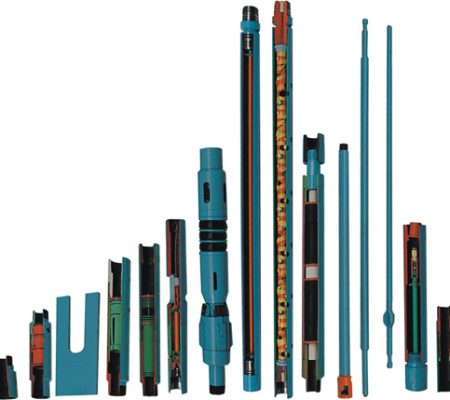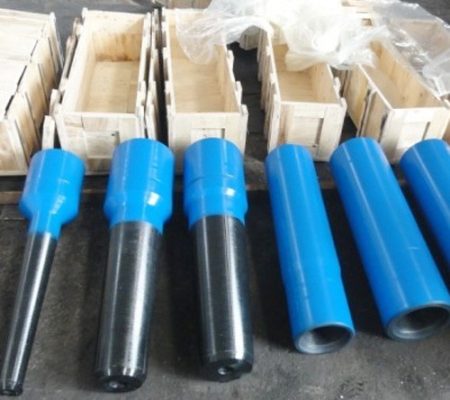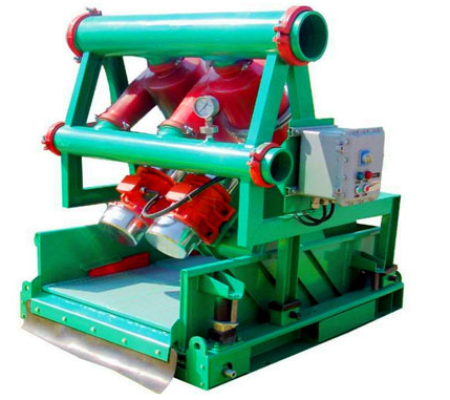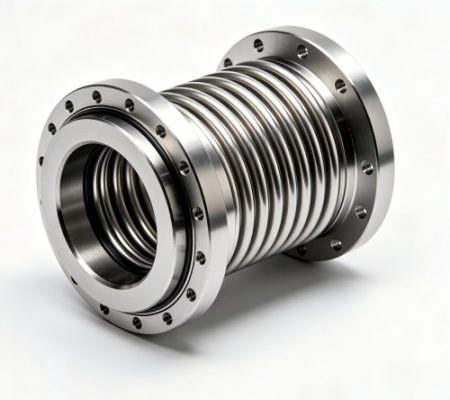
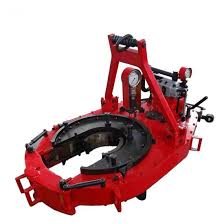
Wellhead tools are critical equipment in oil and gas operations, and their stability and reliability directly affect wellhead pressure control, production safety, and operational efficiency. However, due to prolonged exposure to high pressure, high temperature, corrosive environments, and complex mechanical stresses, these tools are prone to performance degradation or failure. A failure in wellhead tools can result in leaks, well control incidents, or even blowouts, leading to significant safety and economic losses. Therefore, analyzing the causes of wellhead tool failures and implementing effective preventive measures is essential to reduce operational risks and ensure safe and stable wellhead operations.
Material Fatigue and Wear
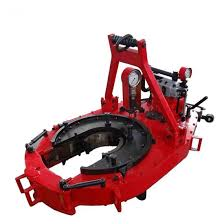
Wellhead tools are subjected to continuous high pressure, vibration, and mechanical impact, which can lead to metal fatigue and component wear. Components such as valve stems, threaded connections, and flanges are particularly vulnerable to micro-cracks or thread wear under repeated loading cycles. Fatigue and wear reduce pressure-bearing capacity and can cause seal failure or operational sticking. Using high-strength materials, designing appropriate service life, and performing regular inspections of critical components are fundamental measures to prevent failure.
Corrosion and Chemical Exposure
Wellhead tools are often exposed to sulfur-containing, CO₂-rich, or high-salinity environments, resulting in chemical corrosion, stress corrosion cracking, and surface erosion. Corrosion weakens metal strength, compromises valve sealing, and increases leakage risk. To mitigate chemical effects, it is important to select corrosion-resistant materials, apply protective coatings, and conduct routine corrosion monitoring and maintenance.
Improper Operation and Installation Errors
Incorrect operation or improper installation is another common cause of wellhead tool failure. Examples include over-tightened or loose bolts, rapid valve actuation, or neglecting pressure release procedures. Improper handling can damage seals, deform components, or cause sticking, reducing tool reliability and lifespan. Strict adherence to operational guidelines, standardized workflows, and proper training for operators are crucial to preventing human-induced failures.
Insufficient Lubrication and Lack of Maintenance
Moving parts of wellhead tools, such as valve stems, plugs, and threaded connections, require regular lubrication and maintenance. Without adequate lubrication, excessive friction can occur, leading to sticking or accelerated metal wear. Routine cleaning, lubrication, and maintenance are essential to ensure smooth operation and extend tool life.
Extreme Conditions and Unforeseen Factors
High temperature, high pressure, deep wells, offshore environments, and unexpected operational events can accelerate the performance degradation of wellhead tools. For example, high temperatures can accelerate seal aging, high pressure may cause fatigue cracks, and offshore environments intensify corrosion. Specialized tools designed for extreme conditions, along with monitoring and early-warning systems, are necessary to mitigate unforeseen risks.
Conclusion
The causes of wellhead tool failures are diverse, including material fatigue, corrosion, improper operation, inadequate maintenance, and extreme conditions. By understanding these potential risks and implementing strategies such as proper material selection, standardized operation, regular inspection and maintenance, and designs adapted for special conditions, operators can significantly reduce the likelihood of tool failure and ensure safe and stable wellhead operations. As the oil and gas industry moves toward high-pressure, high-temperature, and intelligent operations, systematic failure analysis and preventive management will play a crucial role in wellhead safety.