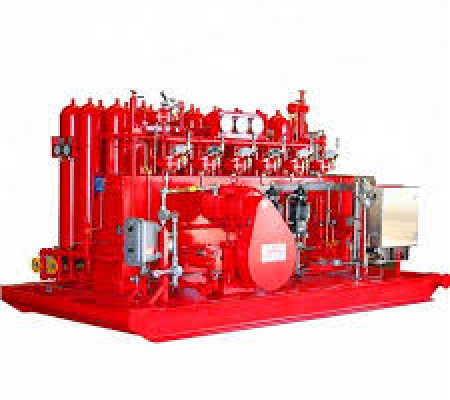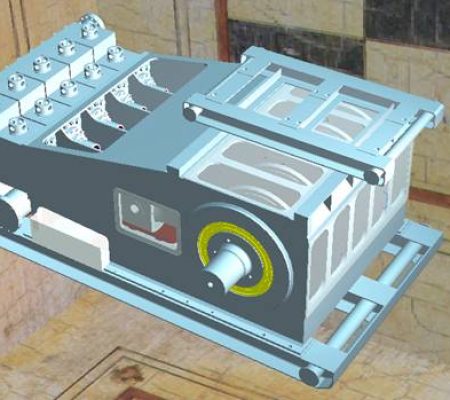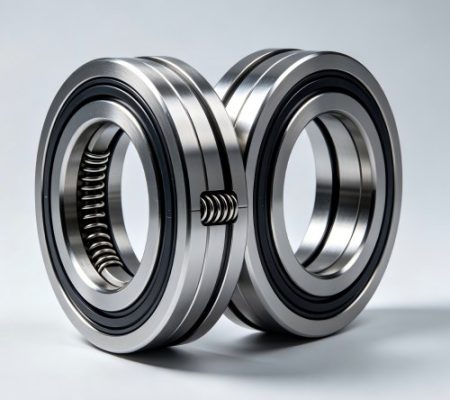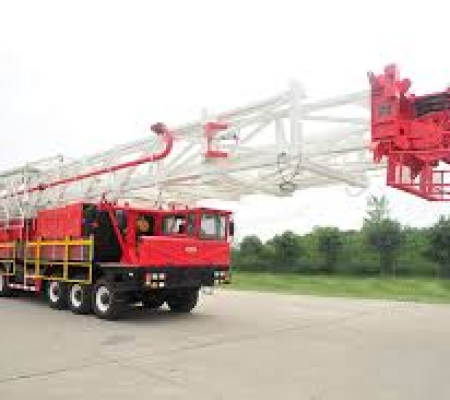
The safety performance of downhole equipment directly determines the smooth progress of the entire downhole operation, and also relates to the equipment’s durability and the safety of construction personnel. Therefore, conducting a safety performance assessment is particularly important when selecting and using commonly used downhole equipment such as clamps, hydraulic blasting machines, stabilizers, and cement heads. The assessment process is not complicated. By focusing on several key points—structure, performance, materials, durability, and maintenance—one can basically determine whether the equipment can handle the actual working conditions.

First, it is necessary to focus on the reliability of the equipment’s structure and materials. The downhole environment is typically characterized by high pressure, high temperature, strong impact, and high abrasion. If the equipment’s material grade is substandard, or if there are weak points in the design structure, deformation, cracking, or even leakage may occur during operation. For example, clamps must use high-strength alloy steel to ensure stable clamping; the pump body and nozzle of a hydraulic blasting machine need to be resistant to high pressure and corrosion; stabilizers typically need high-hardness blades to withstand long-term rotational friction; and cement heads need sufficient sealing and pressure-bearing capacity to ensure the success rate of cementing. To assess whether materials meet standards, check the product manual, technical parameters, pressure rating, and compliance with industry standards.
Secondly, examine the equipment’s performance stability under actual operating conditions. Equipment typically undergoes pressure testing, wear resistance testing, and fatigue testing before leaving the factory, but when selecting equipment, you should still check whether relevant test reports are provided or confirm with the manufacturer whether it has undergone third-party testing. For example, if a hydraulic sandblasting machine’s seals are prone to failure under high-pressure blasting, it can create a hazard; poor wear resistance in the stabilizer and severe blade wear can directly affect the attitude control of downhole tools; insufficient clamping force or rapid wear of the jaws can cause the tool to slip during lifting or rotation; insufficient pressure resistance of the cement head can affect cementing quality and even lead to safety accidents. Only through reliable performance test data can you determine whether the equipment can remain stable under high-intensity operating environments.
Furthermore, the equipment’s service life, ease of maintenance, and the supplier’s reliability are also important factors in assessing safety. Most downhole equipment has vulnerable parts, such as seals, nozzles, blades, and clamping teeth. If there’s a lack of clear usage cycle instructions or the replacement process is overly complex, inadequate maintenance can easily lead to safety hazards. At the same time, the supplier’s after-sales service capabilities are crucial. A reputable manufacturer will typically provide detailed operation manuals, maintenance recommendations, and spare parts support, and can respond quickly in emergencies, reducing equipment downtime and improving overall safety and construction efficiency.
Finally, proper operating procedures during use are also part of the safety assessment. Even the best equipment can malfunction or even cause accidents if operated improperly or used in violation of regulations. Therefore, when selecting equipment, it’s essential to confirm whether it comes with operation training, instructional videos, or technical support to ensure that users can operate the equipment correctly and according to regulations. This is especially true for equipment with high pressure and power, such as hydraulic sandblasting machines, where proper operation is critical for safety.
In summary, evaluating the safety performance of downhole equipment requires a comprehensive assessment from multiple perspectives, including material structure, performance testing, durability, maintenance methods, supplier reputation, and operating procedures. Although clamps, hydraulic sandblasting machines, stabilizers, cement heads, and other equipment serve different purposes, their evaluation logic is basically the same. As long as the materials are reliable, the performance is stable, the maintenance is convenient, the source is legitimate, and they are used in accordance with standardized operating procedures, they can maintain good safety and work efficiency in the complex environment downhole.