The installation of underground equipment is a rigorous and specialized engineering operation. It not only affects the normal operation of the equipment itself but also the safety and stability of the entire underground operation system. Therefore, standardized installation procedures are crucial, with clear requirements for each step, from construction preparation to equipment commissioning. The underground environment is typically confined, humid, dusty, and may even contain hazardous factors such as methane and flammable gases. Therefore, the installation process must balance safety, technology, and supervision to ensure the equipment maintains reliable performance in harsh environments over the long term. Understanding the standardized installation procedures for underground equipment is a vital foundation for ensuring operational safety and improving production efficiency for mining companies, construction teams, and equipment suppliers.

Before officially installing underground equipment, thorough preliminary preparations are necessary. This includes a comprehensive inspection of the installation site to confirm that the environment meets construction requirements, such as adequate ventilation, lighting, the absence of water accumulation, and ground stability. Simultaneously, it is necessary to verify the equipment model, specifications, and instruction manual to ensure the equipment matches the project requirements and to check for any damage or missing parts caused during transportation. Installation personnel must undergo professional technical training, possess underground construction qualifications, and be equipped with appropriate personal protective equipment, such as safety helmets, explosion-proof lights, insulated gloves, and respirators, to ensure personal safety during construction.
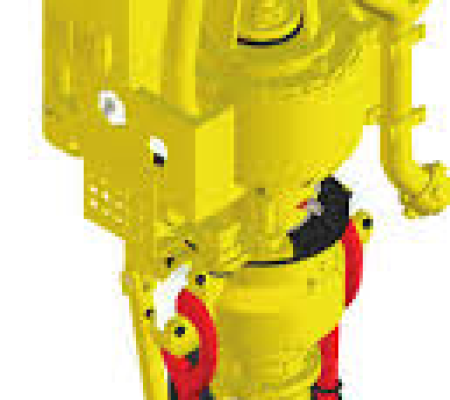
Once the installation phase begins, construction must be carried out according to the equipment manual and industry standards. The installation of underground equipment must adhere to the principles of “stability, safety, explosion-proof, and waterproof.” For example, electrical equipment must be installed in dry, well-ventilated locations and use explosion-proof enclosures and compliant sealed joints to prevent hazards caused by electrical sparks; mechanical equipment such as clamps and stabilizers must be securely supported and aligned to prevent displacement or vibration during operation; hydraulic equipment such as sandblasting machines and cement heads must ensure tight pipe connections to prevent leaks. All connectors, bolts, and fasteners must be tightened to the specified torque to ensure they do not loosen under long-term stress. For equipment with electronic control systems, standardized wiring layout is required, ensuring good insulation, neat installation, and adequate moisture protection.
After equipment installation is complete, commissioning and acceptance testing are necessary, which is one of the most critical steps in the entire process. Equipment commissioning involves more than just testing its operational functionality; it’s about verifying the effectiveness of all safety features. For example, motor-driven equipment requires testing start-up/stop, temperature rise, and insulation resistance to ensure they meet standards. Hydraulic or pneumatic equipment necessitates test runs of the pressure system to check valve sensitivity and pressure gauge accuracy. Mechanical equipment undergoes no-load and load tests to ensure there are no abnormal noises, vibrations, or misalignments. All test results must be recorded to create a complete equipment installation and commissioning file for future maintenance and troubleshooting.
During acceptance testing, the construction unit, equipment supplier, and safety supervisors typically participate together to verify that equipment markings, explosion-proof ratings, installation locations, and connection methods meet standard requirements. Only when all items meet the standards can the equipment be put into use. Any non-compliance must be rectified until the acceptance criteria are met. Furthermore, the installation process standards for downhole equipment emphasize subsequent maintenance and management systems, including regular inspections, inspection records, lubrication maintenance, and hazard identification, to prevent performance degradation or safety hazards due to environmental factors after a period of operation.
The standardized installation process for downhole equipment covers the entire process, including preparation, installation, commissioning, acceptance, and management. Its core objective is to ensure the continuous, safe, and reliable operation of equipment in high-risk environments. Only by strictly adhering to standardized procedures and having them performed by qualified personnel can the likelihood of accidents be reduced, and the overall safety level and production efficiency of downhole operations improved. For any downhole engineering project, a standardized installation process is not only a technical requirement but also a fundamental safety principle that must be upheld.