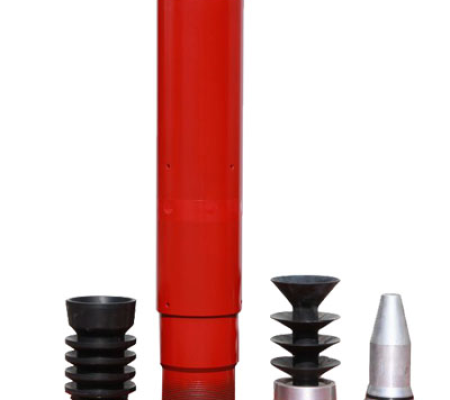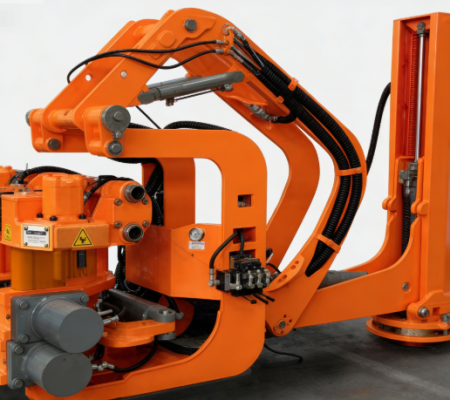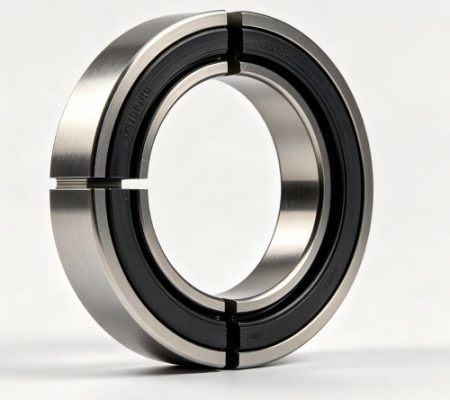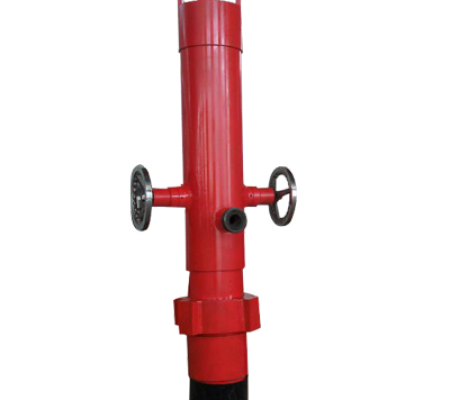
In the oil and gas industry, wellhead tools are critical components that connect surface equipment with downhole operations. They play a central role in preventing blowouts and ensuring operational safety. With the continuous advancement of deep well development, wellhead operations face higher pressures, more complex geological conditions, and harsher environments. Consequently, deep well operations place special and higher demands on wellhead tools. This article explores these requirements from five key aspects: pressure resistance, structural design, sealing performance, material selection, and monitoring capabilities.

Ultra-High Pressure Resistance
In deep well operations, wellhead pressures are usually much higher than in conventional wells, especially in high-pressure, high-temperature (HPHT) wells. Wellhead tools must withstand thousands to tens of thousands of pounds of operational pressure. Standard tools not specifically designed for these conditions are prone to locking failures or slippage. Therefore, deep well wellhead tools require high-strength pressure-resistant designs to maintain stability and reliability under prolonged high-pressure conditions.
Optimized Structural Design
Deep well operations subject wellhead tools not only to axial loads but also to lateral forces and vibrations from the wellbore. Thus, the structural design must be scientifically optimized:
Reinforced locking mechanisms to prevent loosening or slippage during downhole operations.
Vibration-damping design to absorb shocks and protect the tool and downstream equipment.
Modular assembly for quick installation, removal, and replacement, adapting to complex operational environments.
High-Performance Sealing Requirements
Sealing performance is a core safety indicator for wellhead tools. In deep wells with high pressure and temperature, standard seals can degrade, increasing the risk of leaks. Therefore, deep well wellhead tools typically require:
High-temperature resistant materials to ensure sealing integrity under extreme conditions.
Corrosion-resistant performance to withstand acidic or corrosive well fluids.
Long-term stability to maintain seal integrity during extended operations.
Material Selection and Durability
The deep well environment is harsh, with exposure to high pressure, high temperature, and corrosive fluids, placing strict demands on materials:
High-strength alloy steel to withstand heavy loads and impact.
Corrosion-resistant alloys or surface treatments to extend service life.
High fatigue strength to prevent cracking under repeated operations and high-pressure cycles.
Intelligent Monitoring and Safety Features
With the advancement of deep well technology, wellhead tools are increasingly integrated with intelligent monitoring and feedback functions:
Pressure and torque sensors for real-time monitoring of tool status and early detection of anomalies.
Remote control and alarm systems to enhance operational safety and reduce manual intervention.
Data logging capabilities to support subsequent analysis and optimize operational workflows.
Conclusion
Deep well operations impose special requirements on wellhead tools, including high pressure resistance, optimized structural design, superior sealing, high-quality materials, and intelligent monitoring systems. Each aspect is essential for ensuring operational safety and improving efficiency. Selecting wellhead tools that meet deep well standards, combined with strict installation, inspection, and maintenance procedures, ensures stable wellhead system performance and provides reliable support for complex oil and gas operations.