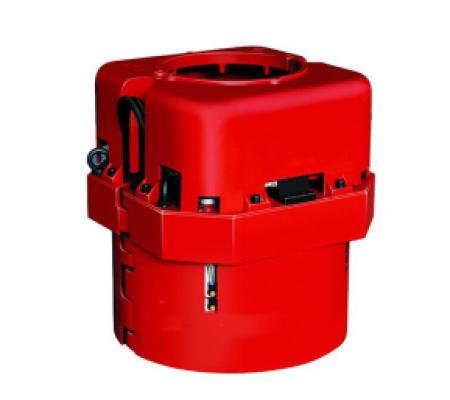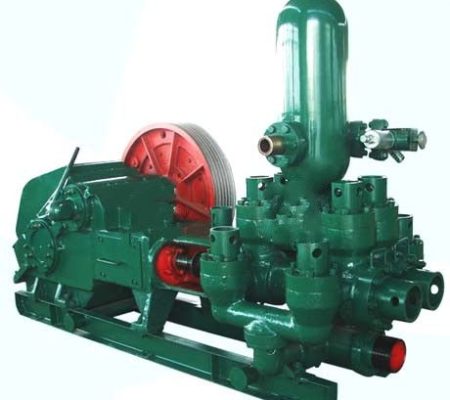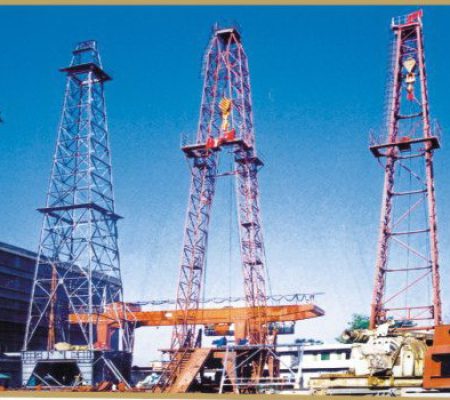
In oil and gas operations, the safety and reliability of wellhead tools directly affect operational efficiency and personnel safety. As wellhead environments become increasingly complex, ensuring the compliance of these tools is essential. Compliant tools must not only meet industry standards but also demonstrate reliable structural performance and operational safety. This article outlines five key methods to determine whether wellhead tools are compliant, helping companies reduce risks and improve operational quality.

Visual Inspection: Identify Obvious Defects
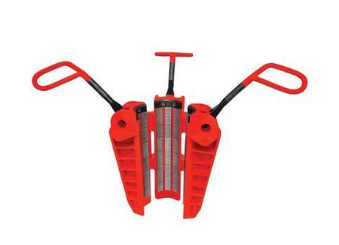
Visual inspection is the most basic method for detecting potential issues. Operators should carefully examine the surface of wellhead tools for cracks, deformations, wear, corrosion, or other visible defects. Critical components such as slips, elevators, and casing tongs require special attention, as even minor cracks or severe wear can lead to accidents. Additionally, labels, model numbers, manufacturing dates, and inspection certificates should be verified to ensure tools come from legitimate sources and are traceable.
Dimensional and Structural Inspection: Ensure Compliance with Standards
The dimensions and structural integrity of wellhead tools directly impact their operational performance. Key dimensions—such as slip gripping face width, elevator load hole diameter, and casing tong gripping range—should be measured using calipers, micrometers, or specialized inspection instruments to confirm compliance with relevant standards. Structural checks, including weld quality, bolt tightness, and proper installation of hydraulic components, are also critical to ensure the tool’s overall integrity.
Load and Strength Testing: Verify Safety
Compliant wellhead tools must possess sufficient load-bearing capacity. Common methods include static and dynamic load tests. Static load testing applies standard loads to check for permanent deformation or structural failure, while dynamic load testing simulates real operational conditions with repeated stress to verify reliability under high-frequency or high-torque scenarios. These tests effectively identify potential safety hazards before field use.
Functional Testing: Ensure Operational Performance
Functional testing is another essential step in verifying compliance. For example, smart slips should grip automatically, power casing tongs must provide torque control and automated rotation, and elevators should operate smoothly during lifting and release. Functional testing can detect operational issues such as unstable gripping, control failure, or mechanical inefficiency, ensuring the tool performs reliably under real-world conditions.
Certificate and Standards Verification: Confirm Legal Compliance
Beyond physical inspections, checking compliance certificates is crucial. Companies should verify whether tools have third-party inspection reports, ISO certification, or relevant national and industry standard certifications, such as API or GB. Proper documentation serves as a strong assurance of quality and compliance and is an essential part of safety management responsibilities in oil and gas operations.
Conclusion
The compliance of wellhead tools directly impacts both safety and efficiency in oil and gas operations. By applying the five inspection methods—visual inspection, dimensional and structural checks, load testing, functional testing, and certificate verification—companies can comprehensively assess the reliability and legality of their tools. Incorporating regular compliance inspections and maintenance into operational management minimizes accident risks and ensures a solid foundation for safe and efficient wellhead operations.