In oil and gas well operations, wellhead equipment is a critical component for ensuring operational safety and efficiency. Among them, wellhead tools and well control equipment serve distinct roles, differing in function, usage, and technical requirements. Understanding their differences and connections helps companies optimize equipment deployment, enhance operational safety, and improve efficiency. This article analyzes their functions, structures, usage scenarios, and collaborative relationships.

Definition and Functional Differences
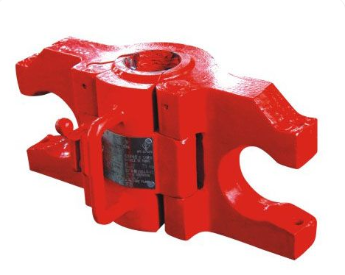
Wellhead tools are primarily used for mechanical operations at the wellhead, such as making up or breaking out casing, gripping, and lifting. Typical tools include slips, manual tongs, power tongs, elevators, and casing tongs. Their core function is to perform mechanical tasks and ensure connection control during wellhead operations.
Well control equipment, on the other hand, focuses on pressure management and safety protection, including blowout preventers (BOPs), valves, and wellhead pressure monitoring systems. Their primary function is to monitor wellhead pressure, control fluid flow, and provide emergency shutdown capabilities to prevent blowouts and other hazardous events.
Structure and Technical Characteristics
Wellhead tools generally have simpler structures, emphasizing mechanical strength, gripping accuracy, and operational reliability. Some advanced smart tools are equipped with torque sensors, pressure sensors, and automated control modules to enhance stability and enable traceable operation data.
Well control equipment has a more complex structure, incorporating hydraulic systems, electrical controls, pressure sensing, sealing technology, and emergency operation devices. Its design focuses on high-pressure sealing, rapid response, and redundant safety mechanisms to ensure reliable performance even under extreme conditions.
Usage Scenarios and Operation Modes
Wellhead tools are mainly used during operational stages, such as casing make-up, drill pipe handling, and lifting tasks. They require frequent mechanical operation and direct operator involvement, with high skill requirements.
Well control equipment is installed for the entire lifecycle of oil and gas production to monitor pressure and ensure safety. It is usually stationary at the wellhead and functions primarily for monitoring and control, with emergency responses triggered automatically or remotely when abnormal conditions occur.
Connections and Collaborative Relationship
Despite differences in function and structure, wellhead tools and well control equipment are closely linked in wellhead operations. While tools perform mechanical tasks, control equipment monitors pressure and fluid conditions to provide safety assurance. Operational data, such as torque and progress from power tongs, can be integrated with well control monitoring systems, enabling safe, controlled, and data-driven wellhead operations.
Conclusion
Wellhead tools and well control equipment each play a distinct role in oil and gas operations, with clear functional differences yet close collaborative relationships. Understanding these differences and connections allows companies to optimize equipment allocation, improve operational procedures, and enhance safety management. With the advancement of digitalization and smart technologies, the integration of wellhead tools and well control equipment will continue to strengthen, achieving safer, more efficient, and traceable wellhead operations.