In the field of oil and natural gas extraction, drilling rigs, as core equipment, are directly related to operational efficiency, personnel safety, and environmental protection through their safe operation. However, the complex and ever-changing working environment and high-intensity continuous operation expose drilling rigs to numerous potential risks. A detailed and practical daily safety checklist is not only the first line of defense against accidents but also crucial for ensuring the smooth progress of energy extraction. This article will focus on the core points of daily safety inspections of drilling rigs, providing industry practitioners with a practical reference guide.
Basic Structure and Appearance Inspection: Protection from the “Surface” to the “Deep Layer”
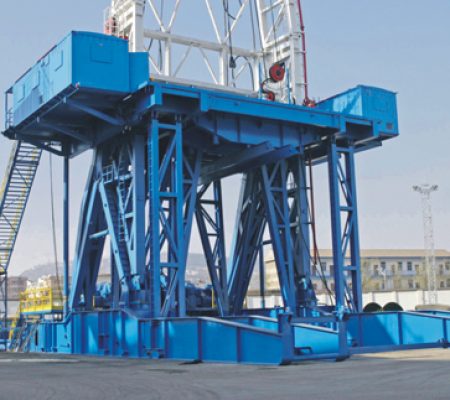
The appearance and basic structure of the drilling rig are the starting point for safety inspections. Before daily operations, a comprehensive inspection of key components such as the derrick, base, overhead crane, and traveling block is required. Special attention should be paid to checking the derrick for deformation, cracks, or loose bolts, especially at the connection between the derrick’s legs and crossbeams, which bear heavy loads for extended periods. The stability of the base is equally important; it must be confirmed that its contact with the ground is uniform and that there are no signs of sinking or tilting. The pulley blocks of the overhead crane and traveling crane need to be checked for bearing lubrication to ensure smooth and unobstructed rotation. Simultaneously, check the wire rope for broken strands, wear, or corrosion. If more than 10% of a single wire is broken or the overall rope diameter is reduced by more than 7%, it must be replaced immediately.
Power System and Transmission Device: The “Safety Lock” of Energy Transmission
The power system and transmission device of the drilling rig are its “heart” and “blood vessels”; any malfunction can lead to complete system failure. As the primary power source, the diesel engine needs to be checked for oil level, coolant temperature, and fuel line leaks. After starting, listen to whether the engine sound is even and whether the exhaust is abnormal (e.g., blue or black smoke). For components such as the drive shaft and universal joints, check that the protective covers are intact and the connecting bolts are tight to prevent them from being thrown out during high-speed rotation. The hydraulic system inspection focuses on oil level, oil quality, and pipeline sealing. Hydraulic oil contamination or leaks not only reduce system efficiency but may also cause fires or environmental pollution.
Electrical and Control Systems: The “Safety Nerve” of the Smart Era
With the widespread adoption of digital drilling rigs, the safety of electrical and control systems is increasingly crucial. Daily checks are required to ensure the reliable grounding of distribution boxes and control cabinets, and to inspect cable sheaths for damage, especially cables passing through areas of high temperature or mechanical friction. Motors must have their insulation resistance tested to ensure it is not less than 0.5 megohms, and the cooling fans must be checked for proper operation. Control system checks must cover sensors, actuators, and PLC modules to ensure accurate data transmission and proper command execution. For drilling rigs equipped with remote monitoring systems, the stability of the communication link must be verified to prevent operational loss of control due to signal interruptions.
Safety Protection Devices and Emergency Equipment: The Last Line of Defense
Safety protection devices are a core element of drilling rig design. Blowout preventer (BOP) assemblies must have their hydraulic lines checked for unobstructed flow, and the locking devices must be checked for flexibility. Simulated shutdown drills should be conducted to ensure rapid response in emergencies such as well kicks. Escape devices such as fall arrestors and speed differential controllers must undergo regular functional testing to confirm their braking performance meets standards. Fire extinguisher inspections should focus on whether the pressure gauge pointer is in the green zone, whether the nozzle is clogged, and ensure that it is placed in an easily accessible location. In addition, first-aid kits and supplies need to be regularly updated to avoid expiration.
Environmental and Work Behavior Inspections: Comprehensive Coverage from “Materials” to “People”
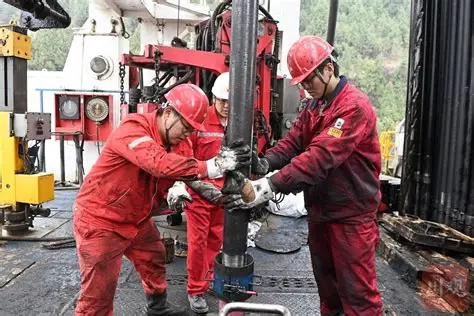
Drilling rig operations are in complex environments. Daily inspections are necessary to check for geological risks such as landslides and collapses in the work area, and to confirm that there are no flammable or explosive materials piled up nearby. The behavior of workers is equally crucial. It is necessary to check whether they are wearing safety helmets, safety belts, and other personal protective equipment, and whether they are following operating procedures (such as prohibiting staying near rotating parts and prohibiting maintenance without disconnecting power). For high-altitude operations, it is necessary to confirm that the scaffolding or suspended platform meets the load-bearing capacity and that the safety rope anchoring points are reliable.
Daily safety inspections of drilling rigs are a systematic project that needs to cover multiple dimensions, including mechanical, electrical, environmental, and personnel behavior. By establishing standardized inspection procedures and recording mechanisms, not only can potential hazards be identified in a timely manner, but it is also necessary to cultivate workers’ safety awareness and form a safety culture of “prevention first, comprehensive management.” Against the backdrop of continuously growing energy demand and increasingly stringent safety requirements, a comprehensive checklist is undoubtedly the “safety key” for the smooth operation of drilling rigs and the efficient advancement of energy extraction.