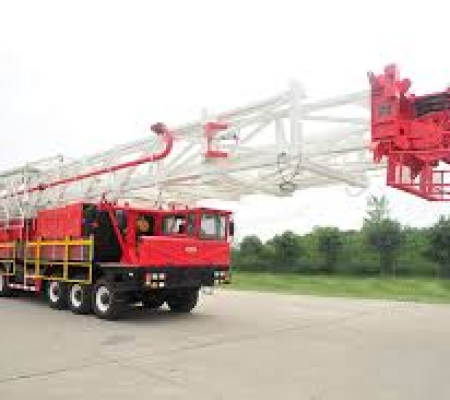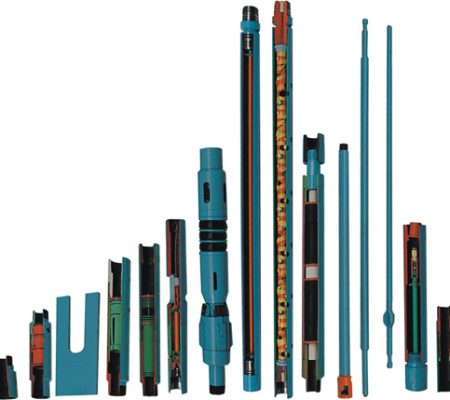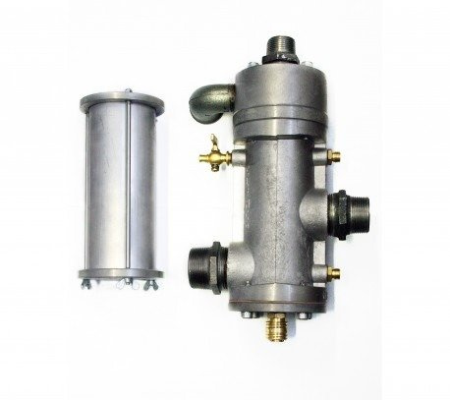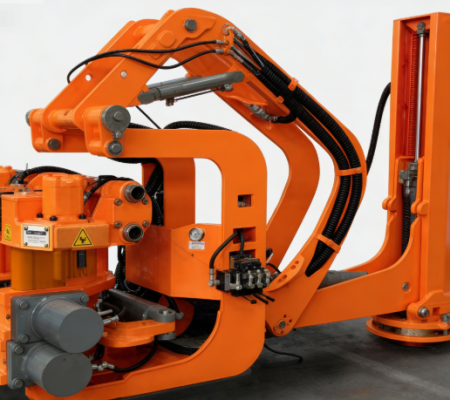
In the oil and gas industry’s trend of cost reduction and efficiency improvement, the total cost of ownership (TCO) of drilling equipment has become a core indicator of corporate competitiveness. TCO not only covers the initial purchase cost of equipment but also includes all lifecycle costs such as operation and maintenance, energy consumption, downtime losses, and disposal. Statistics show that drilling equipment operation and maintenance costs typically account for more than 60% of TCO, while scientific management can reduce this by 20%-30%. This article will systematically elaborate on practical paths to reduce drilling equipment TCO from five dimensions: equipment selection, operation and maintenance optimization, energy consumption control, spare parts management, and residual value recovery, helping companies achieve the sustainable development goal of “reducing costs without compromising quality.”
Precise Equipment Selection: Balancing Performance and Cost Based on Operating Condition Matching
Equipment selection is the primary step in controlling TCO. It requires selecting equipment configurations that are “sufficient and durable” based on formation lithology, well depth, and operating environment. For example, in shallow sandstone formations, conventional tricone drill bits are sufficient. While blindly choosing high-end PDC drill bits can increase drilling speed, the price per bit is 3-5 times higher, and they are prone to wear in soft formations, increasing the frequency and cost of bit replacements. Furthermore, it’s crucial to focus on the “total life cycle cost” of equipment, not just the initial purchase price. For instance, a drilling company purchased low-priced domestic top drives, but due to high failure rates and long maintenance cycles, downtime losses exceeded one million yuan within two years. After switching to imported brands (though the purchase price was 30% higher), improved reliability resulted in a 15% reduction in TCO. Therefore, when selecting equipment, a comprehensive evaluation of reliability, maintainability, and supplier service capabilities is necessary, prioritizing products with “low failure rates, ease of maintenance, and high parts interchangeability.”
Operation and Maintenance Optimization: From Reactive Maintenance to Proactive Prevention, Reducing Unplanned Downtime
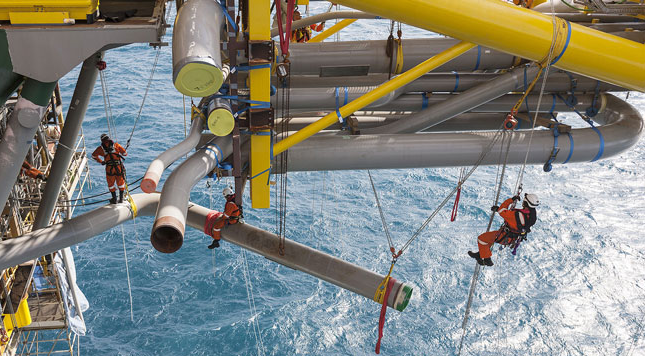
Operation and maintenance costs constitute a significant portion of TCO, requiring preventative maintenance (PM) and condition monitoring (CBM) to reduce failure rates. For example, vibration sensors and oil detection modules can be installed on key components such as the drilling rig gearbox and top drive gearbox to monitor temperature, vibration levels, and oil metal particle content in real time. When data exceeds thresholds, an automatic warning is triggered, allowing for the early replacement of worn parts and preventing sudden equipment failures that could lead to downtime. One oilfield, by deploying an intelligent monitoring system, reduced its drilling rig failure rate from twice a month to 0.5 times, resulting in a 40% reduction in annual maintenance costs. Furthermore, standardized maintenance procedures (such as SOP manuals) need to be established, clearly defining parameters such as lubrication cycles, tightening torques, and cleaning standards to reduce equipment damage caused by improper operation. For example, if the replacement cycle of the mud pump piston is not performed according to standards (e.g., failure to regularly check seals), it may lead to premature wear of the cylinder liner, increasing replacement costs.
Energy Consumption Control: A Two-Pronged Approach of Technological Upgrades and Operational Optimization to Reduce Operating Costs
Drilling equipment energy consumption accounts for 15%-20% of total cost of ownership (TCO), requiring energy savings through technological upgrades and operational optimization. For example, replacing traditional diesel generator sets with dual-fuel generators (diesel + natural gas) and using natural gas when gas supply is sufficient can reduce fuel costs by 30%-40%. Upgrading the hydraulic system of drilling rigs to variable frequency drives allows for dynamic adjustment of pump displacement based on load, avoiding energy waste caused by over-powered systems. One drilling platform achieved annual electricity savings of over 500,000 kWh through hydraulic system energy-saving upgrades, equivalent to reducing carbon dioxide emissions by 400 tons. Furthermore, it is necessary to strengthen energy-saving training for operators, such as avoiding idling and optimizing mud pump displacement matching, tapping into energy-saving potential through detailed management.
Spare Parts Management: Inventory Optimization and Domestic Substitution, Balancing Security and Cost
Spare parts inventory accounts for 10%-15% of Total Cost of Ownership (TCO). Inventory costs need to be reduced through “accurate forecasting + tiered management.” For example, using historical failure data and supplier delivery cycles, a spare parts safety stock model can be established, setting higher inventory levels for high-frequency failure parts (such as drill bits and seals) and adopting an “on-demand procurement” model for low-frequency parts (such as special sensors). A drilling company reduced its inventory capital tied up in spare parts from 8 million yuan to 5 million yuan through spare parts inventory optimization, without affecting equipment availability. Furthermore, it can promote the localization of key spare parts, such as replacing imported hydraulic valves and bearings with high-end domestic products, reducing costs while maintaining performance. For example, after a company localized its top drive brake pads, the price per unit dropped from 20,000 yuan to 8,000 yuan, saving over one million yuan annually.
Residual Value Recovery: Standardizing the Scrapping Process and Uncovering the Residual Value of Equipment
The equipment scrapping process is often overlooked, but standardized recycling can recover 5%-10% of the Total Cost of Ownership (TCO). For example, large equipment such as decommissioned drilling rigs and mud pumps can be disassembled into usable parts (such as engines and gearboxes) for resale; metal parts (such as drill pipes and casings) can be recycled, reducing raw material costs. An oilfield increased its scrapped equipment recovery rate from 60% to 85% by establishing an equipment residual value assessment system, resulting in an annual revenue increase of over 2 million yuan. Furthermore, attention must be paid to environmental compliance to avoid environmental pollution fines due to the improper disposal of equipment containing oil or chemicals.
Reducing the Total Cost of Ownership (TCO) of drilling equipment requires abandoning the mindset of “emphasizing procurement over maintenance” and “emphasizing short-term gains over long-term benefits,” and instead building a comprehensive lifecycle management system covering equipment selection, operation and maintenance, energy consumption, spare parts, and disposal. Enterprises can achieve the goal of “reducing costs without compromising quality” by introducing intelligent monitoring technologies, optimizing maintenance processes, and promoting domestic substitution. In the future, with the widespread adoption of digital tools (such as equipment health management systems and cost analysis software), TCO management will evolve towards “refinement and intelligence,” providing solid support for the high-quality development of the oil and gas industry.