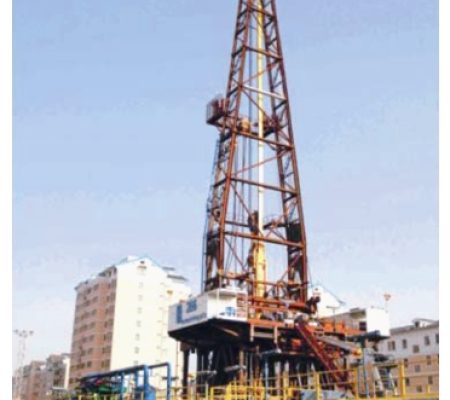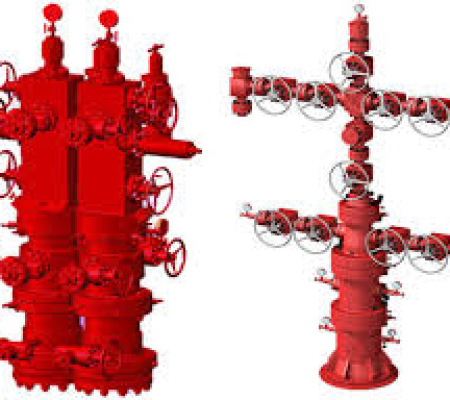
In oil and gas production, workover operations play a crucial role in maintaining well integrity, restoring productivity, and troubleshooting wellbore issues. Wellhead tools form the essential foundation that ensures safety and efficiency during these complex procedures. Because workover tasks involve running and pulling tubing, downhole interventions, and pressure control, the requirements for tool reliability, flexibility, and pressure resistance are significantly higher. Understanding the applications and precautions of wellhead tools in workover operations helps improve efficiency while minimizing well-control risks.

Key Application Scenarios of Wellhead Tools in Workover Operations
1. Tubing Handling and Support
Slips, elevators, and centralizers are used to grip, support, and protect tubing during running and pulling operations. Each tubing, drill pipe, or casing size requires matching slip types to ensure load-bearing accuracy and prevent slippage.
2. Wellhead Pressure Control and Sealing
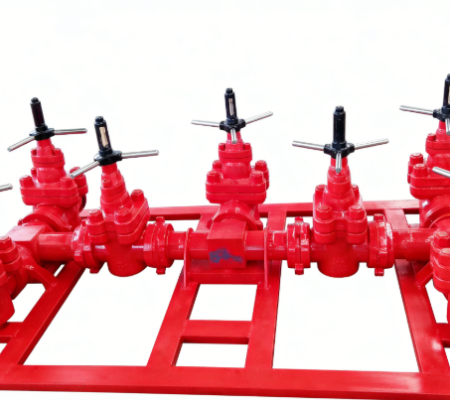
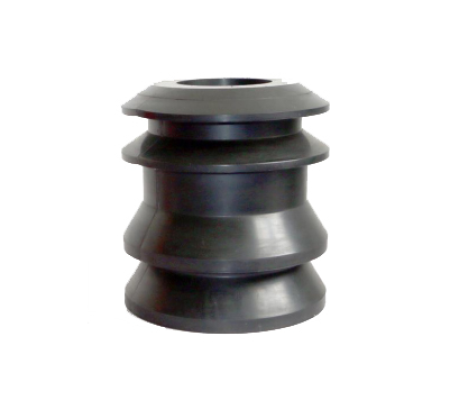
Workover operations often involve managing wellbore pressure, fluid level changes, or potential kick risks. Wellhead sealing tools—such as pack-off devices and valve accessories—provide critical isolation and pressure control. The integrity of these seals directly affects operational safety.
3. Connection and Alignment Support
Flanges, connectors, and alignment tools link workover equipment with the wellhead, providing a stable interface. In segmented repairs or deviated well operations, auxiliary tools help guide downhole tools smoothly into the wellbore.
4. Guiding and Centralizing Downhole Tools
Workover operations require fishing tools, overshots, spears, and sand-cleanout devices. Wellhead centralizers ensure these tools remain aligned and can be run into the well efficiently, increasing success rates.
Principles for Selecting Wellhead Tools for Workover Operations
1. Match the Wellhead Pressure Rating
Workover often involves operations under pressure. Wellhead tools must meet or exceed the well’s pressure rating. Under-rated equipment may cause sealing failures or catastrophic accidents.
2. Fit the Tubing Size and Outer Diameter
Different tubing dimensions require corresponding slips, elevators, and centralizers. Incorrect sizing can cause slippage, deformation, or damage to the tubing.
3. Prioritize Wear Resistance and Corrosion Protection
Workover environments often contain brine, CO₂, H₂S, and other corrosive media. Tools with surface hardening or corrosion-resistant materials offer longer service life and better reliability.
4. Ensure Compatibility With the Workover Rig
Whether using a conventional workover unit or coiled tubing unit, the load capacity, interface structure, and working height must match the chosen wellhead tools.
Precautions When Using Wellhead Tools in Workover Operations
1. Conduct Thorough Pre-Job Inspections
Inspect for:
Worn or cracked metal surfaces
Damaged threads
Stiff or stuck moving parts
Aged or brittle sealing elements
Pre-job inspections help prevent failures that may cause downtime or hazardous events.
2. Avoid Overloading the Tools
Slips and elevators have strict load ratings. Overloading may lead to slippage or tool breakage. Always adhere to specified load limits.
3. Follow Proper Installation and Removal Procedures
Wellhead areas are compact, and improper handling may cause collisions or dropped objects. All connectors must be installed step-by-step and fully secured.
4. Pay Attention to Pressure and Temperature Hazards
Pressure fluctuations during workover can cause leakage at sealing or connection points. Continuous pressure monitoring is essential to prevent blowout risks.
5. Apply Lubrication and Anti-Rust Protection Regularly
During long workover cycles, wellhead tools require periodic lubrication. Threads and metal contact surfaces should be protected against rust to maintain smooth operation and prolong tool life.
Post-Operation Maintenance and Storage
After workover is completed, wellhead tools should be cleaned, inspected, and stored properly:
Remove mud, scale, and metal debris
Inspect for fatigue or deformation
Apply rust-preventive oil
Store according to specifications
Good maintenance ensures the tools can be quickly redeployed while reducing future equipment costs.
Conclusion
Wellhead tools perform essential functions—connection, support, sealing, and guidance—throughout the entire workover process. Proper selection, standardized operation, and systematic maintenance are vital for ensuring safe, efficient, and reliable workover activities. For oilfield operators, establishing a comprehensive wellhead tool management system can significantly reduce failure rates and enhance overall workover performance, providing strong support for stable and increased production.