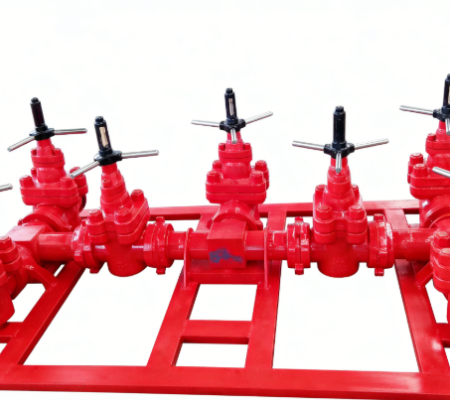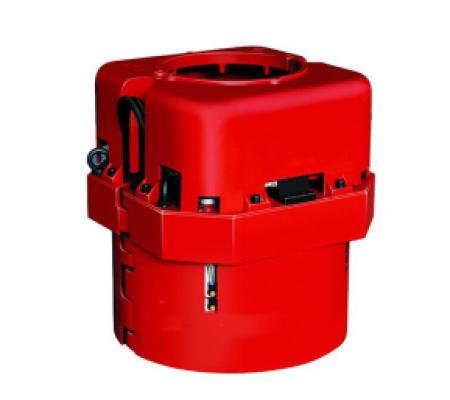

As a crucial component in cementing operations, the smooth operation of the cement head directly impacts the cement slurry delivery efficiency and cementing quality. Under high-pressure, high-density cement slurry conditions, the cement head is prone to clogging due to residue accumulation, poor ball placement, or aging seals. To ensure smooth operations and improve downhole reliability, it is essential to address clogging risks through structural management, operational process optimization, and maintenance measures.

Reducing Clogging Risk Through Structure and Selection
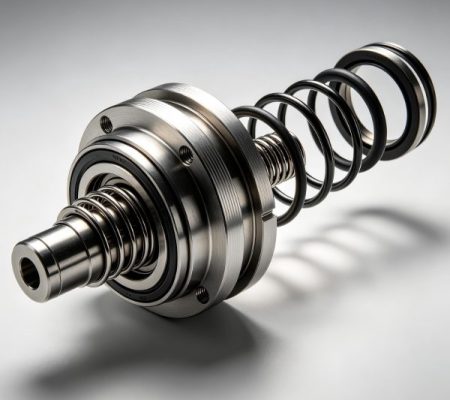
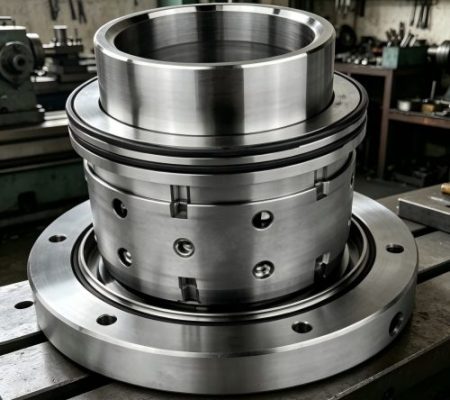
Choosing a cement head with a reasonable structure and reliable materials is the first step in preventing clogging. High-quality cement heads are typically made of high-strength, wear-resistant alloy steel and feature smooth internal channels, precise ball seat dimensions, and a sensitive ball placement mechanism. These structural details effectively reduce cement slurry deposition inside. If frequent ball placement is required, cement heads with dual-cavity or large-diameter designs should be prioritized to ensure smoother passage of the rubber ball and isolation plug within the channels, reducing the likelihood of blockage. Furthermore, the material and temperature resistance rating of the seals are also crucial. If the sealing rings age or deform, cement slurry can leak and clump, leading to internal blockage. Therefore, during the selection phase, it is essential to ensure that the equipment’s pressure resistance, structural layout, and sealing quality meet the requirements of downhole operations. Only by selecting a scientifically designed and adaptable cement head can the possibility of blockage be minimized from a technical perspective.
Standardized Operating Procedures are the Foundation for Avoiding Blockage
Cement head blockage largely stems from improper operation; therefore, strictly adhering to standardized procedures is paramount. First, before cementing, it is essential to ensure that the cement head is clean and free of foreign objects, all connections are securely tightened, and the ball-launching mechanism operates flexibly. During grouting, the consistency and flow rate of the cement slurry must be strictly controlled. If the slurry is too viscous, it will deposit in the channel, increasing the risk of blockage. Ball deployment should be performed accurately and in sequence; premature or delayed deployment may cause poor compression of the rubber balls. Additionally, pressure gauge data must be monitored in real time during construction. If a sudden increase in pressure, decrease in flow, or ball deployment stalls, the machine should be stopped immediately for investigation to prevent further blockage and ensure the cement propulsion effect within the casing is maintained. Meanwhile, construction personnel should avoid prolonged equipment downtime, as cement slurry solidifies easily when stationary, leading to rapid blockage of internal pipes. Strict adherence to these detailed operating procedures is crucial for ensuring the smooth operation of the cement head.
Strengthening Daily Maintenance and Cleaning to Ensure Long-Term Stable Operation
To ensure the cement head remains smooth even after multiple operations, a comprehensive maintenance process is essential. After each operation, the internal channels of the cement head should be thoroughly flushed immediately, especially areas prone to dust accumulation such as the ball seat and ball-launching chamber, to prevent cement slurry residue from hardening and causing blockages. Simultaneously, check for wear on the sealing rings and scale buildup on the valve body; if signs of aging or blockage are found, replace or address them promptly. Cement heads used for extended periods should also be regularly disassembled and cleaned for maintenance, checking for wear, corrosion, or deposits in the internal channels, and applying anti-rust oil to metal surfaces to reduce the risk of blockages caused by corrosion particles. During storage, maintain dryness and ventilation to prevent internal moisture from causing clumping. A scientific maintenance system can significantly extend the lifespan of the cement head and ensure it remains unblocked during critical operations, providing reliable support for cementing projects.