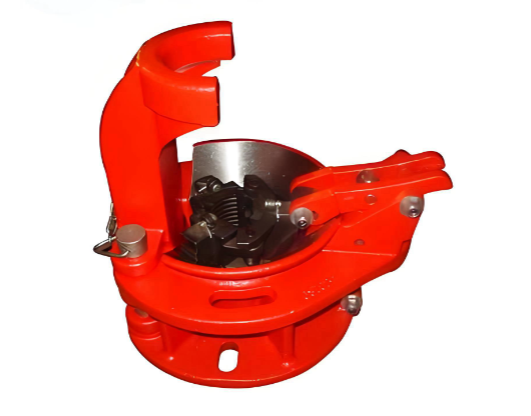
In oil well operations, wellhead tools are essential equipment to ensure safety and operational efficiency. The quality of these tools directly affects the smooth progress of well operations and the safety of personnel. Therefore, knowing how to identify high-quality wellhead tools is crucial. This article explains multiple ways to assess the quality of wellhead tools.

1. Check Materials and Manufacturing Process
The durability and performance of wellhead tools largely depend on their materials. High-quality wellhead tools are usually made from high-strength alloy steel, corrosion-resistant alloys, or other specialized materials. The surface should be smooth and free of defects. Additionally, the manufacturing process, including precision casting, heat treatment, and surface finishing, is a critical factor. Observing surface quality, weld marks, and flatness can provide a preliminary assessment of manufacturing quality.
2. Pay Attention to Dimensional Accuracy and Fit
Wellhead tools work in conjunction with drill pipes, casings, and other equipment, so dimensional accuracy and fit are crucial. Qualified tools have precise dimensions that comply with industry standards. Core components, such as slips and rotating heads, should fit smoothly without noticeable looseness or jamming. Using calipers or professional measuring tools to check critical dimensions can directly reflect the quality level of the tool.
3. Check Product Certification and Inspection Reports
Tools from reputable manufacturers usually come with product certifications, quality inspection reports, or pressure test records. These documents demonstrate that the tools have undergone strict testing and meet industry safety standards. When purchasing, verify the authenticity and validity of certificates to avoid unqualified or counterfeit products.
4. Evaluate Pressure Resistance and Corrosion Resistance
Wellhead tools are used in high-pressure, high-temperature, and corrosive environments, making pressure and corrosion resistance important indicators of quality. Reviewing pressure test data, coating treatments, or conducting small-scale tests can reveal the tool’s reliability under extreme conditions. High-quality tools typically offer superior pressure and corrosion resistance and have longer service life.
5. Consider Manufacturer Reputation and After-Sales Service
Manufacturer reputation and after-sales support are also important for assessing tool quality. Established manufacturers generally maintain strict production processes, quality control, and material sourcing while offering reliable technical support and after-sales service. Choosing a reputable and certified manufacturer reduces procurement risks and ensures stable long-term tool performance.
6. Reference User Experience and Peer Feedback
Finally, actual user experience and peer feedback can provide an intuitive reflection of tool quality. Industry forums, technical exchanges, and trial usage feedback can reveal real-world performance, including failure rates, lifespan, and maintenance difficulty. This information is valuable for evaluating tool quality.
Identifying the quality of wellhead tools requires a comprehensive assessment of materials, manufacturing processes, dimensional accuracy, certifications, pressure and corrosion resistance, manufacturer reputation, and user experience. Scientific evaluation and careful selection can not only ensure oil well operation safety but also extend tool lifespan, reduce maintenance costs, and create a more efficient operational environment for enterprises.