In downhole operations and geological exploration, wellbore cleaning is a crucial step in ensuring wellbore stability and improving construction efficiency. Shell scrapers, as one of the commonly used wellbore cleaning tools, are widely used in various downhole cleaning tasks due to their simple structure, flexible operation, and high cleaning efficiency. To ensure the reliability of wellbore cleaning and the smooth progress of subsequent operations, it is necessary to systematically evaluate the cleaning effect of shell scrapers, conducting a comprehensive analysis from tool adaptability, actual cleaning performance, to safety and stability.
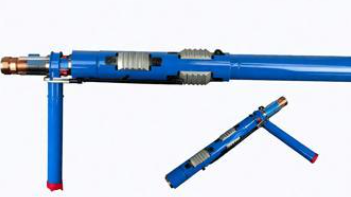
Adaptability Evaluation of Shell Scrapers
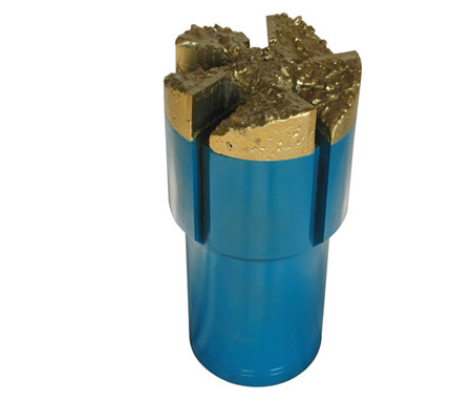
Ability to work with different wellbore materials: The material and structure of the wellbore determine the selection and usage of cleaning tools. Shell scrapers are typically made of high-strength metal materials, capable of handling mud, deposits, and light sediment layers on the wellbore.
In metal or concrete wellbores, the scraper’s hardness and cutting angle effectively increase the cleaning depth; in more fragile or loose wellbores, the scraping force can be adjusted appropriately to complete the cleaning without damaging the wellbore structure. This versatility is a key reason for its frequent use.
Operational flexibility in confined spaces: Wellbore spaces are often limited, requiring cleaning tools with excellent flexibility. The shell scraper, with its moderate size and simple structure, facilitates fine cleaning in confined downhole environments.
Its high controllability allows for spot treatment of the well wall as well as large-area scraping, meeting diverse wellbore cleaning needs and ensuring the wellbore meets the standards for subsequent drilling or inspection.
Actual Cleaning Effect of the Shell Scraper
Cleaning Depth and Residue Removal:The shell scraper’s outstanding advantage in wellbore cleaning lies in its strong scraping ability, effectively removing mud adhesion, residue buildup, and mild corrosion layers from the wellbore. By controlling the appropriate scraping angle and force, the cleanliness of the wellbore surface can be significantly improved.
In many practical applications, the shell scraper typically improves the wellbore cleanliness to a level suitable for continued construction, laying the foundation for casing installation, instrument placement, and grouting.
Cleaning Efficiency and its Impact on Construction Process: Due to its simple structure and rapid operation, the shell scraper excels in well wall cleaning efficiency. Compared to mechanical rotary brushes or complex cleaning equipment, the scraper can complete initial cleaning tasks faster, reducing drilling downtime.
In continuous operations, the shell scraper can significantly shorten well wall treatment time, making the overall project cycle more compact and thus improving the overall efficiency of downhole operations.
Stability and Safety During Shell Scraper Cleaning
Tool Stability and Well Wall Protection: The shell scraper offers strong manual control, allowing for effective control of scraping force, thereby reducing the risk of damage to the well wall structure. For older wells or wells with structural vulnerabilities, the gentle cleaning method of the scraper is safer than powerful mechanical equipment.
Operators only need to adjust the scraping direction and force according to the well wall condition to maximize well wall protection while ensuring cleaning effectiveness.
Operational Safety During Construction: The shell scraper does not generate strong vibrations or high-speed rotation during use, therefore the tool itself has high safety.
By strictly adhering to operating procedures, wearing protective equipment, and maintaining a clean wellhead environment during downhole operations, safety hazards such as slippage, scratches, or accidental collisions can be effectively avoided, ensuring the safety of personnel during the cleaning process.
Conclusion
Through a comprehensive evaluation of the adaptability, actual cleaning effect, and operational safety of the shell scraper, it is evident that it has high application value in well wall cleaning. Whether in improving well wall cleanliness, optimizing construction processes, or in terms of safety and controllability, the shell scraper demonstrates excellent performance. For units requiring well wall maintenance or drilling preparation, the proper use of the shell scraper can effectively improve project quality and create a more stable and efficient environment for subsequent operations.