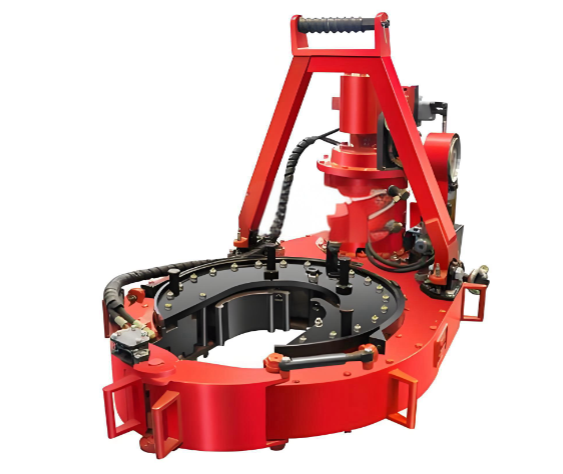
In drilling, completion, and workover operations, wellhead tools endure continuous high pressure, impact, friction, and corrosion. If they are not replaced within a reasonable cycle, issues such as leakage, loosening, seizure, or even severe safety accidents may occur. Many companies focus only on daily maintenance but overlook lifespan evaluation, resulting in tools being used beyond their service life and experiencing a decline in performance. So, how do you determine the replacement cycle of wellhead tools? What warning signs indicate that immediate replacement is required? This article summarizes professional recommendations to help field operators quickly identify when a tool has reached its replacement period.

Evaluate Based on Working Environment and Usage Frequency
The replacement cycle of wellhead tools is not fixed; it varies according to the working environment. High-temperature, high-pressure, or corrosive environments significantly shorten tool lifespan. For example, tools used in sour gas wells, deep wells, or high-pressure wells wear more quickly and must be replaced more frequently. Additionally, the higher the usage frequency, the faster metal fatigue accumulates. High-use tools such as slips, elevators, and wrenches require more frequent inspection and earlier replacement to avoid unexpected failures.
Assess Wear, Cracks, and Deformation
Visual inspection is the most direct method to judge whether tools need replacement. Severe wear on slip teeth, cracks in joints, deformed threads, and fatigue marks on welds all indicate that tool strength has declined and that the tool is no longer suitable for wellhead operations. The professional recommendation is clear: any tool showing cracks or structural damage must be scrapped immediately, regardless of how small the defect appears. Light wear may still allow continued use, but operators must rely on accurate inspection logs and consider operational demands.
Evaluate Based on Load Capacity and Pressure Records
Long-term load exposure causes gradual fatigue damage in wellhead tools, especially those used in high-pressure well sections, such as elevators, slips, and flange tools. Their load-bearing capacity must remain within safe limits. Companies can conduct regular stress or load tests to assess the actual carrying capacity of each tool. If results fall below the factory standard, the tool must be replaced early—even if it appears undamaged—to prevent failure during heavy-load operations.
Follow Manufacturer Manuals and Industry Standards
Replacement cycles vary because tool materials, structural designs, and manufacturing processes differ. It is essential to follow the lifespan limits specified in manufacturer manuals. For example, some slips require replacement after a certain number of operational cycles, while certain sealing tools have a strict service time limit. Industry standards such as API also specify mandatory inspection and scrapping requirements for key wellhead tools. Companies should incorporate these standards into their internal replacement cycle schedules.
Use Digital Management to Improve Accuracy
Many companies now use electronic tool registries, QR-code scanning, and digital tracking systems to record tool usage, pressure conditions, and maintenance history. These systems can automatically remind operators when a tool is approaching its replacement cycle, making the process more scientific and reducing reliance on subjective judgment. Digital records also help track abnormal tool conditions and prevent over-service, improving overall wellhead safety.
Establish Cross-Department Evaluation Mechanisms
The replacement cycle of wellhead tools should not be determined solely by maintenance personnel. It should involve joint evaluation by production, safety, and equipment management departments. By analyzing operational data, inspection reports, incident records, and load-bearing requirements, companies can establish more precise replacement cycles. Critical tools—such as slips, elevators, and safety-valve operation tools—should be included in a priority management list to ensure stricter control.
Conclusion
Accurately determining the replacement cycle of wellhead tools requires a combination of environmental assessment, wear evaluation, load testing, industry standards, and digital data. By establishing a structured evaluation and replacement process, companies can reduce tool-related risks, improve operational efficiency, and lower maintenance costs. A well-designed replacement cycle is essential for ensuring wellhead safety in every oilfield operation.