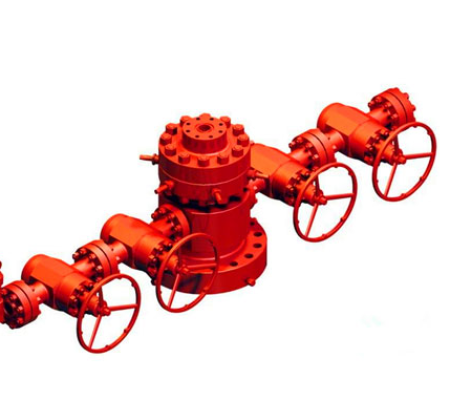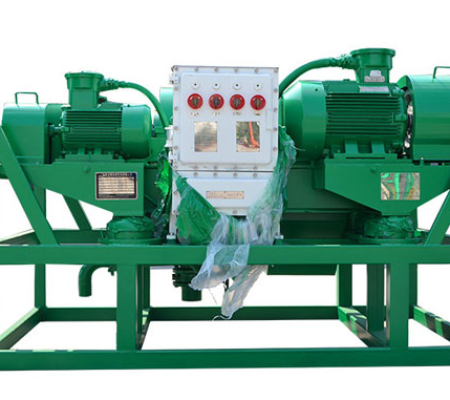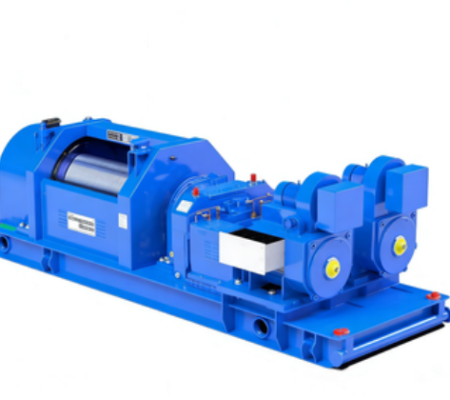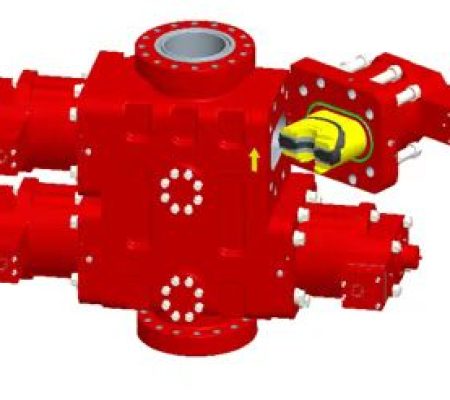
In oil and gas well operations, wellhead tools are core equipment that ensure safety and operational efficiency. Different countries and regions have varying standards for the design, manufacturing, and testing of wellhead tools. Among these, the American Petroleum Institute (API) standards are the most representative internationally, while domestic companies typically follow Chinese petroleum industry standards or relevant national regulations. Understanding the differences between API and domestic standards helps companies improve safety and compliance in procurement, usage, and export of wellhead tools.

Differences in Design Requirements
API standards have strict design requirements for wellhead tools, such as casing heads, wellhead valves, and slips, specifying pressure ratings, dimensional tolerances, and material strength. API emphasizes reliability under high-pressure and high-temperature conditions and ensures compatibility across products from different manufacturers through standardized testing methods.
In contrast, domestic standards may have slightly lower requirements for certain design parameters, focusing more on conventional domestic operating conditions. For example, domestic standards may not be as stringent as API regarding pressure ratings for ultra-deep or high-pressure wells. This difference must be carefully considered in cross-border projects or equipment exports.
Differences in Material and Manufacturing Standards
Material selection and manufacturing processes are key to wellhead tool performance. API standards define steel grades, heat treatment processes, and welding quality, along with strict chemical composition and mechanical property testing. Domestic standards also regulate materials, but differences may exist in testing methods, sampling frequency, and the use of high-end alloys.
For instance, API specifies requirements for low-temperature toughness and high-temperature creep resistance, whereas domestic standards may only cover room-temperature performance. Therefore, tools designed according to API standards tend to be more reliable under extreme conditions.
Differences in Testing and Certification
API standards not only set design and manufacturing requirements but also specify standardized testing and certification processes, including pressure testing, sealing performance, and fatigue life testing, ensuring tool safety in field operations. Domestic standards may cover similar testing items, but execution rigor and testing frequency may differ.
For international projects, API certification is generally required, while domestic certificates have limited recognition abroad. Companies may need additional testing and certification to comply with API standards.
Applicability and International Compatibility
API standards are widely adopted in the global oil and gas industry, giving wellhead tools high international compatibility. Domestic standards are more suited to conventional operations within China, with limited international applicability. For companies involved in exports or overseas projects, understanding the differences between API and domestic standards and selecting appropriate certifications helps reduce technical and regulatory risks.
Overall, API standards are more stringent in design, materials, testing, and international compatibility, while domestic standards are tailored to local operational realities. When procuring or using wellhead tools, companies should consider operational conditions, pressure ratings, and international project requirements, and may combine the strengths of both standards for design and certification. By understanding the differences between API and domestic standards, the oil and gas industry can enhance operational safety, efficiency, and global competitiveness.