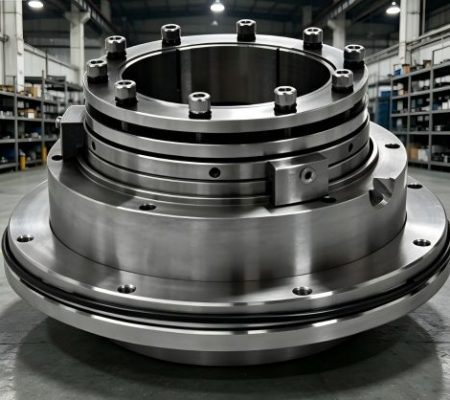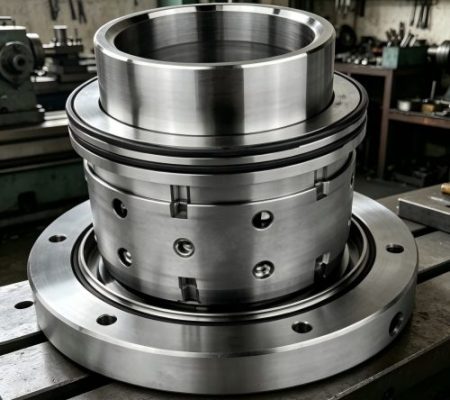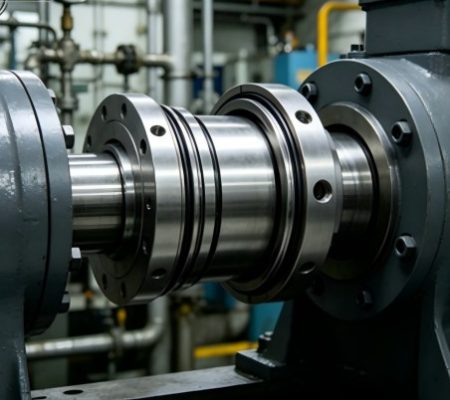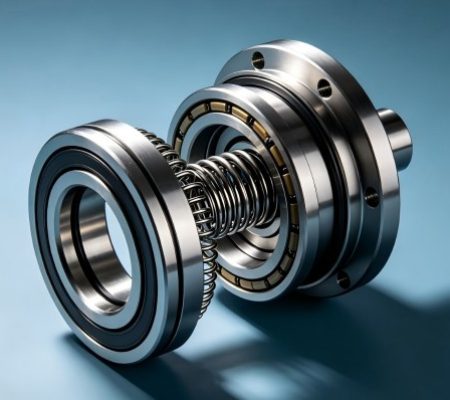
In the intricate system of oil well operations, clamps, though serving as fundamental tools, play a critically important core role. They are like the “steady hands” in oil well operations, primarily undertaking the crucial tasks of clamping, fixing, and assisting in controlling oil pipes and downhole tools. They are indispensable for ensuring the smooth progress of various operation scenarios and the stable operation of equipment. Let’s now delve into and analyze their charm.
Clamping Jaws: Outstanding Functional Guardians of Operations
The clamping jaws are the core functional components of clamps, possessing powerful and diverse functions and effects. They firmly grip oil pipes, drill pipes, and related tools through the strong force of mechanical clamping or the clever application of friction, acting like solid shackles to effectively prevent unexpected slippage or loss of control during operations. In critical operation links such as oil pipe string installation, reverse clamping, butting-up, and temporary positioning, clamps can reasonably distribute manual loads, greatly enhancing the stability and reliability of operations. For downhole operators, clamps are not just ordinary operation tools but also an important safety barrier for protecting their lives.
Structure and Applicability: A Solid Construction Adaptable to Diversity
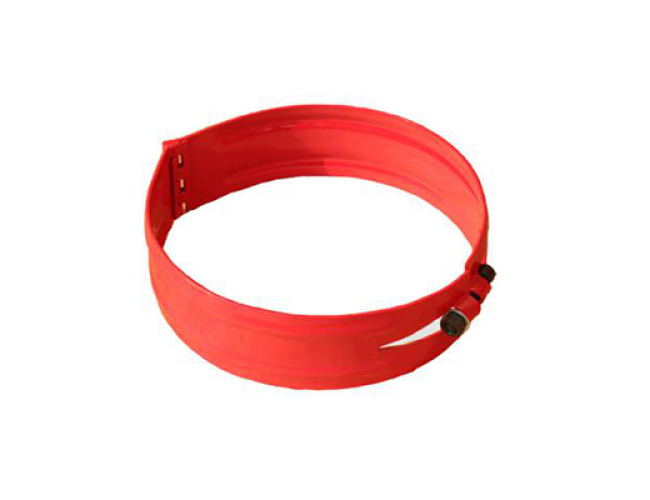
Oil well clamps are usually meticulously forged from high-strength alloy steel. This material endows them with excellent wear resistance and strong load-bearing capacity, enabling them to calmly cope with various challenges in high-intensity and high-frequency operation environments. The diverse clamp designs on the market can flexibly adapt to different pipe diameters. Whether it’s routine operations in conventional oil wells, complex operations during well workover, or special requirements under various complex well conditions, they can all be perfectly adapted. Moreover, their structural design is simple and reasonable, with high reliability, facilitating quick installation and use at operation sites, significantly shortening waiting times and improving operation efficiency.
Key Usage Points: The Key to Ensuring Safety and Efficiency
In actual operations, the correct use of clamps is of utmost importance. Downhole operators must carefully select appropriate clamp models based on the specifications of the oil pipe string to avoid tool looseness due to insufficient clamping force or equipment damage due to excessive clamping force. Before operations, it is essential to carefully inspect the wear condition and locking status of the clamps to ensure they are in the best working condition. During operations, the clamping force should be kept uniform and stable, and the clamps should be used in coordination with other tools. Only by using clamps correctly can their advantages be fully leveraged, effectively improving downhole operation efficiency, and minimizing safety risks to the greatest extent.